Words / Bri Ng Schwartz
Photos / Lauren Nakao Winn
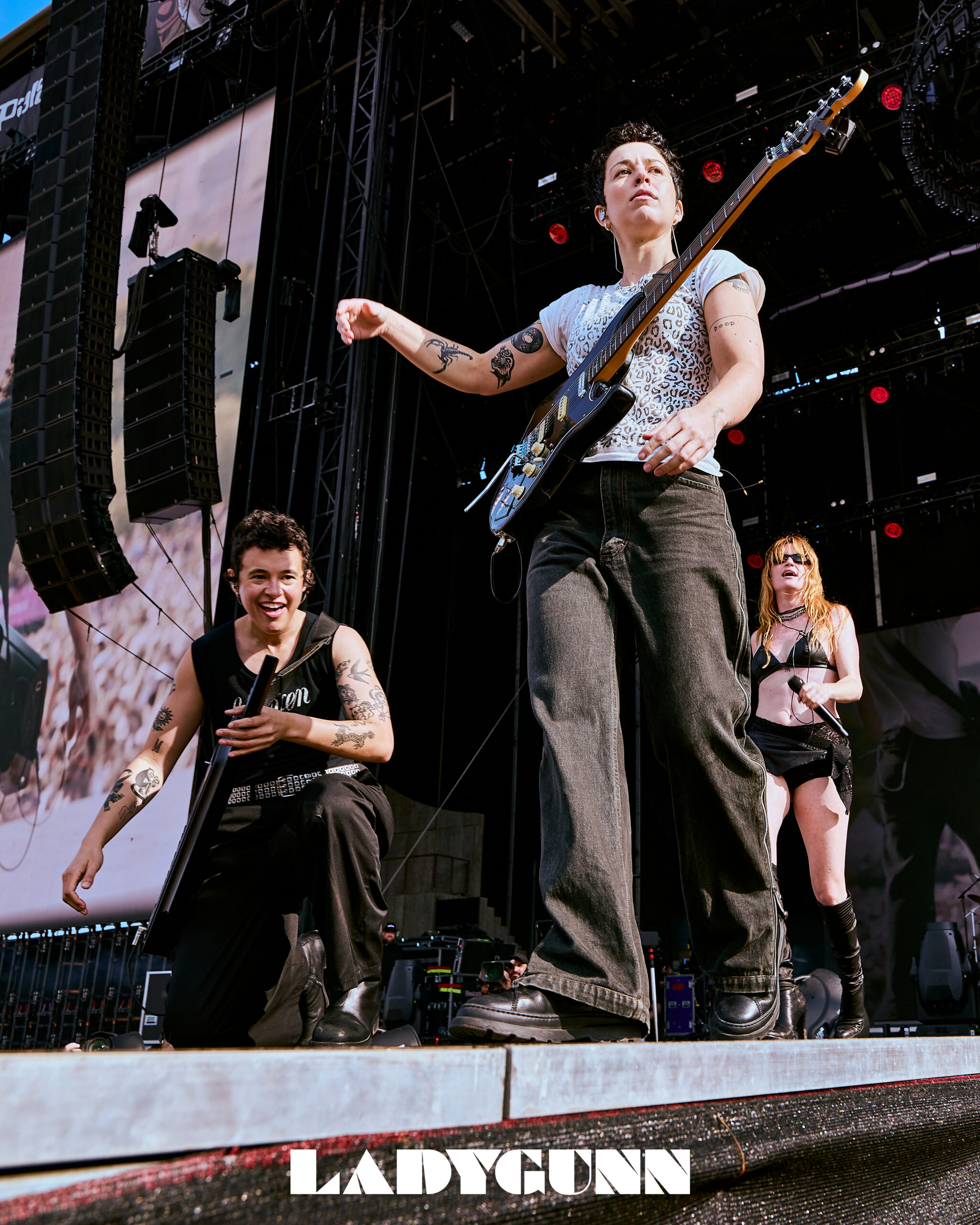
Hearing the lyrics “I think we should go get drunk on cheap wine. I think we should hop on the purple line” from MUNA’s early hit “I Know A Place” resonated so much deeper hearing it live in Chicago during Lollapalooza. Their set, known amongst MUNA Nation as Lesbopalooza this past weekend, was met with much-needed sunshine after the rainy weekend. Their fanbase made the most of the conditions, one of whom organized a lesbian mud wrestling competition the night prior. The set featured both new songs from their long-awaited fourth album, Dancing On The Wall, along with beloved favorites.
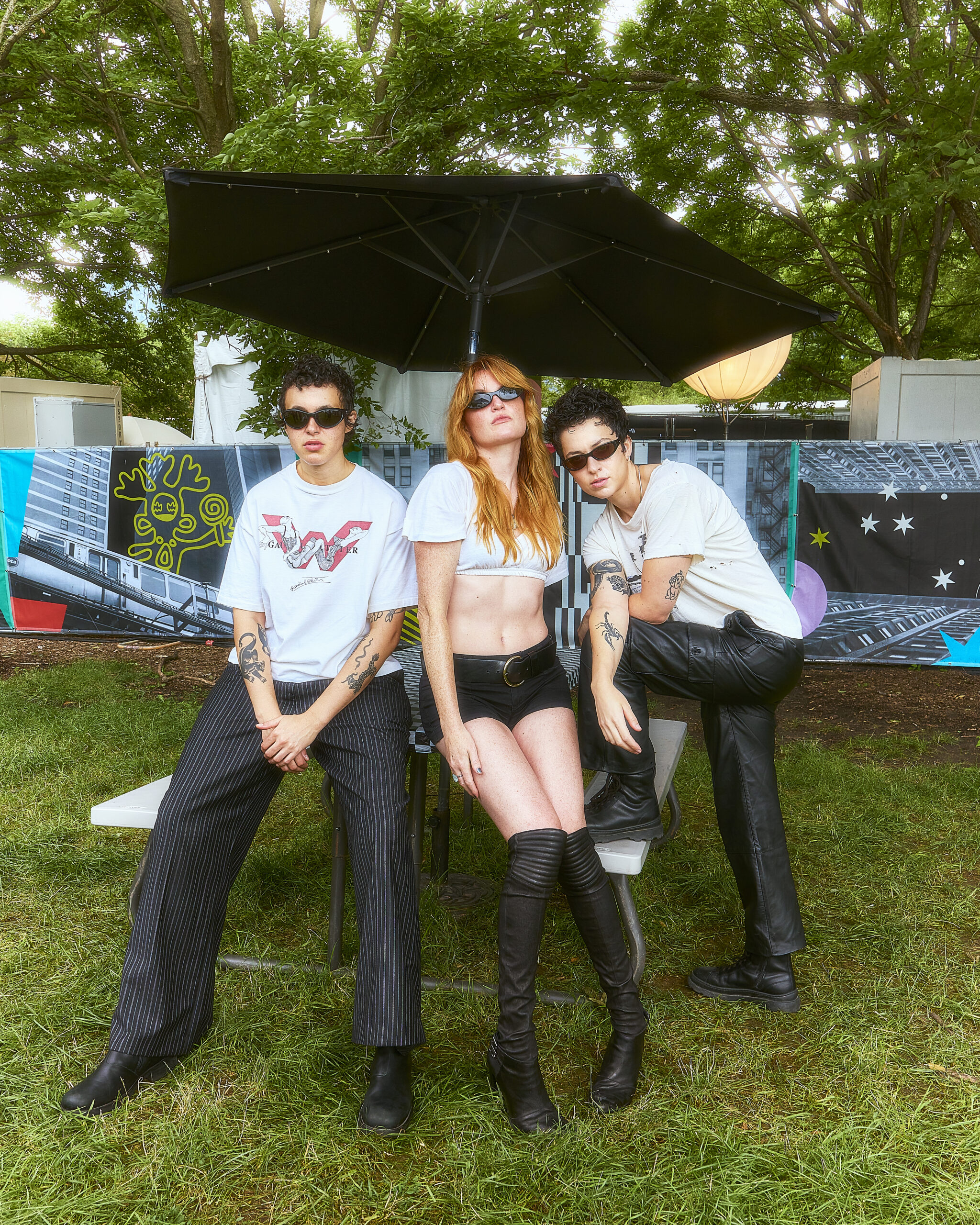
Four years since their self-titled album release, the latest marks a new sonic and visual era for the trio, decked out in flashes of cherry red and black leather galore. With sex appeal turned up to full volume, Katie, Josette and Naomi have stapled themselves as sapphic stars here to stay. Songs including the title track and tribute to LA’s “Eastside Girls” have given Summer anthems to old and new fans alike. Naomi shares, “We had so much fun making this album, and I hope that that is something that can be perceived through the music. We love the record, we love the songs on it, and we’re gonna love playing them.” Katie adds, “This record is very heart-centered and feels really good to play. All the songs are really emotional, so it feels very cathartic, which has always been a part of our projects. I think we really were thinking about the live show when we wrote this record.”
Thirteen years into their time as a band, the collaboration between the three is stronger than ever. Their creative partnership spans discipline, between music releases their podcast Gayotic with MUNA (currently on hiatus). When asked how the development of this album taught them even more about their collaboration, they affirm the positive space they have created between one another. “We learned that we can like when you have such a strong foundation, you can go really far in collaboration because you can be honest with each other.” Katie shares, “I think that leads to the best work.”
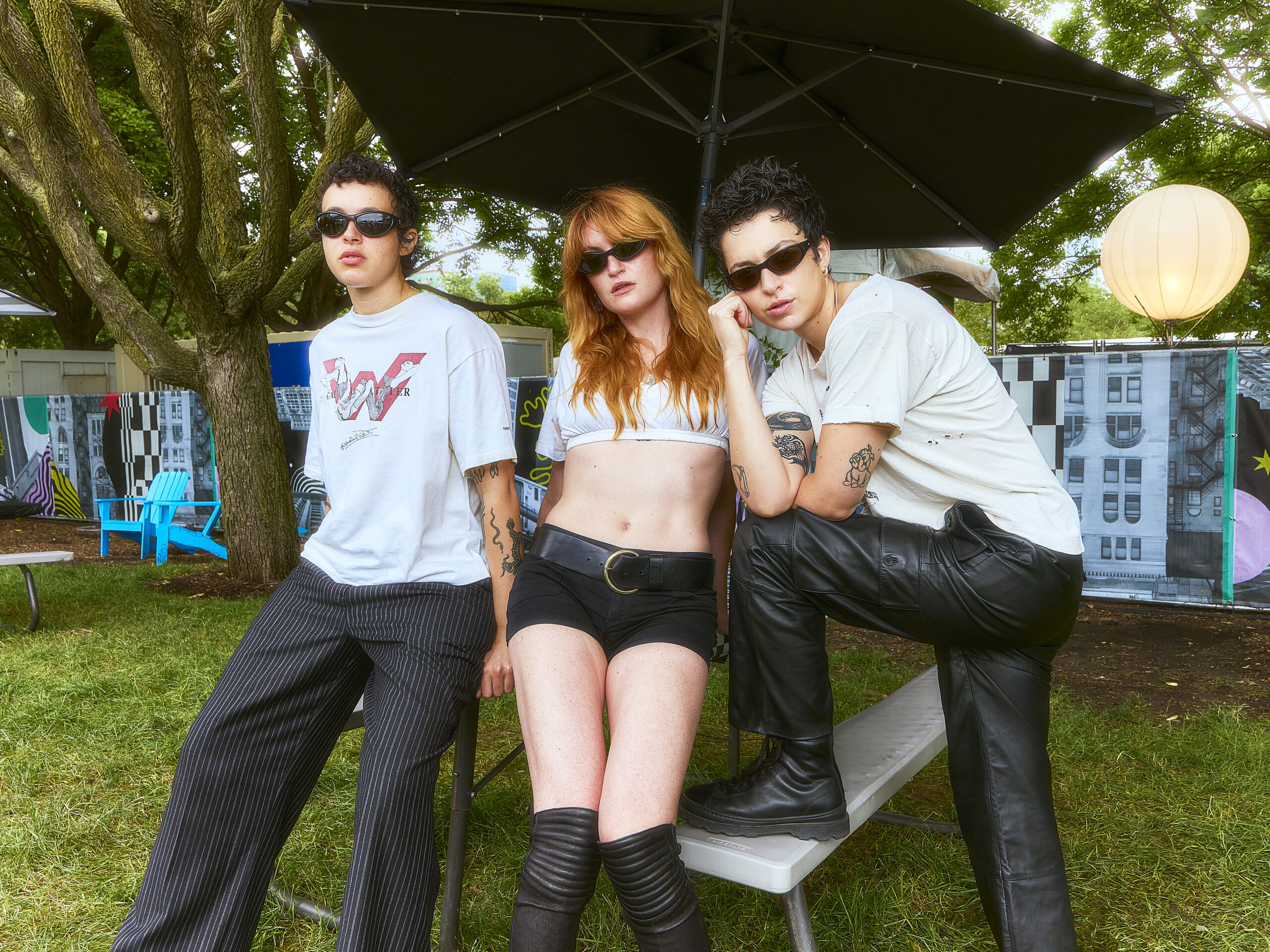
Sunday’s performance was their third time performing at the festival and their biggest crowd yet for this album cycle. They made their Lollapalooza debut in 2016 where they were assigned one of the bright and early 11:00am sets. The group credits this early milestone in their career as a key role in their journey, and notes the importance of festivals like Lollapalooza for rising artist development. “It’s like bootcamp,” Josette admits, with Katie and Naomi in agreement. “I love it in a way though,” they continue, “because it reminds that situations like this can be very humbling. It gets us back to the root of how we open for so many people, and in that position, we need to make you [the crowd] care.” Josette chimes in with a message for fans: “Go early to the festival. See people early, because you never know.”
MUNA’s rise has been steady since 2016. Having formed the band in college before internet virality played such a strong role in the industry, each album and release was a building block that formed the massive force that MUNA has become today. While social media didn’t inform their start, it certainly has played a role in their mass appeal in recent years. “Silk Chiffon” from their 2023 self-titled album gained momentum online, with multiple guest appearances from Phoebe Bridgers in live performances. Bridgers also features on the recorded track, and is the owner of their label Saddest Factory Records, which lives in partnership with Dead Oceans. The success of lesbian and Queer artists like MUNA along with boygenius and Chappell Roan have skyrocketed in recent years and have served as a counterculture to the current US Administration that villainizes the LGBTQ+ community and those who are deemed different.
MUNA has not shied away from using their ever-growing platform to call out the monstrosities of 2026. They have been loud about their opposition of the current administration, and have uplifted activist and mutual aid efforts toward Palestinian families currently living in the war-zone. Their direct naming of genocide not a practice that is popular amongst artists of today in fear of industry retaliation, but this has not stopped MUNA from spreading awareness and provide resources to families oversees. Their set even included a moment of call out for these causes.
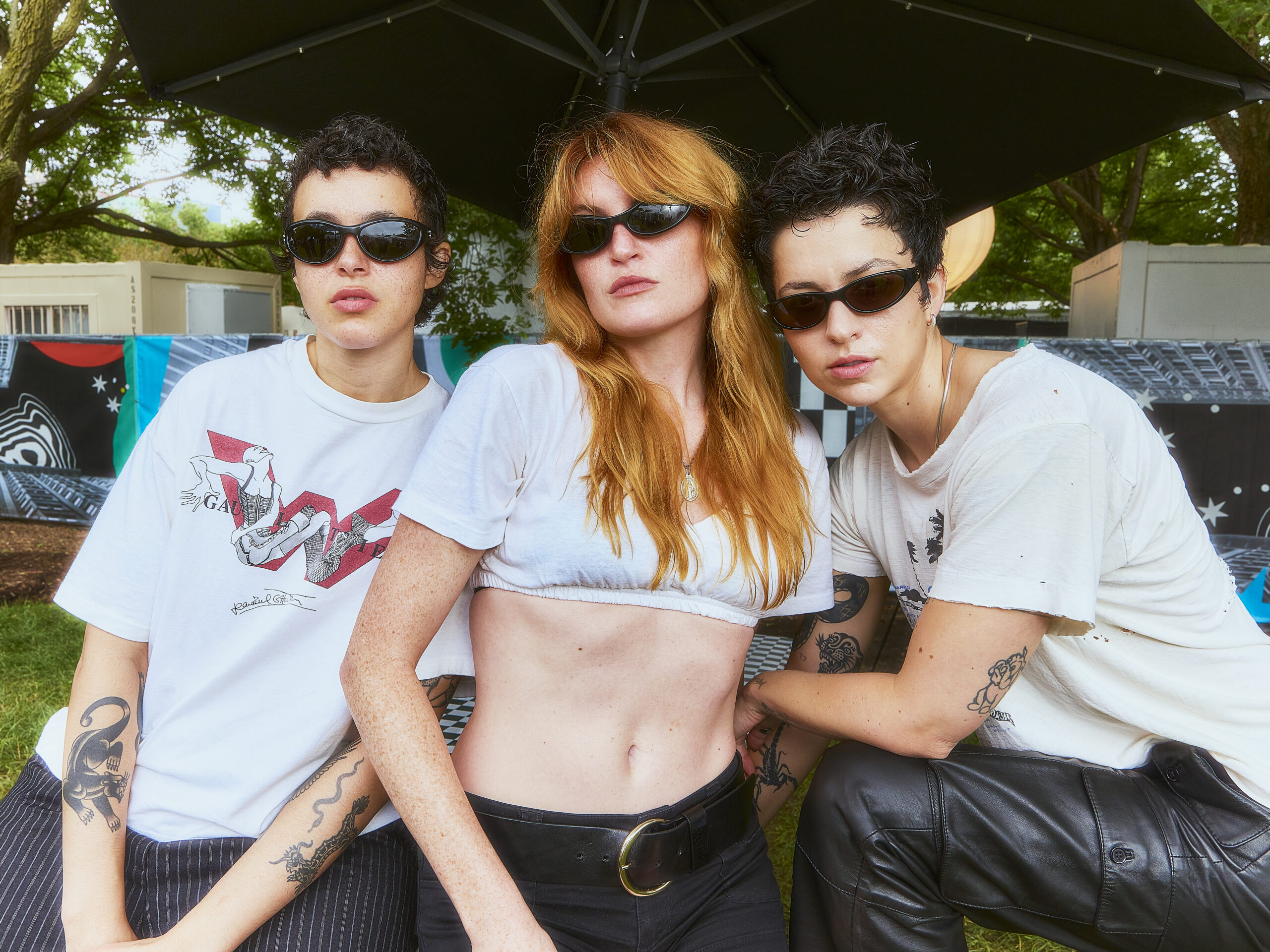
“We feel a sense of obligation to use our platform to support activists and do our best to elevate people who are on the ground doing the hard work.” Naomi shares on MUNA’s advocacy work. Katie adds, “Artists are people too, and part of what has made me an artist is feeling connection with people who I haven’t necessarily met. I feel a connection with people who are suffering across the globe. It weighs on you.” When asked what message they have for artists who are still hesitant to speak up on injustice due to fear of consequence from the powers that be, the band agrees that there is strength in numbers. Katie even offers herself as a sounding board for these artists in question. “Reach out to me. If you want to talk privately about what your reasons are for not speaking up about a genocide, I want to listen. Let’s figure something out.”
MUNA has certainly come a long way in more ways than one from their 2016 Lollapalooza set and our first interview and photoshoot with them of the same year. With no plans of slowing down any time soon, the group is in for a packed Fall with performances at femme-forward All Things Go festival in both DC and New York along with their own headlining tour spanning both North America and Europe. While they may not have set out to do so, MUNA sets an example to their fanbase and industry peers as a whole. With their red hot album sure to cement itself as an infamous 2026 hit, MUNA continues to save the world one record at a time.