
Photos: Noe Cove
Story: Luna Bacce
New Jersey’s own Rakiyah is putting the finishing touches on one of the most ambitious conceptual arcs in modern alternative R&B. Her debut album, “My Collection of Boy Tears,” marks the triumphant conclusion to her Cosmic Love Odyssey trilogy.
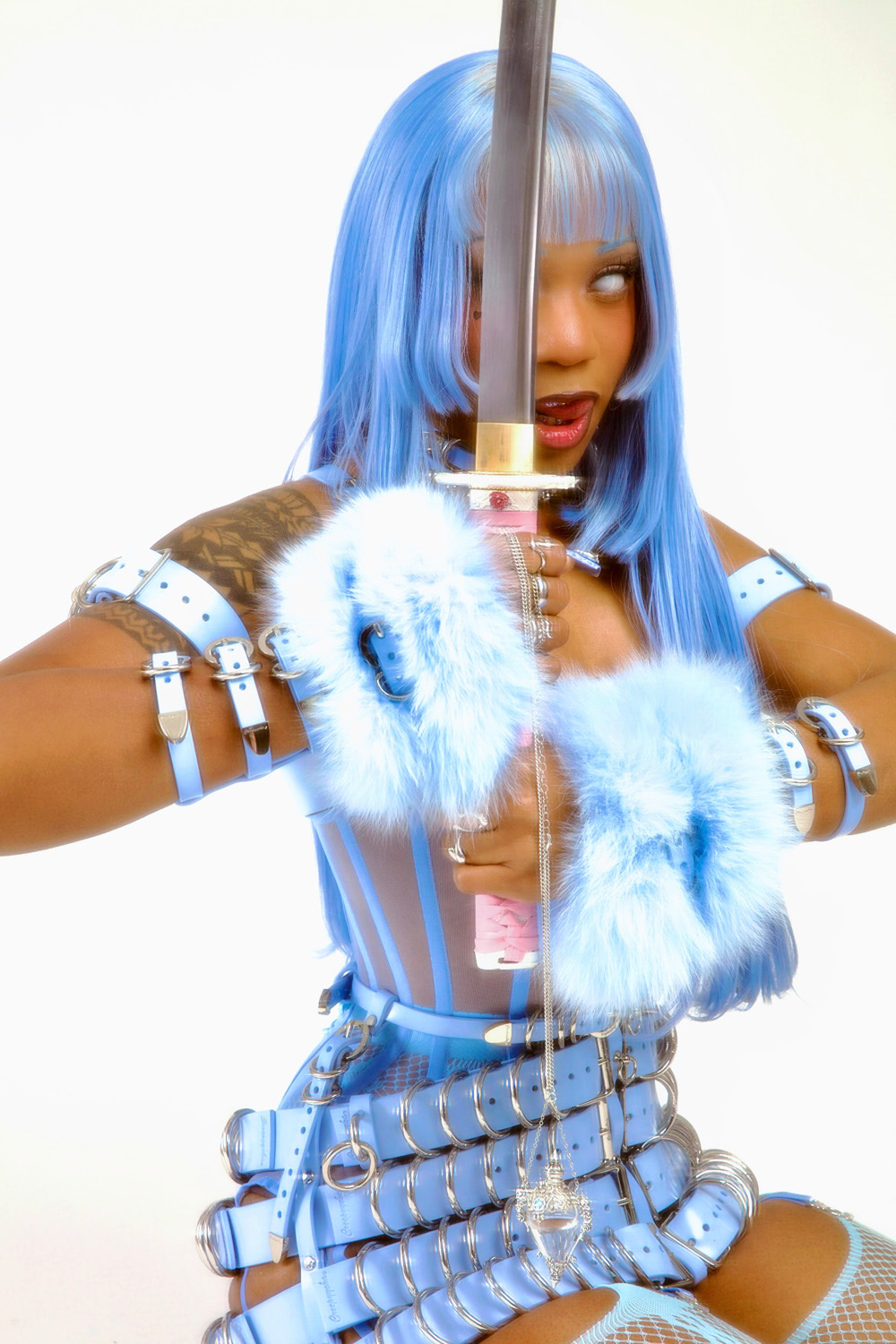
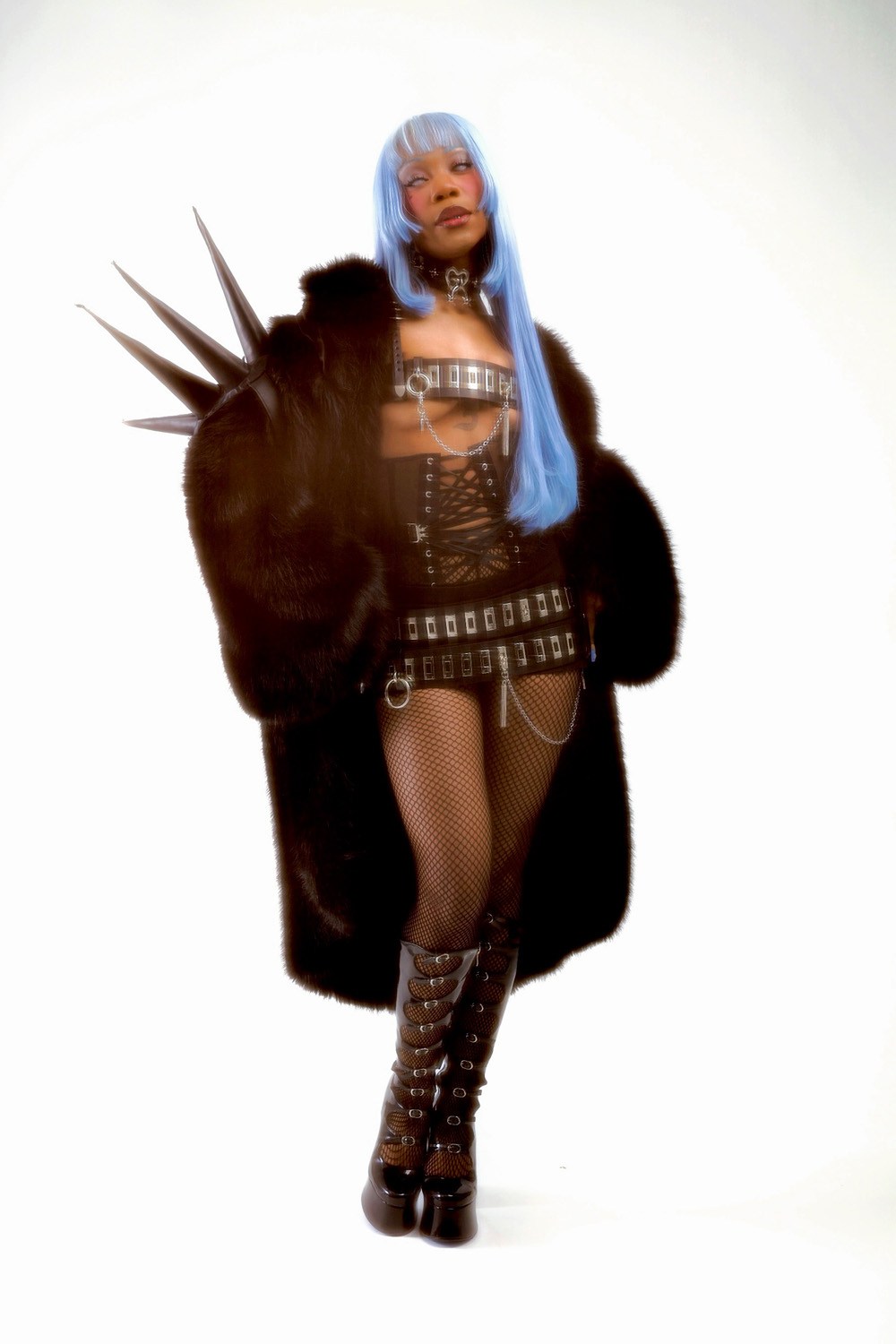
The former aerospace engineer has spent years constructing a sprawling sci-fi lore around her alter ego, the Cosmic Queen. Across this final chapter, ambient production meets anime aesthetics and bilingual English-Korean songwriting to turn heartbreak into raw power.
The project transforms pain into tangible currency as the Cosmic Queen rises from a brutal fall through the cosmos. Rakiyah explores themes of revenge, healing, and self-reclamation, drawing inspiration from martial arts training and the revenge-driven storytelling of Kill Bill.
Live rock performances of “Ready or Not” already generated over 11 million Instagram views, highlighting the growing attention around Rakiyah’s genre-blending approach that merges alternative R&B, rock influences, and cinematic storytelling.
The Cosmic Queen may exist within a universe of revenge, power, and celestial mythology, but her story begins with something far more human. As “My Collection of Boy Tears” brings the Cosmic Love Odyssey trilogy to its conclusion, Rakiyah takes us through the heartbreak, creativity, and personal evolution that shaped this final chapter.
“My Collection of Boy Tears” turns tears into something almost tangible, serving as memory, currency, and power within the Cosmic Queen’s journey. When did that idea first become the emotional core of the story?
Over the three years of writing and creating this album, I went through stages where I would cry as I was recounting memories, re-feeling intense emotions, and closing certain chapters in my life. I realized throughout this incredibly vulnerable process that my tears and their purpose were changing. I could feel a release as I wrote these songs through the tears, and that became a source of power. That realization motivated me to use tears as a source of power for the Cosmic Queen, for her to extract them from her victims in her villain arc, but in their purest form they became healing.
As the final chapter of the Cosmic Love Odyssey trilogy, “My Collection of Boy Tears” also marks your debut album. Looking back, how has your relationship with the Cosmic Queen evolved since you first met her, and what has she taught you about yourself as both an artist and a woman?
When I first started the Cosmic Love Odyssey, I thought of the Cosmic Queen as just a character and as an alter ego. At first, I looked at her as someone I admired and aspired to be, an ethereal being who could do things I couldn’t do. However, throughout the personal journey and experiences that I share in this album, I acquired this gift of confidence from the Cosmic Queen, and our identities began to merge. The powers you see the Cosmic Queen develop through this last chapter—the sword martial arts, for example—required me to go out and learn and train to acquire that skill. Embodying her empowered me. I learned from her, then I evolved into her, and in that evolution I also found forgiveness. I was able to forgive myself for the mistakes I made, my naivete, and my anger. This forgiveness grants me grace not just in how I experience love but also in this very challenging pursuit of my music career. The Cosmic Queen gave me the confidence to trust my heart and my art.
Throughout the album, the Cosmic Queen refuses to remain a victim of betrayal. Was it important for you to create a female character whose response is transformation rather than resignation?
Yes! I’m not someone who gives up. I face the thoughts, the doubts, and the fears, but it’s not in my programming to quit. I seek solutions, so in this universe I thought it was very important to create a character that emulates that same refusal to admit defeat. We need more heroines, especially in such a familiar battle. Rather than resign, it was just time to evolve.
While “My Collection of Boy Tears” exists within the Cosmic Queen’s fictional universe, how much of her journey reflects your own experiences of growth, healing, and self-discovery?
Honestly, all of it. I mirrored some of my real-life experience through the Cosmic Queen’s journey in this universe throughout this album.
Your artistic world blends alt-R&B, anime aesthetics, sci-fi mythology, and multilingual songwriting in a way that feels seamless. How did you develop that creative approach?
I take pride in being very authentic. My self-expression, what comes out when I’m creating art, just comes naturally. I spent years in South Korea after teaching myself the Korean language, so that gets sometimes integrated into my lyrics. I love anime, sci-fi, and all things alternative, so that shows up in my aesthetic and world-building.
Speaking to the references behind the album, what artists, anime, books, or films would you recommend as companion pieces for listeners who want to better understand “My Collection of Boy Tears”?
I would recommend the movie Kill Bill because of the inspiration for the revenge plotline in this album. There are also parallels between the Cosmic Queen and Harley Quinn’s character development. I created the Cosmic Queen from the archetype of the femme fatale who turned heartbreak, chaos, and emotional pain into her own source of power.
Before becoming a full-time artist, you trained as an aerospace engineer. What elements of that mindset, whether it’s problem-solving, curiosity, or world-building, still appear in your creative process today?
The analytical, problem-solving, data-driven mindset from my science and engineering background is still very present as I pursue business as a creative. I still use arithmetic in budgeting for all of these creative projects. Making strategic decisions about what to do with my art requires analysis of the data I receive from my fans. As a creative, I still find myself experimenting through my music creation process. I may even subconsciously approach creation as an equation, which could sometimes be to my detriment. There’s not always an answer or even a result on the other side of creative expression. So I have to make sure to extract that aspect of myself sometimes if I find it stunting my creativity.
The use of both English and Korean adds another layer to the worlds you create. How do you approach choosing the language that carries each emotion or part of a story?
English and Korean phonetics are so drastically different. I lean more into my interest in how the sound complements the production. My cadence that I choose in Korean merges with my own specific style of singing to create a special sonic experience. I currently seldom sing in Korean, but when I do, it’s to pay homage to the transformative experience I had and as an artistic challenge.
Now that this entire trilogy is complete, what do you want listeners to feel when they play the project all the way through for the very first time?
I want them to escape into my universe and understand what the Cosmic Queen experienced that took her down this path. I also want them to feel joy and hope from the growth and healing that occurs at the end of the project.
Now that this chapter of the Cosmic Queen’s story has been completed, what are some of the goals, ideas, or creative worlds you hope to bring to life in the next phase of your career?
Now that this chapter is over, my intent is to live in this era. I want the world to have time to process and experience such an in-depth body of work. I think while that’s happening, I need to just live in order to draw inspiration for the next universe and journey for the Cosmic Queen. I do intend at some point to create another alternative R&B/dark pop project, as well as give the world the alternative rock album they’ve been asking for. But for now, we are here in this era of “My Collection of Boy Tears” with this current iteration and evolution of the Cosmic Queen.
CONNECT WITH RAKIYAH
INSTAGRAM // TIKTOK