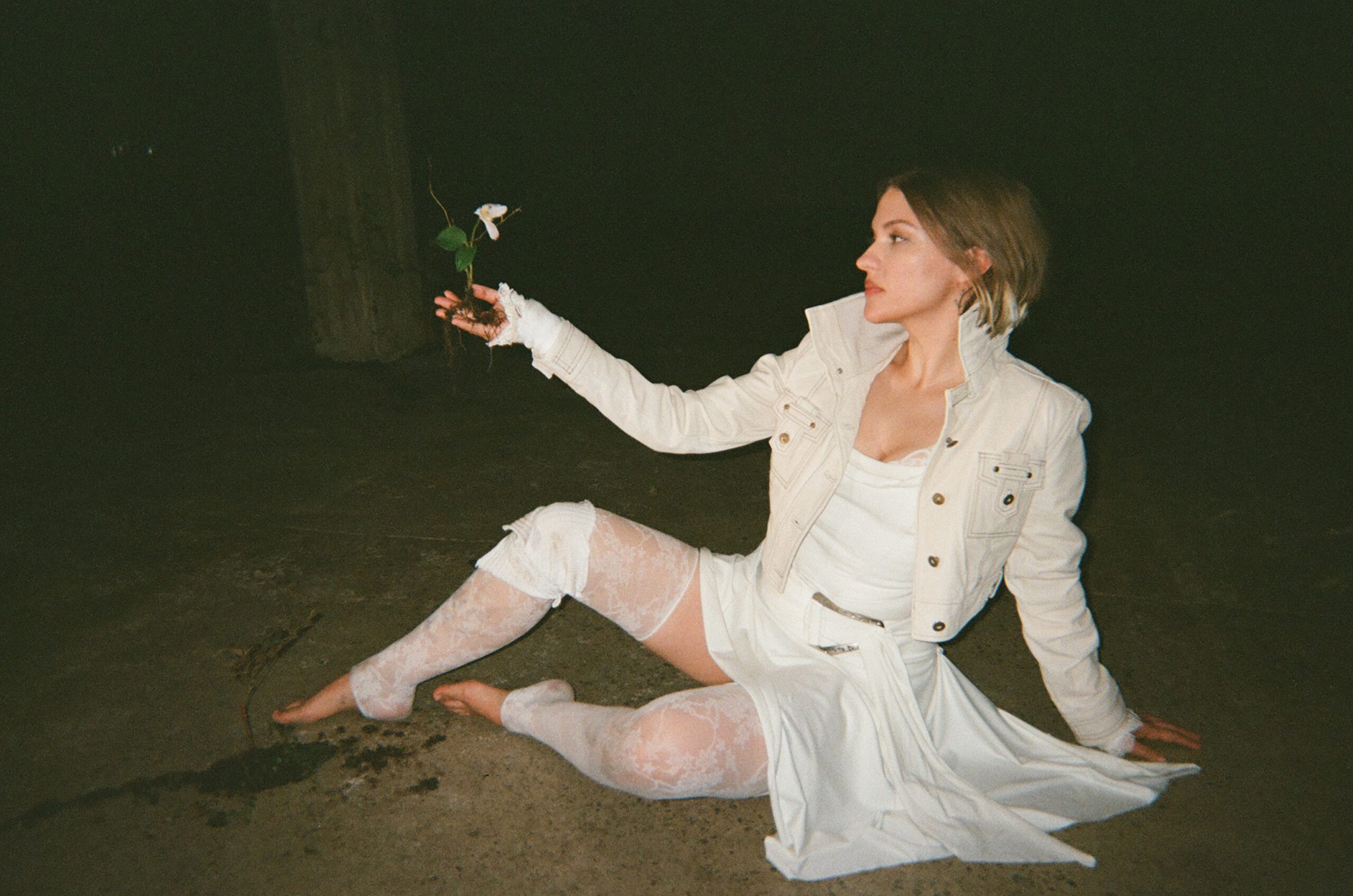
Words / Maddie Browning
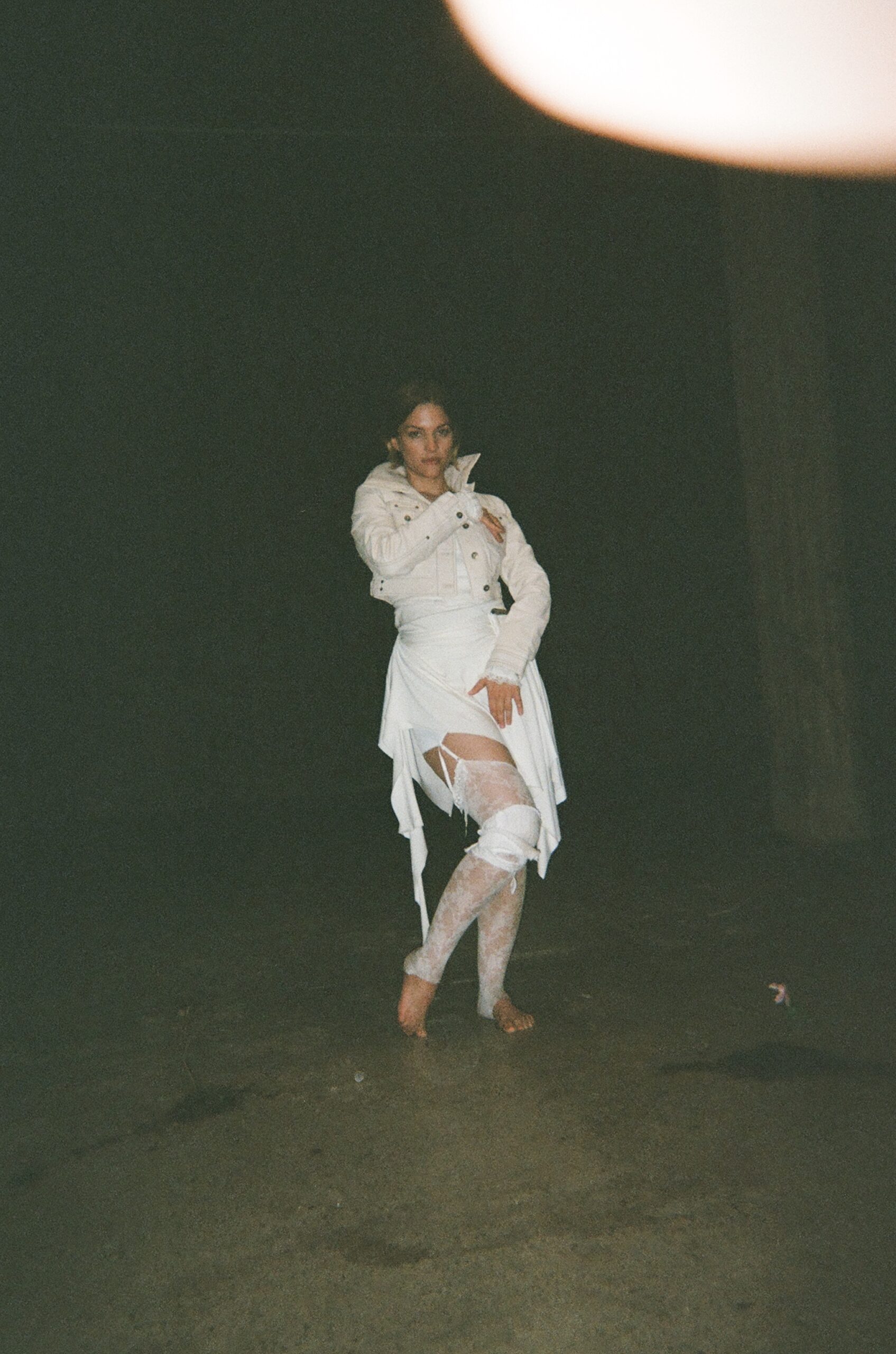
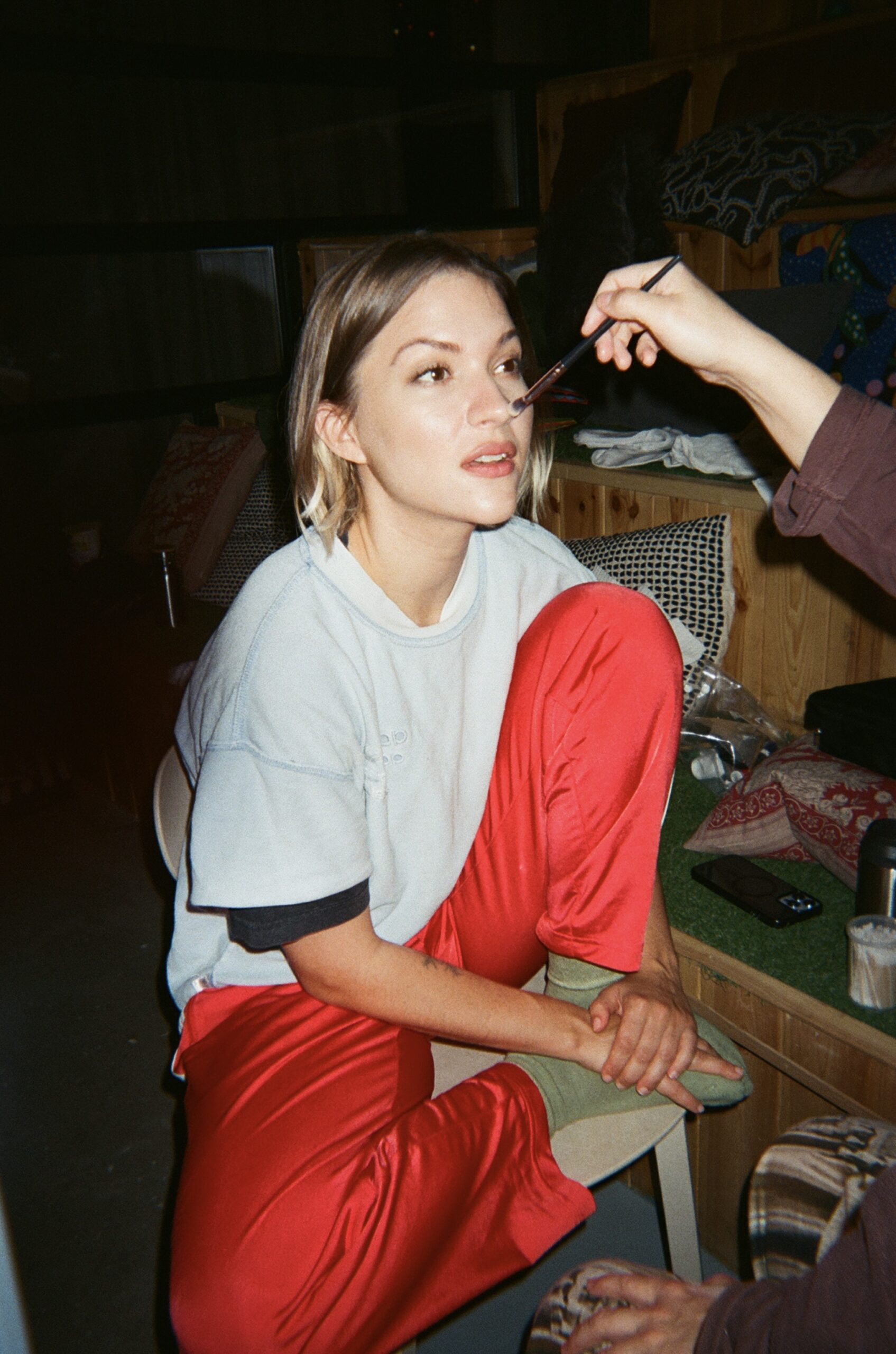
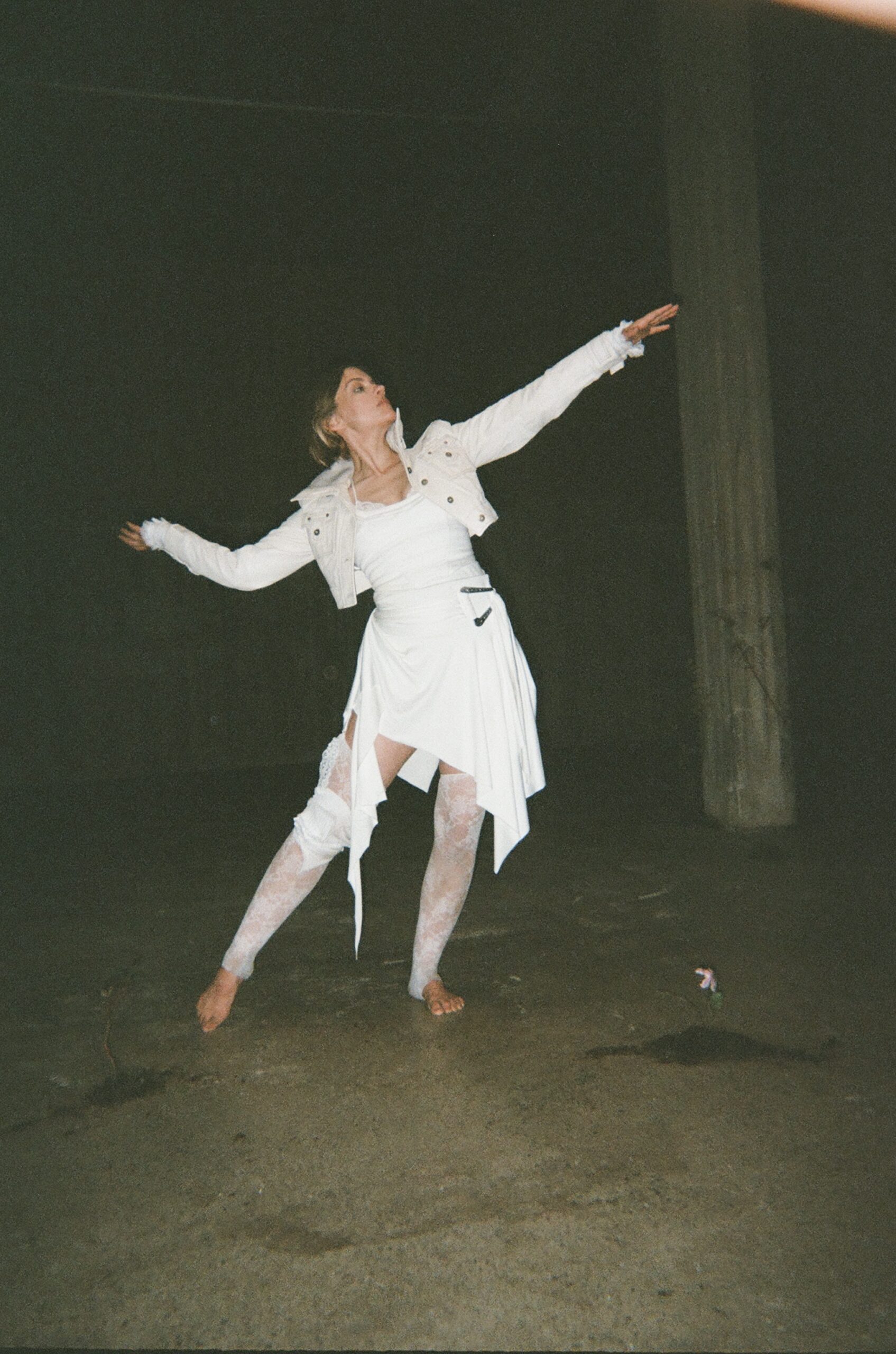
Photos courtesy of Tove Styrke
Tove Styrke currently lives under the golden rays of sunlight hitting her face on “Save me.” As she turns the corner to embark on a new day, infinite possibilities await her.
“ It’s your choice where to go from there, what should come about from this new day, this new world that we know nothing about yet,” she says.
“Save me” is the final track on her recently released fifth studio album “I thought this story wasn’t about me.” The project marks the Swedish electro-pop artist’s first record in four years.
Styrke sits against a blank wall in her new studio in Stockholm. She wears a charcoal baseball cap and light gray zip up with black headphones.
“ I actually recently got a work space, but it’s completely empty because I’ve had no time to get it in order, but it’s good to have a place to be when you have kids,” she says, giggling.
Over the past four years, Styrke embarked on many new endeavors. She performed in the premiere of David Bowie and Enda Walsh’s musical “Lazarus,” formed political rock band Året Var with Erixon, and began studying biodynamic farming — a holistic approach to agriculture that connects science with the interconnectivity of nature.
Styrke and her partner Sanna Sikborn Erixon also expanded their family with the arrival of a little girl in January 2024.
“ It made me more fearless as a person, as a creator, a creative person, as an artist,” she says of motherhood. “A lot of the noise disappears because all of the sudden you have something that is actually important in front of you. You have to be there.”
As a new mother, Styrke values time differently. She relishes in her precious hours spent with her daughter and love as well as creating music.
“ I run to the studio, and I do my work and, and I’m present. I’m there, and I’m really happy to do it, and then I run home to be with my family, and that’s also important — that’s also meaningful. I don’t understand what I used to do with all my time. I should’ve been able to make so many more albums before,” she adds with a laugh.
Her perspective as a mother seeped into the album without her even realizing. “Sunflower” describes the overwhelming pull of someone. Styrke lights up under the presence of a person who is absolutely everything to her.
She explains that the track poured out effortlessly. After listening, Erixon immediately recognized that it was a love letter to their daughter.
Over punchy synths, she sings, “I turn to you like a sunflower turns to the sun/No matter what you do/You’re my only one.”
In developing “I thought this story wasn’t about me,” Styrke let herself work intuitively. The meaning behind the tracks continue to reveal themselves to her as she ruminates on the project.
“ A lot of this album is just about how to live. The world is a strange and often cold place right now. It’s a scary place, and it’s easy to lose yourself in this feeling that it’s all pointless, that it’s meaningless,” she says. “But we all yearn for connection, we yearn for meaning.”
Styrke explained that the full album lives within a single sonic palette. She enjoyed the cohesion of working within one collection of instruments.
“ When you make music today, there are endless choices, endless possibilities, and I feel like by eliminating choice, you’re giving yourself more freedom,” she says. “Every sound was made on three or four synthesizers, and we had a live drum set in the studio that we used on some songs and an electric bass and a really shitty acoustic guitar that sounds perfect in this mix.”
She drew inspiration from the classic electronic stylings of Kluster, Kraftwerk, Laurie Anderson, and LCD Soundsystem. Styrke expressed her love for analog synths and referenced a quote from Jack Antonoff when he discussed Vince Clark’s use of synths during an interview for his May 2026 cover story with Paste.
Antonoff remarks, “He does the thing that means the most to me, which is he plays the machine with so much heart and soul that it actually feels more soulful because you hear a human being desperately trying to squeeze themselves through the machine.”
“ [Analog synths have] a warmth. [They have] so much texture, and you can really build your productions in very cinematic ways,” Styrke adds.
“I thought this story wasn’t about me” unfolds cinematically as listeners visualize their own films in their heads while they listen. Styrke initially envisioned a woman in an apartment. She can’t remember if there were people around her, but regardless, the woman felt lonely.
“ It’s funny, the things that just pop into your head from out of nowhere,” she says. “That first image was like the first puzzle piece, and then I kept going back to find more, and more, and more, and more until it was this whole movie.”
Originally titled “The Afterparty,” the project’s story unfolds during one night from sundown until dawn. Styrke welcomes listeners’ interpretations of the projection and adds that “the best stories leave room for the recipient to fill in the blanks themselves.”
“ I’ve been thinking so much about this collective feeling that we all seem to have, like we’re moving towards some kind of inevitable ending or rebirth, as if the best has already been. We’ve already peaked as a society, and now it’s only downhill onto something else, and we don’t know what,” she says. “And this long night with dawn as the threat at the end of the story that’s unavoidable, I thought that fit the same mood.”
The final title also refers to the fact that when Styrke began writing the songs, she thought they were about a character. As they revealed themselves to her, she realized they were fragments of her own life staring back at her.
“ It was all about my inner processes and me needing to confront myself. This whole album is like a big therapy session for me, and it’s part of a much bigger emotional journey that I am still on,” she explains.
As she continues to breakdown the project’s meaning, she currently sees the emotional through lines as finding self-acceptance, regarding yourself with kindness and honesty, and learning how to be human.
In her hiatus from releasing music, Styrke learned to live freely and find her own path through life.
“ I went through a big shift in perspective. I think it has something to do with the state of the world right now. There is this feeling like, ‘What’s there to lose?’” she says. “Because it doesn’t feel like there’s a lot out there to win by playing by anyone’s rule book, so the only reasonable thing you can do is just go by heart and do what your soul needs to do, and that’s what I’m trying to do.”
Styrke is embracing her instincts and leading with her heart. She finds the beauty in everyday moments and continues to discover herself through her creative process.