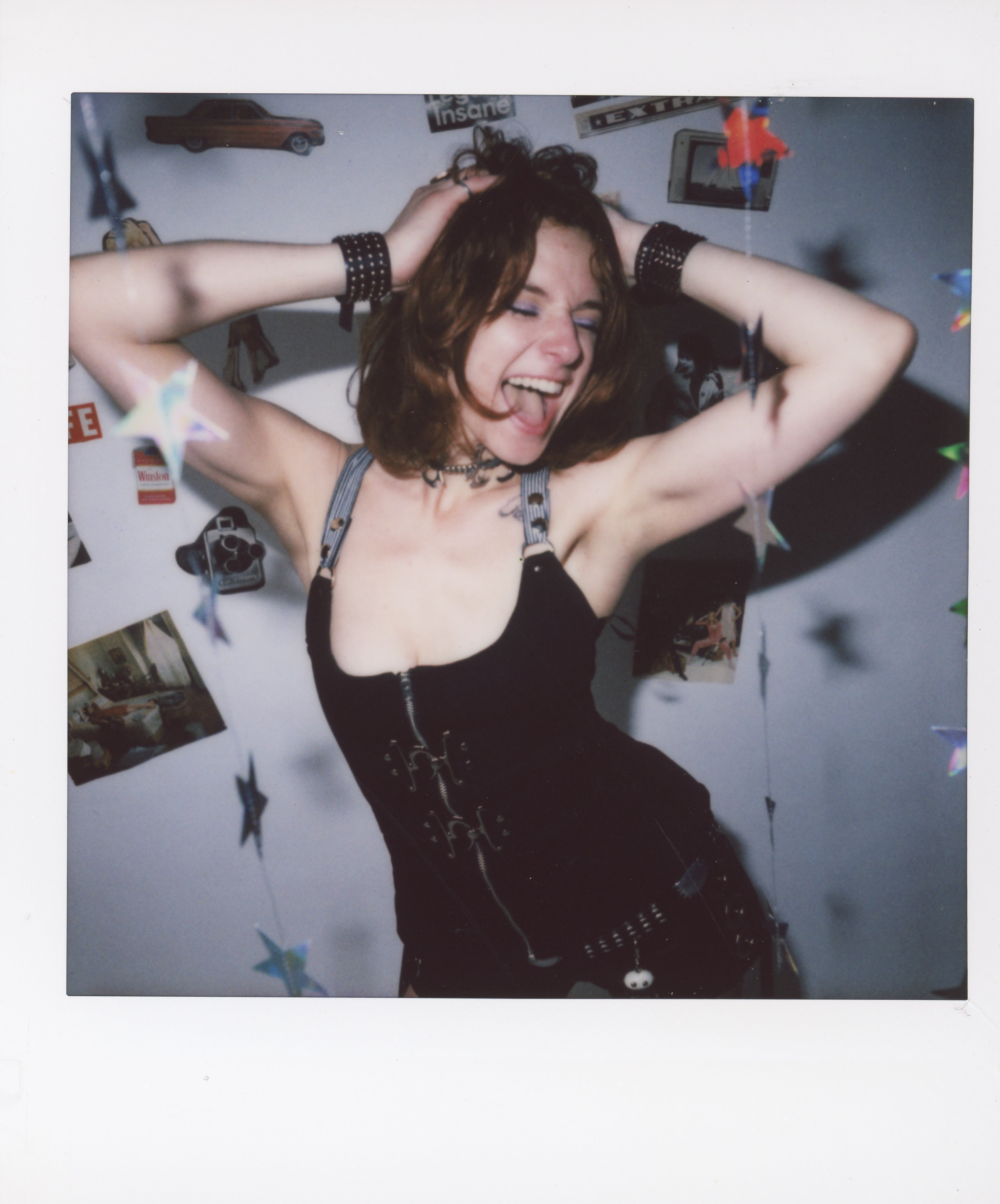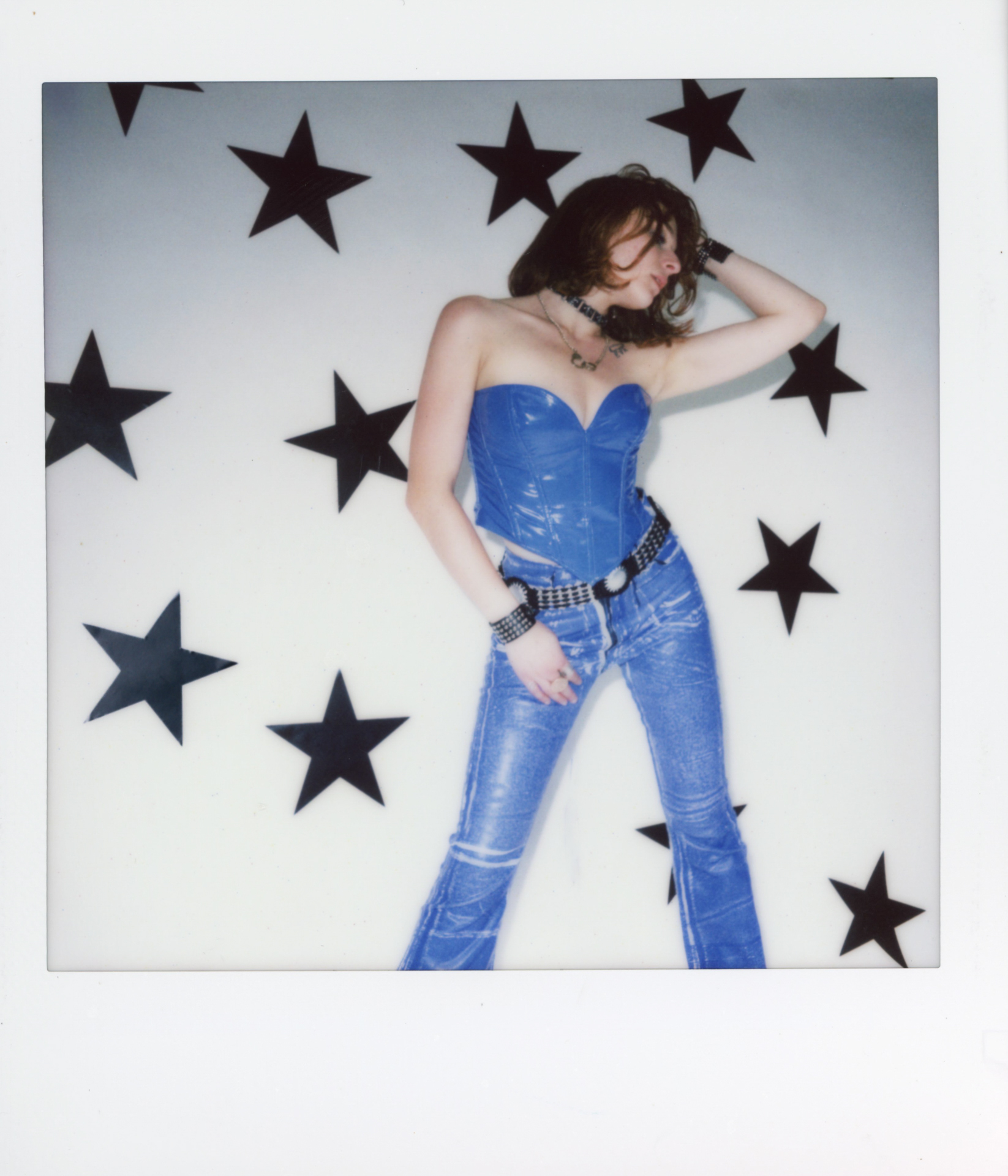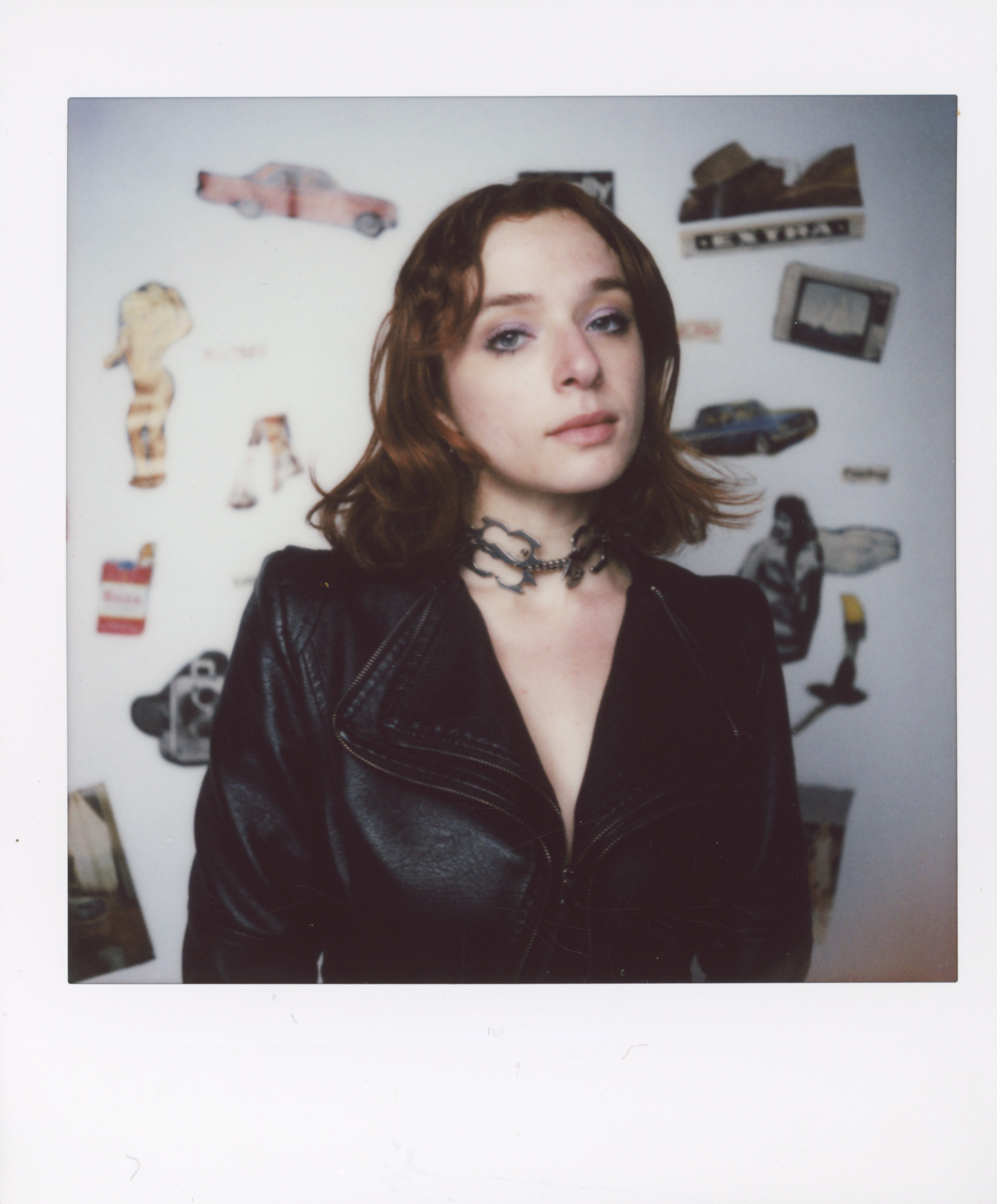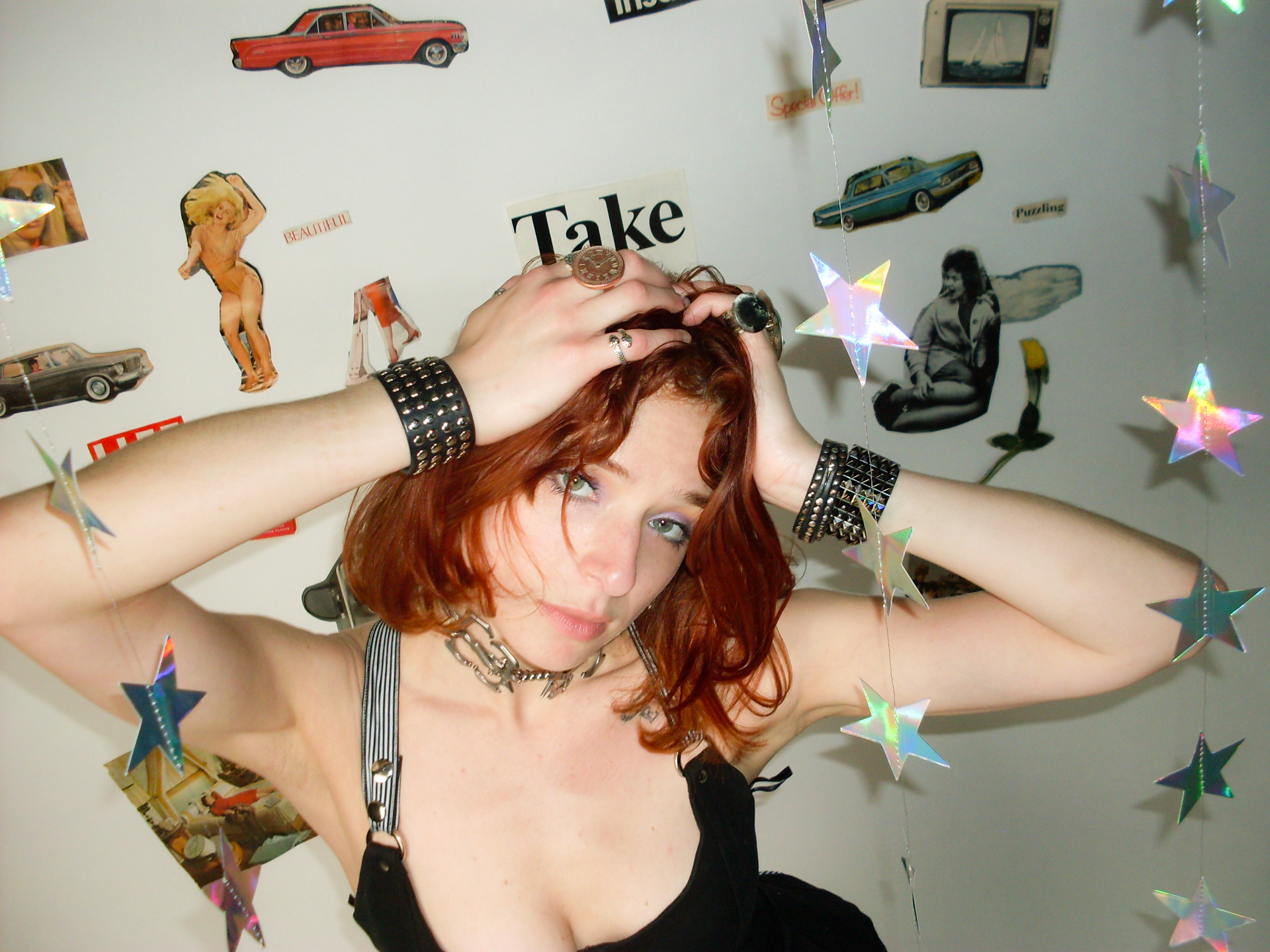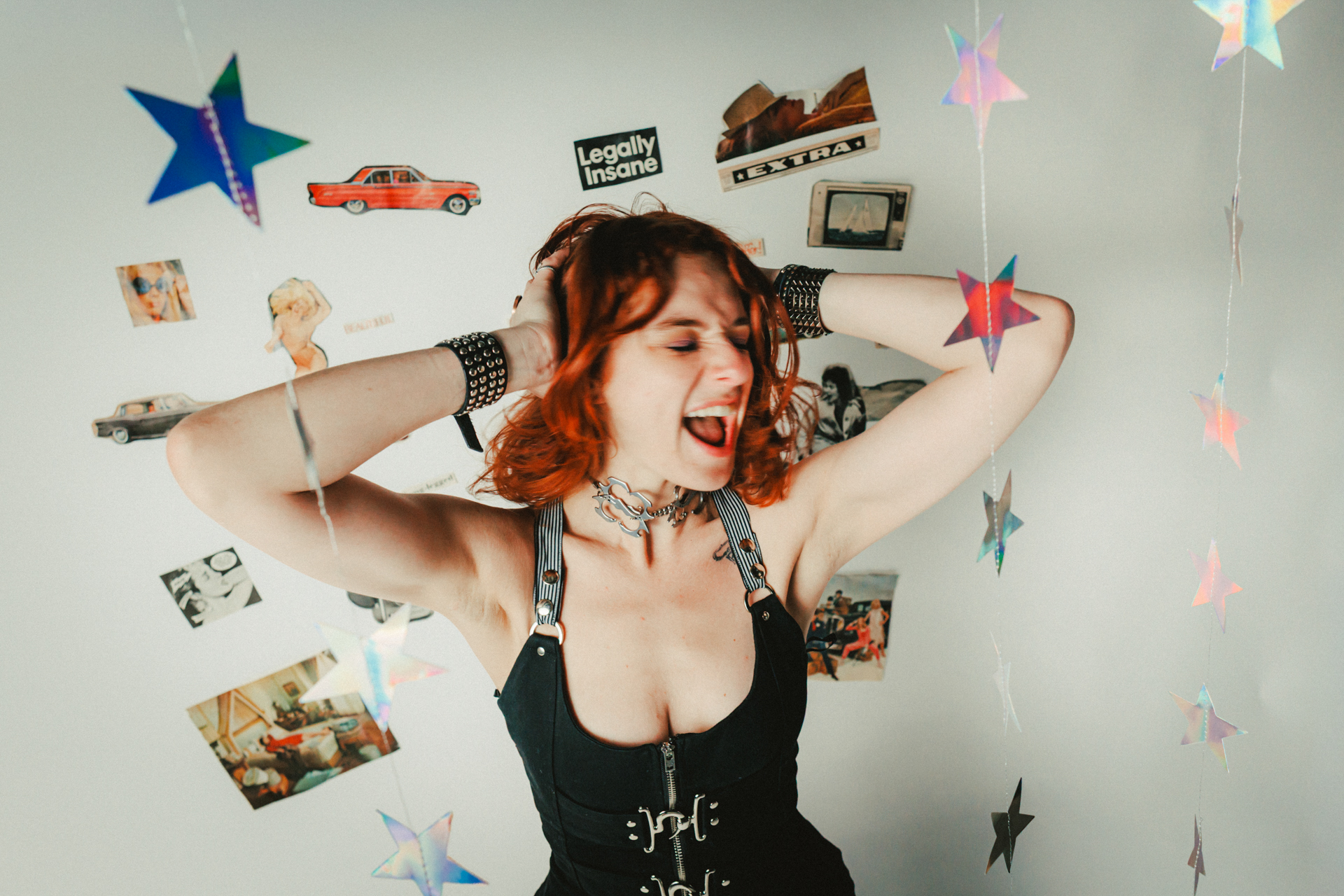
Anyone who’s ever used the internet understands the concept of emotional whiplash; scrolling through a social media feed often means moving from personal posts to headlines about political violence to advertisements within seconds. With her debut album “Oversharing on the Internet,” independent artist and producer Earth to Eve captures this feeling and transforms it into an unfiltered look at modern life.
“Because it’s called ‘Oversharing on the Internet,’ obviously it’s me trauma dumping, but it’s also me sharing information about what’s happening politically and societally,” Eve said. “Basically, it’s a balance of the personal and the political; most of my music talks about either mental health struggles or greater collective and political societal struggles. The way it oscillates between the two on the album, it’s supposed to feel like the emotional whiplash we feel as we’re scrolling through our feeds.” That tension between the intimate and the collective is reflected in the album’s sound and style. Across its 12 tracks, Eve pulls from a wide range of genres and influences to craft a sonic landscape that’s just as expansive and unpredictable as the internet itself.
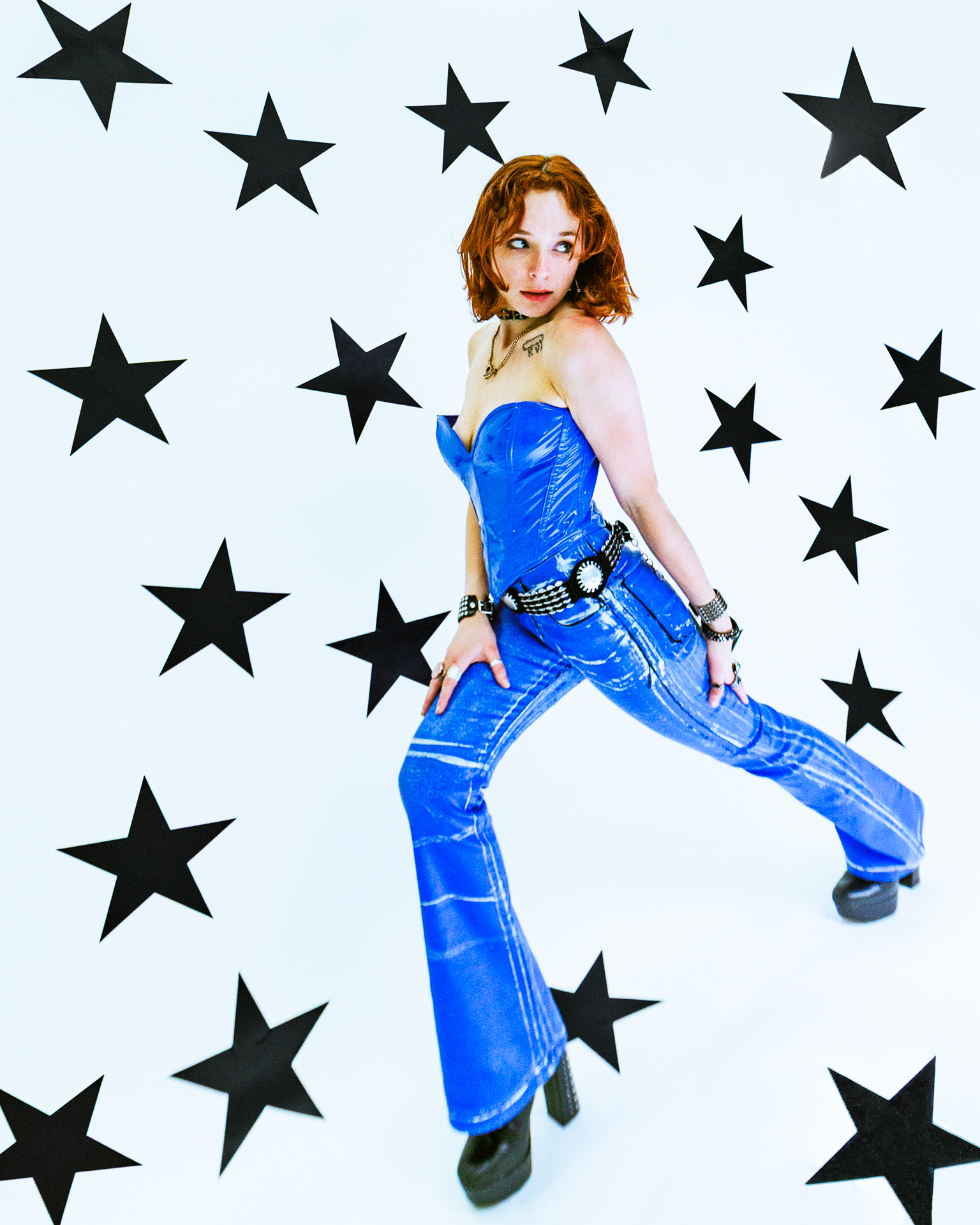
“I would say some hip-hop, some jazz, alternative pop, some like kind of, obviously roots in the original protest music of the 60s, so some folk influences as well on the instrumentation,” Eve said. “For this album I was inspired by Labrinth for the production, building these surreal otherworldly soundscapes, Nina Simone in some of the vocal delivery and the passion, and Amy Winehouse in the raw, guttural grittiness.”
“Oversharing on the Internet” puts emotional vulnerability, human connection, and political activism at the forefront, with Eve taking the listener on a deeply personal journey through her mind and her thoughts about the world around her. One of the album’s biggest songs is “No Kings,” an alt-pop anthem that takes aim at hypocrisy and corruption in the American government. In several online videos, Eve pairs the song with actual headlines to create a visual collage connecting the lyrics with the current events unfolding around them. “For a long time, all I could do was write overtly political music, just because it felt like I had to say something,” Eve said. “And then I think with ‘No Kings,’ I finally got it down to a point where it was crystal fucking clear, my words could not be twisted, and it was very very apparent what I meant. I knew in the moment, I was thinking of the visuals, of being able to put headlines with this, how apt so many of these lines are, and how much information I can pack into the music and actually get it onto peoples feeds. “
The track has gone viral several times, in part because of the way Eve’s visuals place the song within the context of current events. Many viewers connected deeply with Eve’s raw, evocative lyrics that serve as both political education and condemnation.“With No Kings, what I really love about it is that I wanted it to feel like collective protest music,” Eve said. “If it was a cappella with no music, you could still have people stamping and clapping and singing the song, which in my opinion is the real origins of protest music — being used in the movement to mobilize people.”
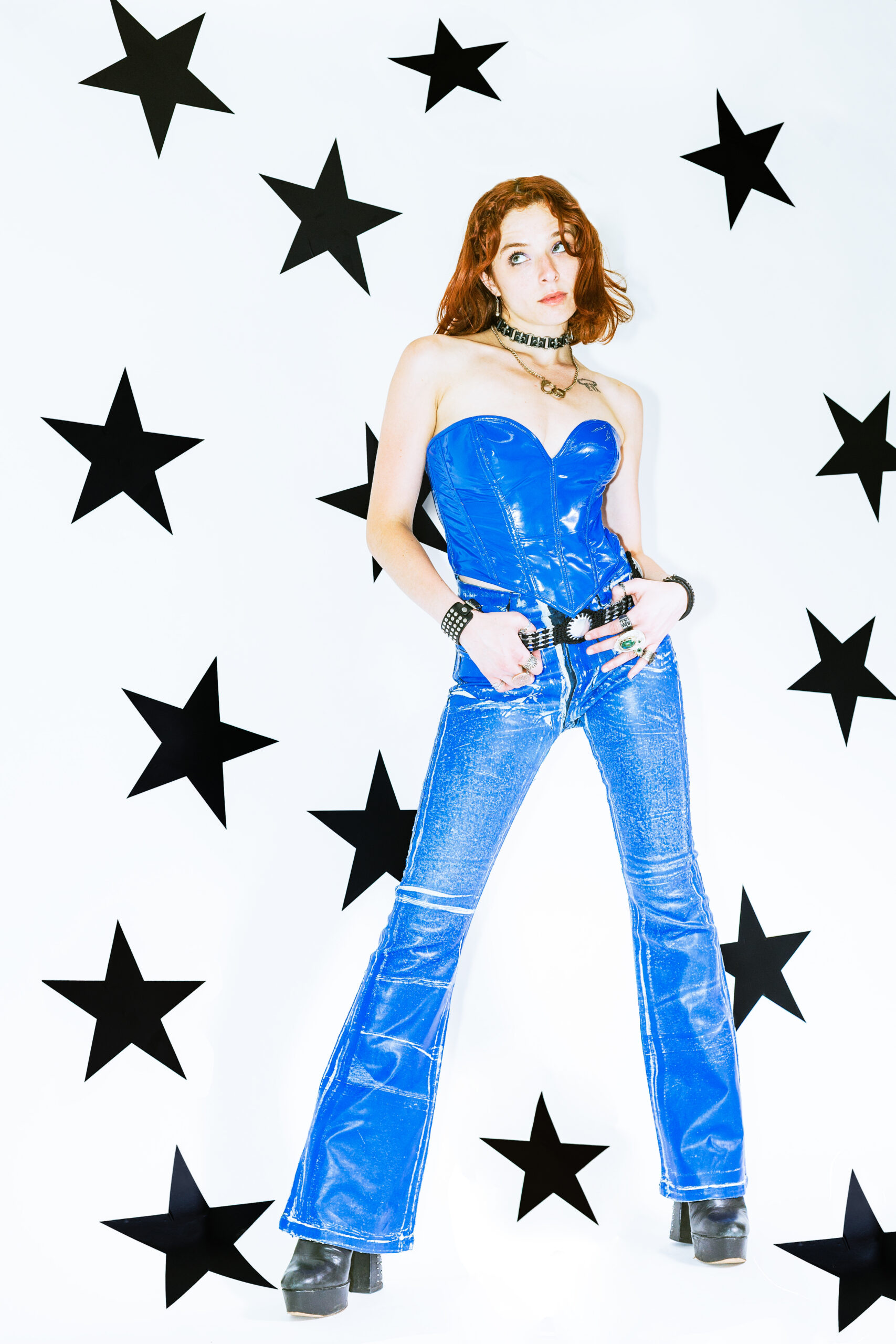
A standout track from the more personal side is “Imposter,” which Eve named as her favorite song on the album. Where “No Kings” looks outward at the world around her, “Imposter” turns inward — translating the often difficult-to-articulate experience of struggling with mental health into a visceral sonic landscape. “I feel like it took me so long to finally nail the feeling of what’s going on in my brain, and this one finally kind of got it down,” Eve said. “And just like, the electric guitars, and how huge and massive it gets, and how it goes from really quiet to ‘AHHH’ — I feel like that’s a really good visual of what it’s like in my brain, as well as for people who similarly struggle with mental illness.”
The connection between the album’s personal and political themes is especially apparent on “First Generation Degenerate,” a restless, lyric-packed song that builds from conversational passages to defiant, anthemic refrains. That tension communicates a sense of mounting frustration, making it a fitting musical counterpart to the song’s central theme: being overwhelmed by the state of the world while refusing to become numb to it. “First Gen Degen is for anyone who’s been told that they’re too sensitive, that they’re overreacting to the world kind of crumbling around us,” Eve said. “It’s about that willful ignorance that we’re met with as empathetic people, and it’s about refusing to give up on that, and being angry at all this bullshit, and feeling misunderstood, and just wanting a better world.”
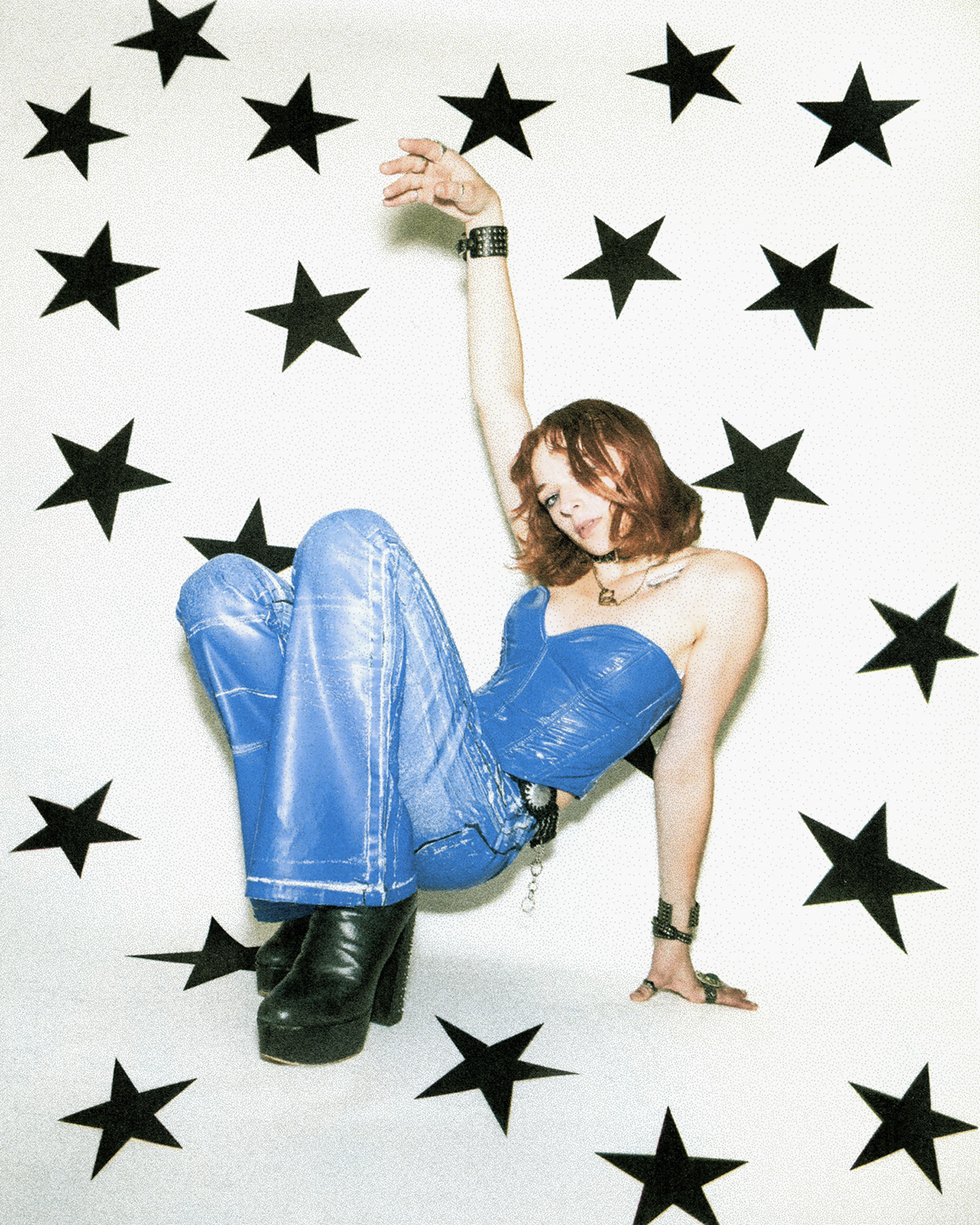
Eve’s principled political stances and raw emotional vulnerability have helped her to foster a genuine connection with her audience. She uses her music to build spaces where people can really connect with each other; in one post, she described her live shows as “group therapy” and a “slumber party” with the audience. “The whole point of the artist project is to bring people into this other world where they’re able to experience the full spectrum of human emotions, just for, like, two minutes or however long the song lasts,” Eve said. “The idea is to bring people to a place where they can sit with everything and feel less alone and less isolated.”
That sense of intimacy and vulnerability carries over into the structure of her shows; Eve often brings audience members onto the stage and takes time to have conversations with the people who attend. “Sometimes, if there was time, we did a little party trick segment, where some people would come up on stage and show tricks and stuff,” Eve said. “So it feels very much like this group collective vibe. Blending the line between artist and audience is always something that I wanted to do, because I feel like one of the staples of community building is getting rid of that division.”
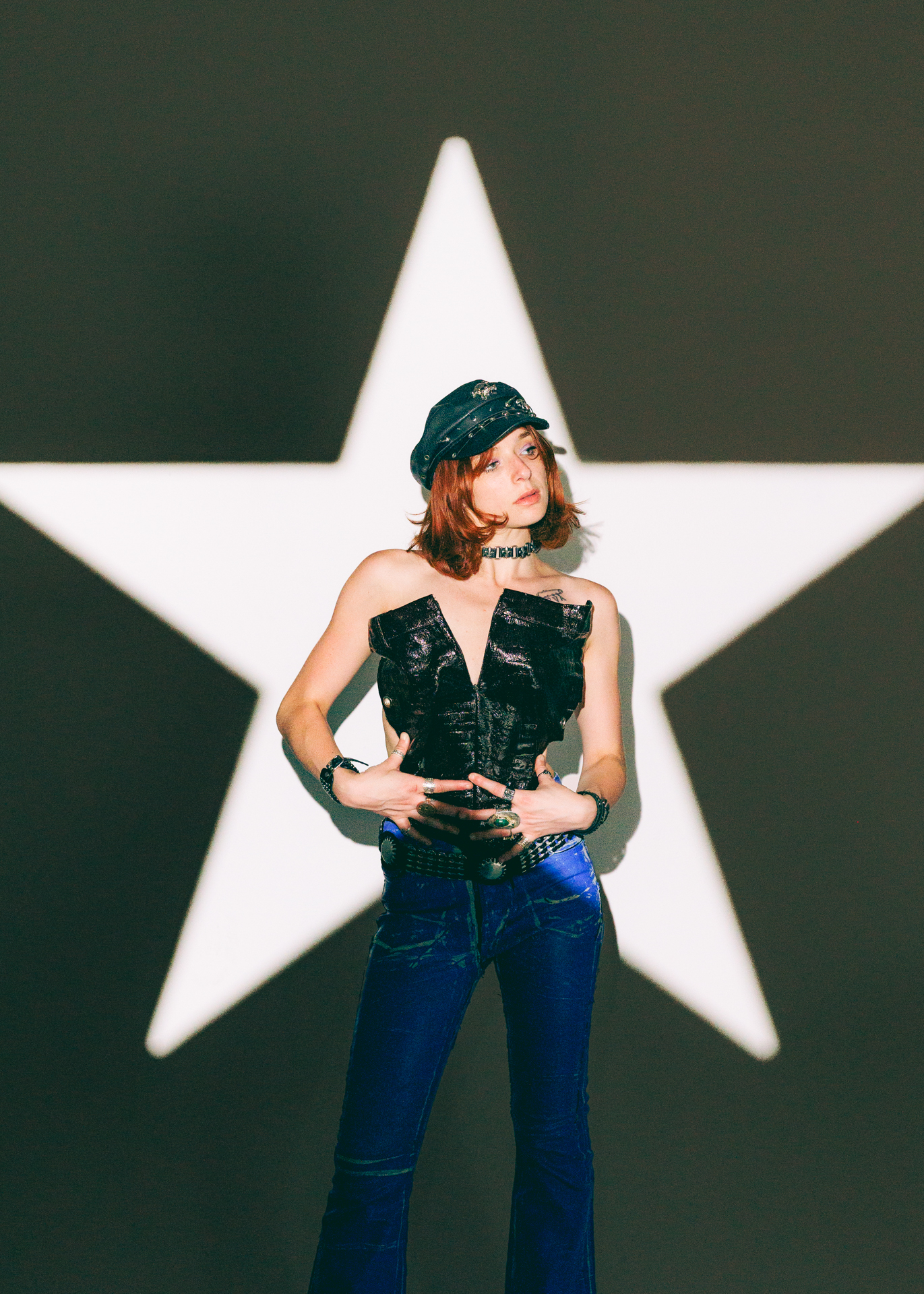
On her recent headline tour, Eve took her passion for inviting audiences into her world literally. She recreated the bedroom where she makes her music as an elaborate stage set, bringing the space — and everything that came with it — across four different countries. “I wanted everyone to come into my bedroom, because that’s where I make all the music,” Eve said. “So we lugged around an entire bed frame, an air mattress, a nightstand, and I designed posters for every track I would be singing and every track on the album so I could put them up around the stage like it was a bedroom. Setup and takedown was a little chaotic, and I stayed after to talk to anyone who wanted to speak to me, so we were running around like crazy people. But it was absolutely beautiful. It was so awesome.”
The elaborate set that became the centerpiece of Eve’s live shows represents where much of the album took shape; she writes, records, and produces all of her songs in her own bedroom. “For all of the songs, I build out the worlds in my room, and producing gives me the most control possible,” Eve said. “There are quite a few songs where I didn’t feel like I totally covered everything, so I have a collaborator named John Luke, and he’s the one who goes in and does all the additional production.”
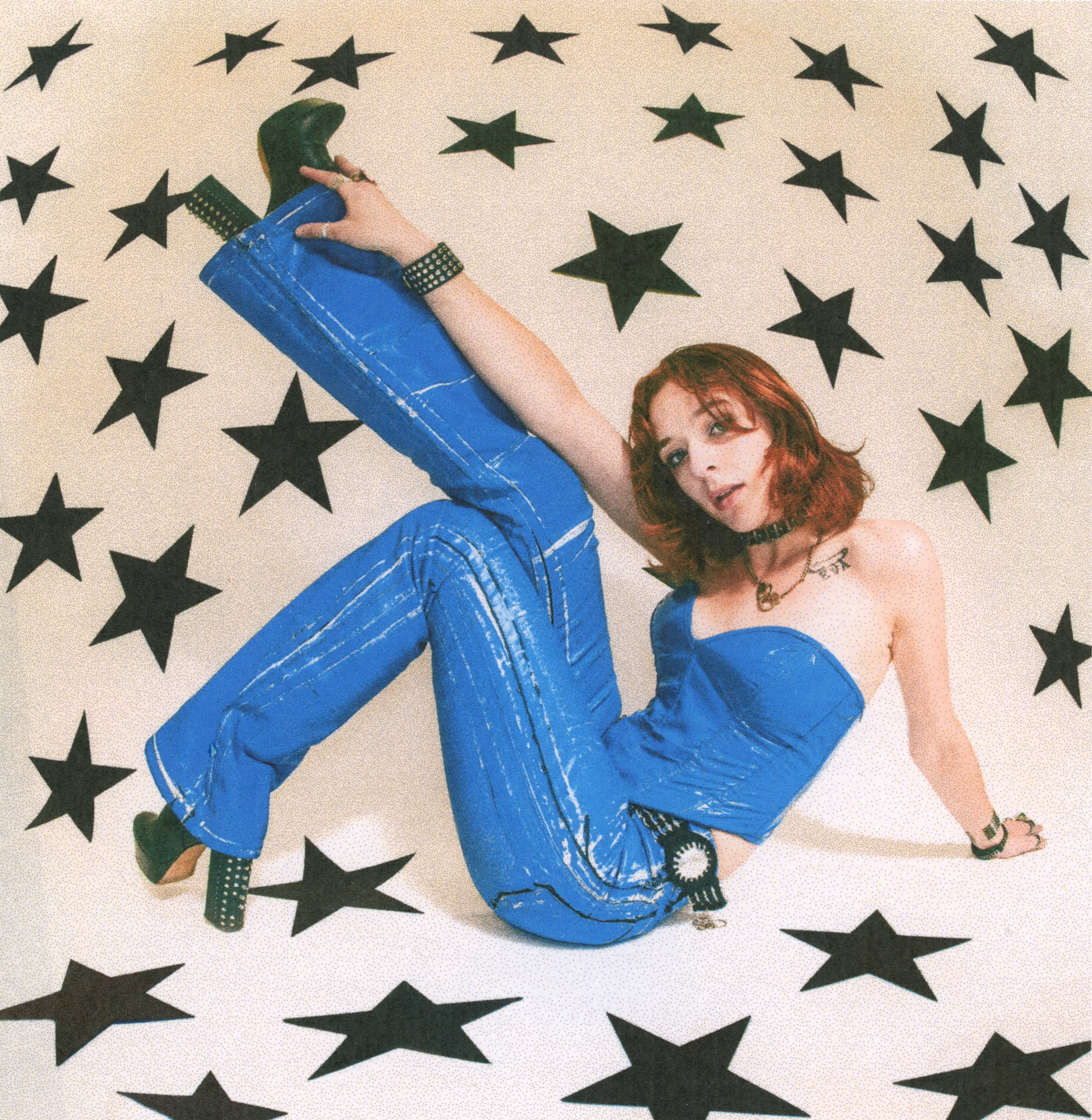
Eve’s dedication to building out individual identities for her songs is something that extends to her graphics; she ideates and designs the visual language surrounding her projects by approaching songs as experiences that can exist across sound, imagery, and performance.“I’ve always been like an audio-visual person, and sometimes I can just kind of see what the world looks like as I’m writing the music,” Eve said. “Sometimes as I’m writing a song, I see in my head, like, ‘oh, this would be a crazy transition visually.’ And it’s weird how that has now infiltrated my subconscious.”
That multidisciplinary approach is a natural extension of Eve’s DIY philosophy. When one person is responsible for writing, producing, performing, and shaping the visual identity of a project, there’s a powerful degree of creative freedom — but also a very real limit to what one person can accomplish alone. “It’s a love-hate relationship with being a DIY artist,” Eve said. “I love making art, and I love having control over what I say and do. But it’s quite difficult to feel limited and have a lack of resources, and I think there are millions of incredibly talented artists, visual and otherwise, that I would love to be able to work with to help bring these worlds to life.”
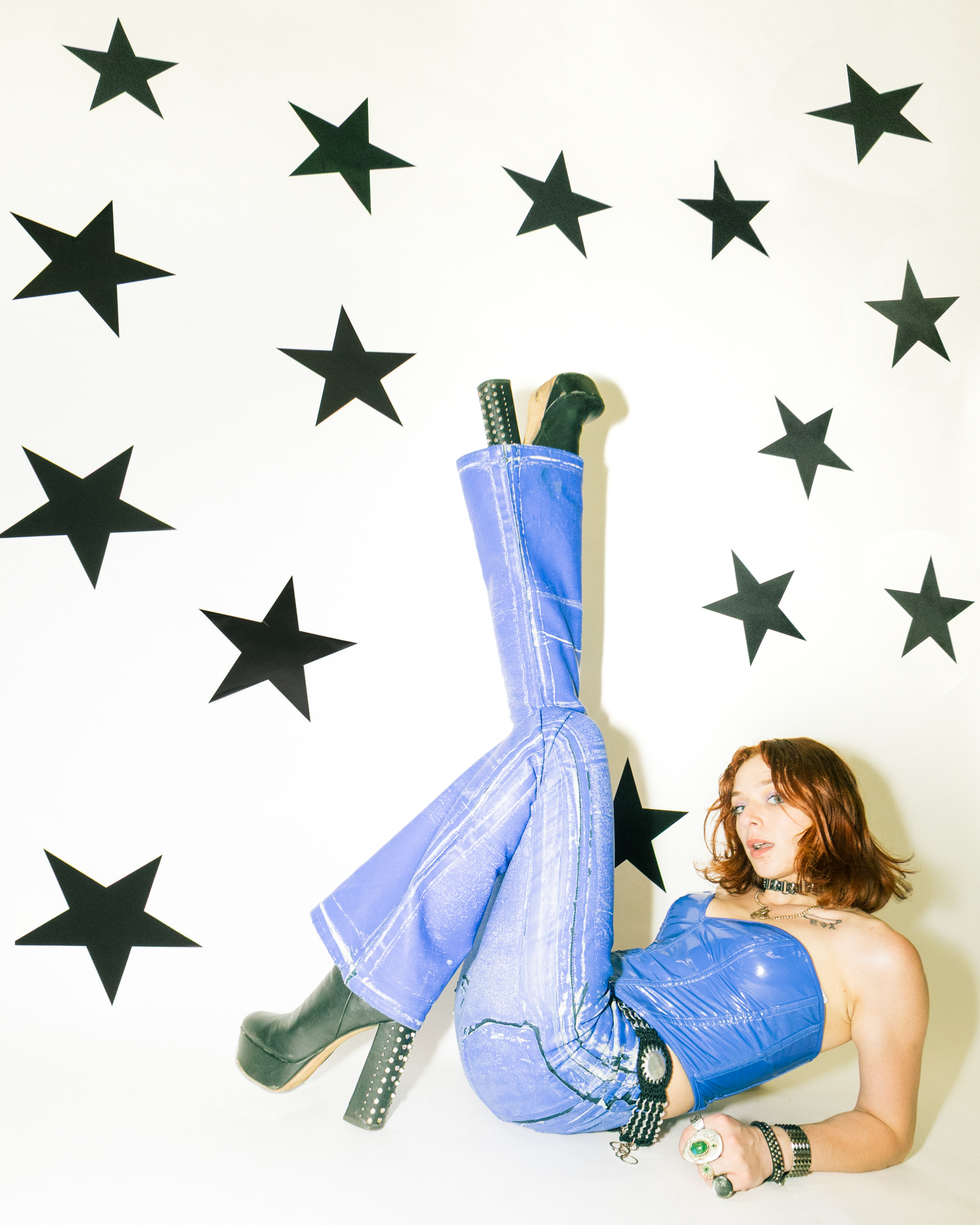
Still, the constraints of working independently have never stopped Eve from building her creative vision. Though she’s been making music for what she describes as “basically forever,” Eve moved to L.A. at 19 and has been recording music for about a decade. After years of writing and experimenting, “Oversharing on the Internet” marks the culmination of that process: a complete body of work that brings together the personal, political, sonic, and visual ideas Eve has been developing for years. “It feels very good to finally have a full body of work out, and one that I put so much thought and care and love into,” she said.
Eve’s experience as a musician has been full of ups and downs, from the difficulties of being an activist in the music industry to beginning to share her music online. For an independent artist, the internet can be both a difficult place to stand out and an unprecedented opportunity to reach an audience without the traditional structures of the music industry. “I think social media changed the game entirely to where we no longer have any type of gatekeepers,” Eve said. “Obviously the algorithm is a type of barrier, but there’s not really such a thing as being ‘discovered’ in live rooms anymore, that’s no longer such a big thing. Music has never been this saturated, and social media has never been this saturated. But we also have more people being able to be relatively financially stable as full-time artists because of social media than we ever had at any point in time,” she said. “So that’s really cool.”
That very contradiction is at the heart of “Oversharing on the Internet”; the same platforms that can overwhelm people with tragedy, advertisements, political violence, and personal confession are also capable of bringing strangers together. Earth to Eve takes that chaos and turns it into something deliberately vulnerable, unfiltered, and defiant.