
Story / Bri Ng Schwartz
Live Photos / Salma Bustos
They say that music is the soundtrack of your life. I can’t remember a time that The Maine wasn’t playing in the background of mine. I discovered them as a preteen, back before Spotify, when I was ripping YouTube audio and downloading songs to my iPod. I know songs like “Into Your Arms” and “Whoever She Is” from their debut album, Can’t Stop, Won’t Stop, like the back of my hand. Between Warped Tours, their own headlining shows, and as support for other bands in the scene, I have lost count of the number of times I’ve seen them live. Their shows have always felt like a safe space for my friends and me. With songs about growing up, young love, and universal feelings of angst, I’ve always felt right at home.
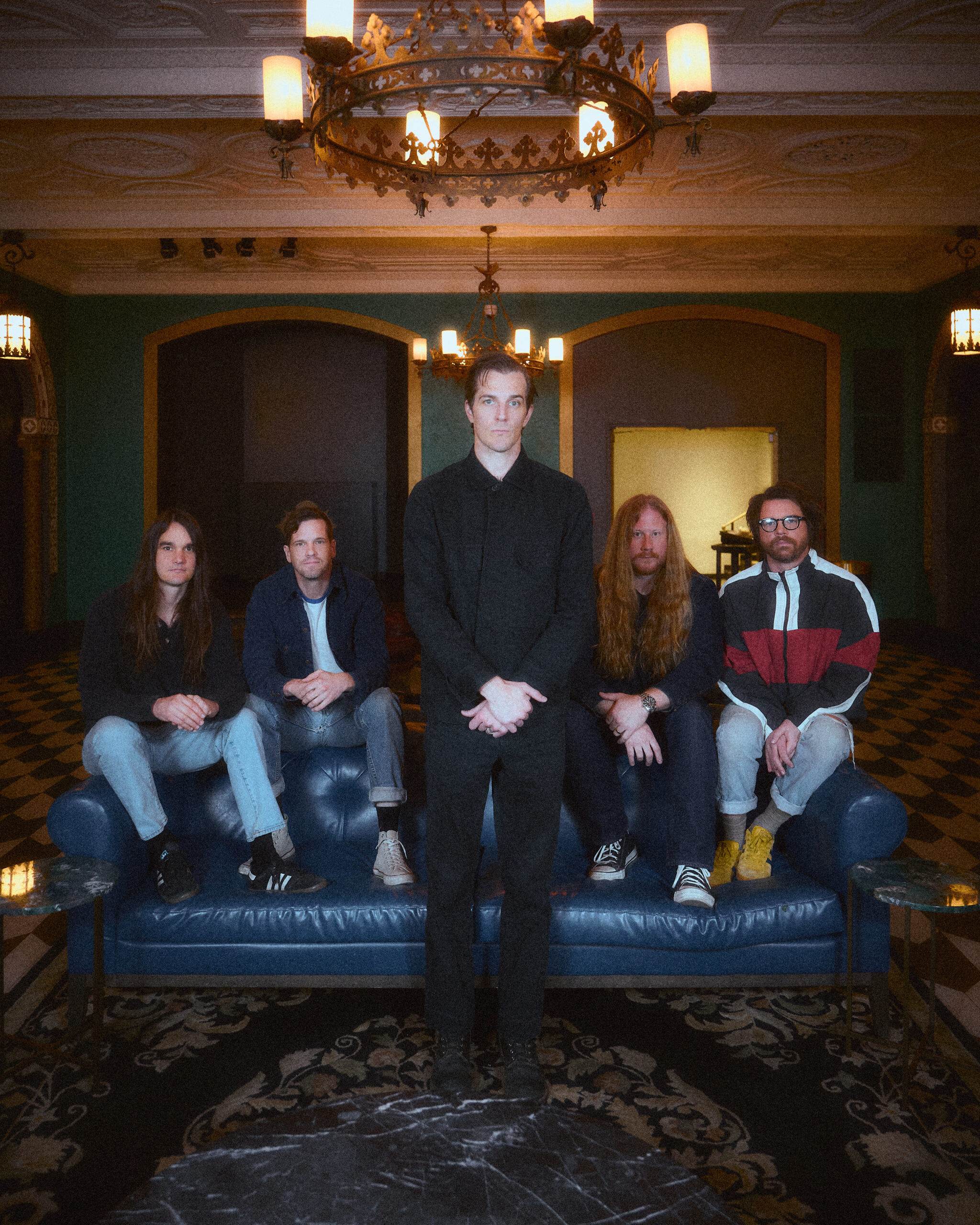
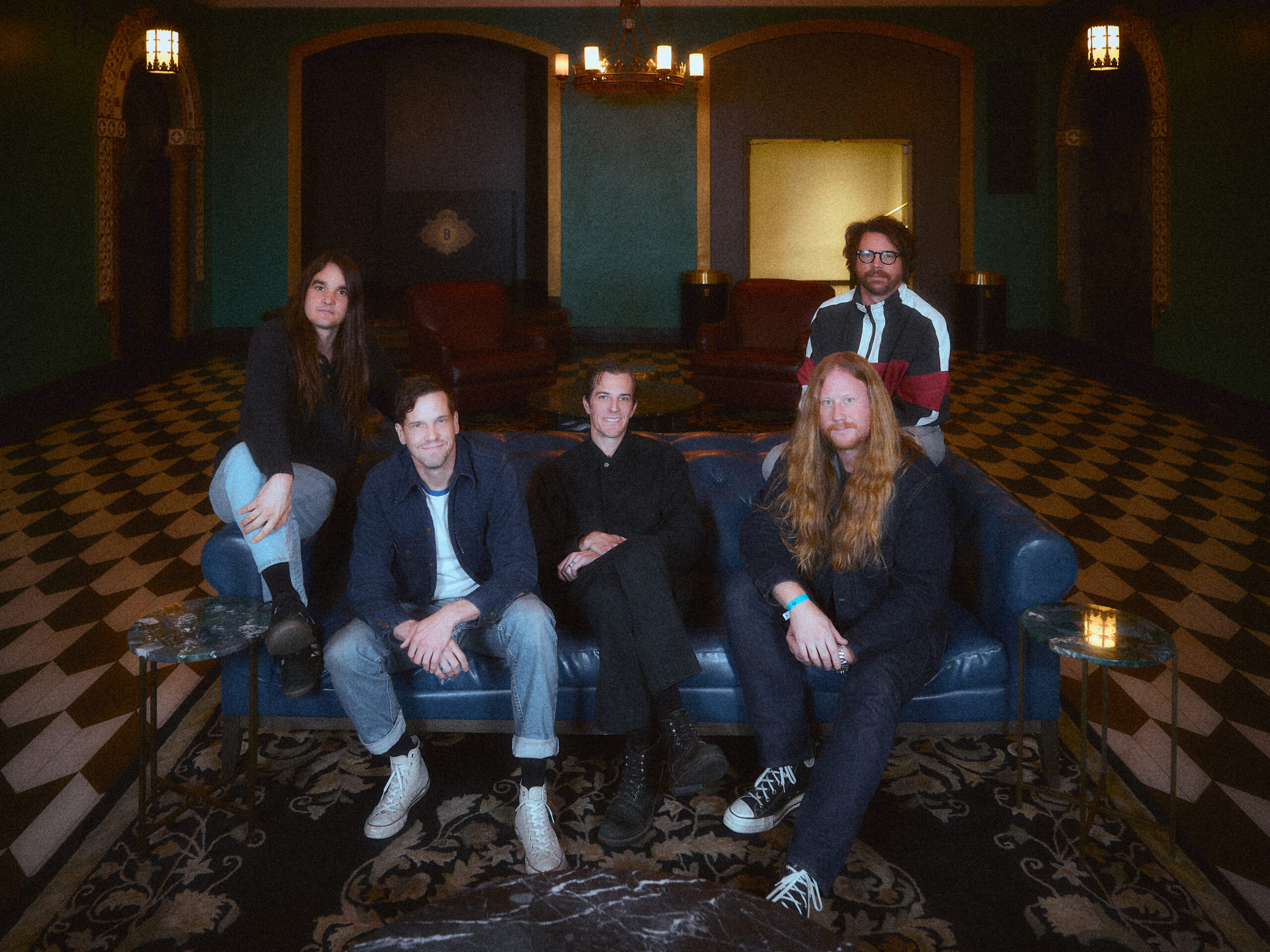
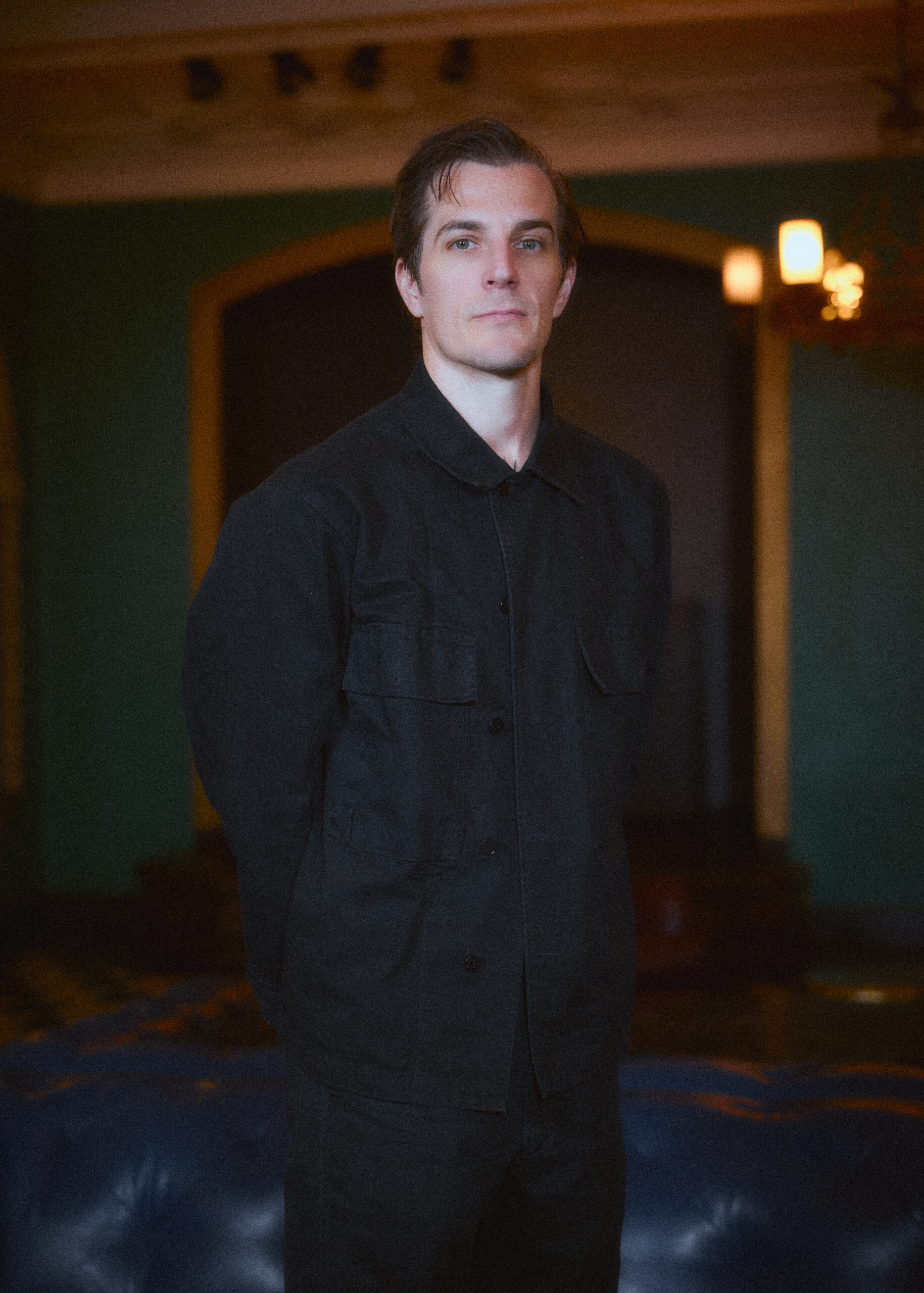
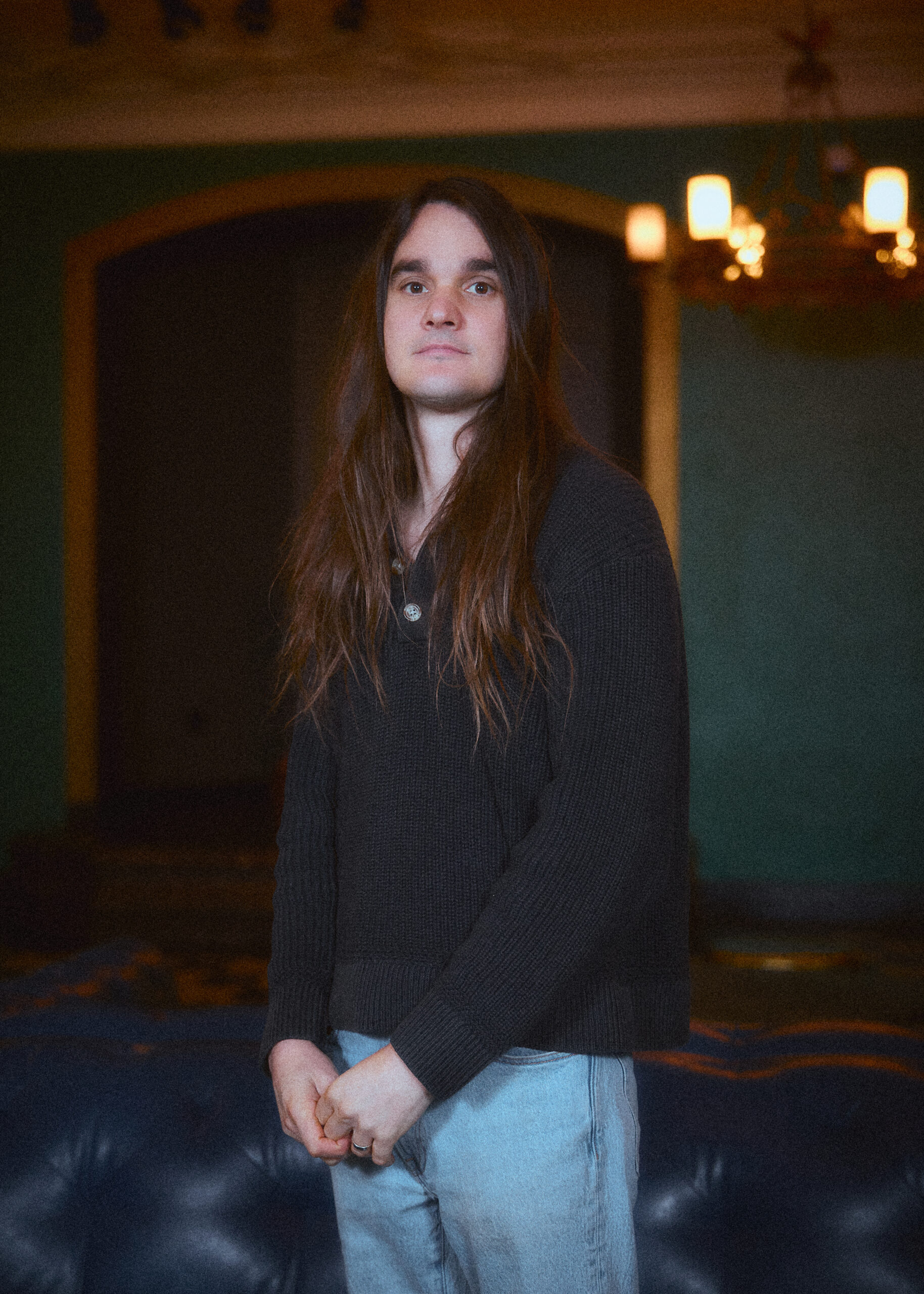
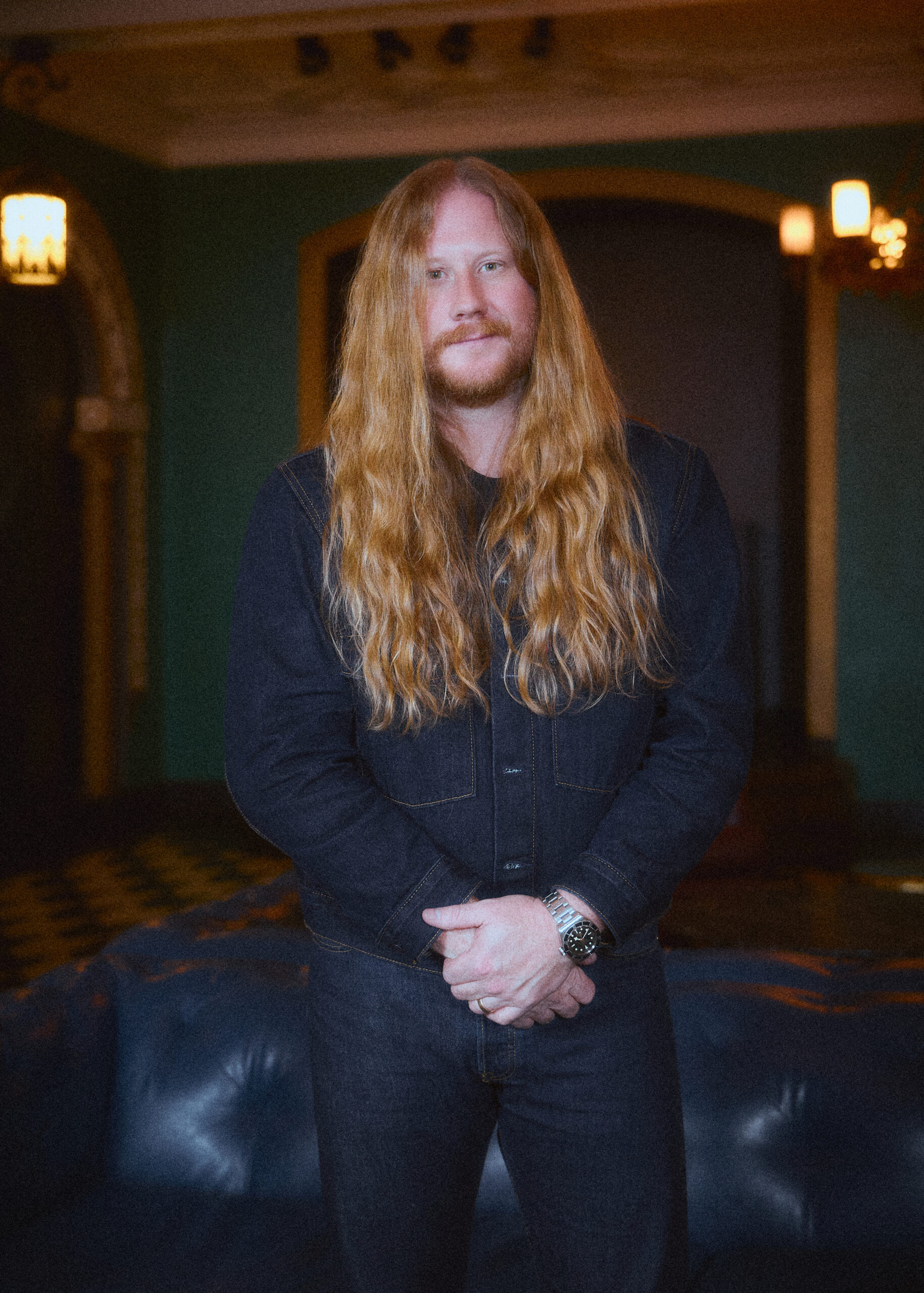
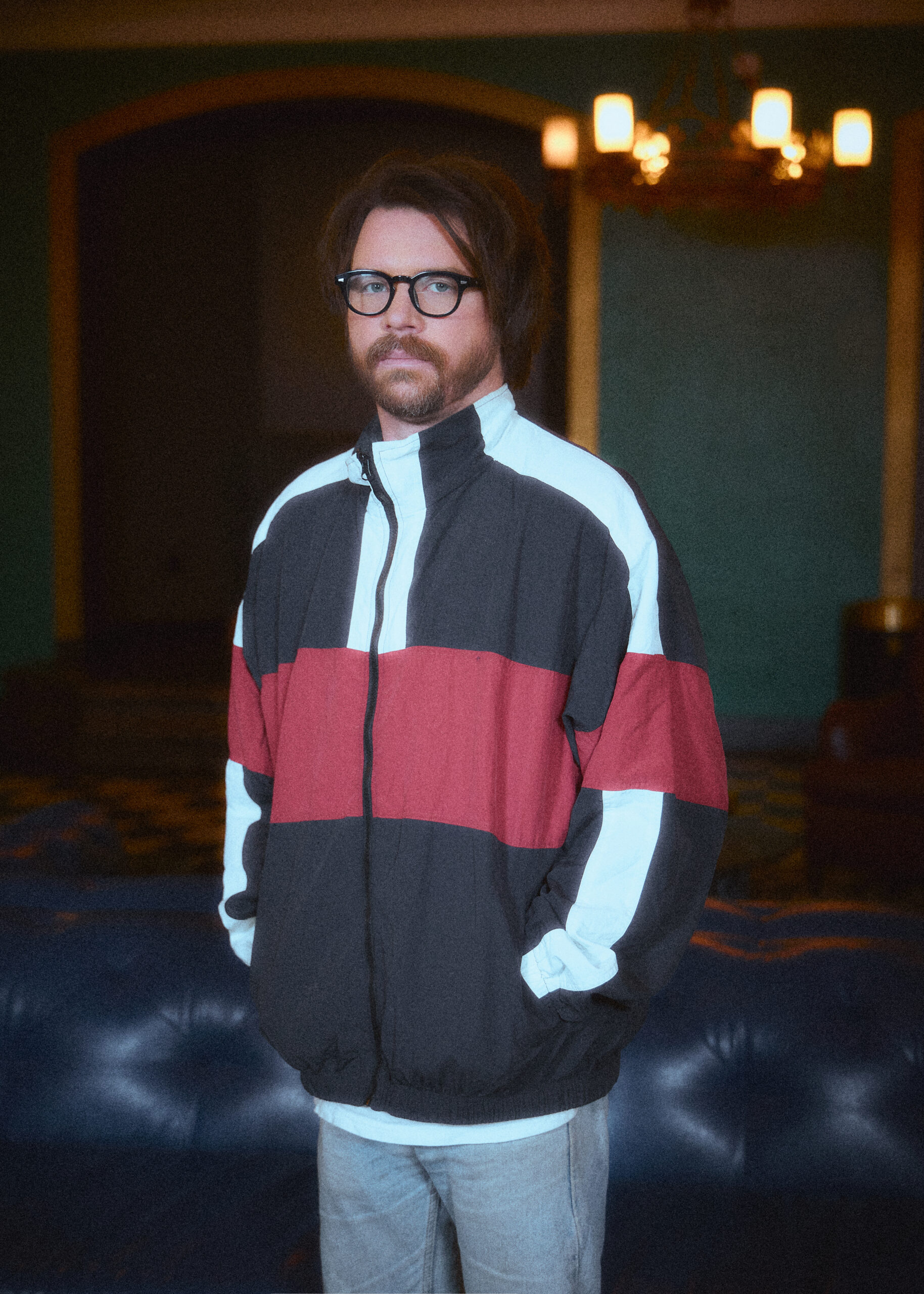
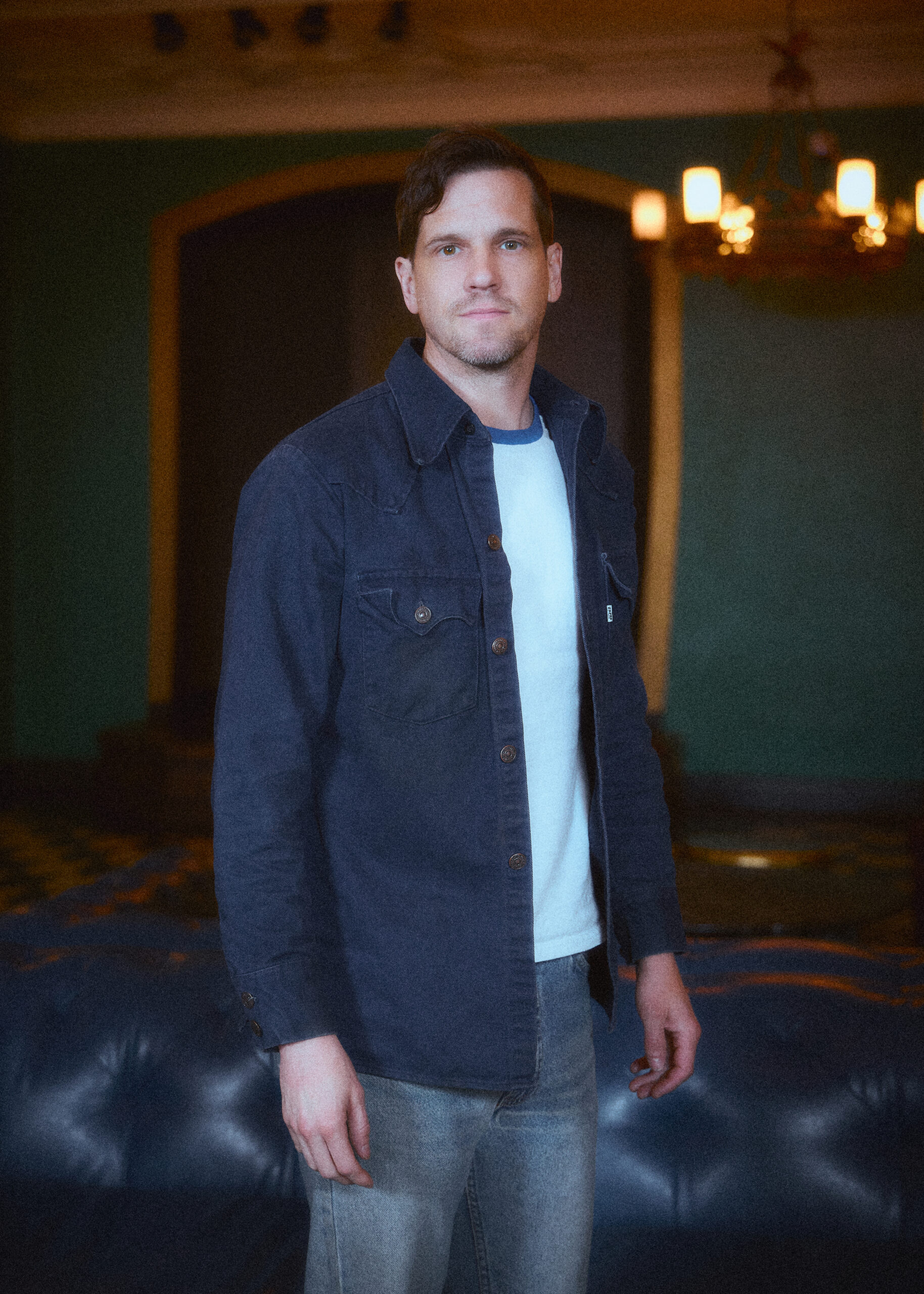
From Phoenix, Arizona, The Maine is made up of John O’Callaghan (vocals), Jared Monaco (guitar), Kennedy Brock (guitar, backing vocals) Garrett Nickelsen (bass), and Pat Kirch (drums) They have spent the last 19 years cultivating a community of music fans through their independent label, 8123, which is also namesake of their fan base after the beloved Arizona parking garage where the band would meet in their early days. The number has gone on to be a movement, with a stacked roster and inception of 8123 Fest.
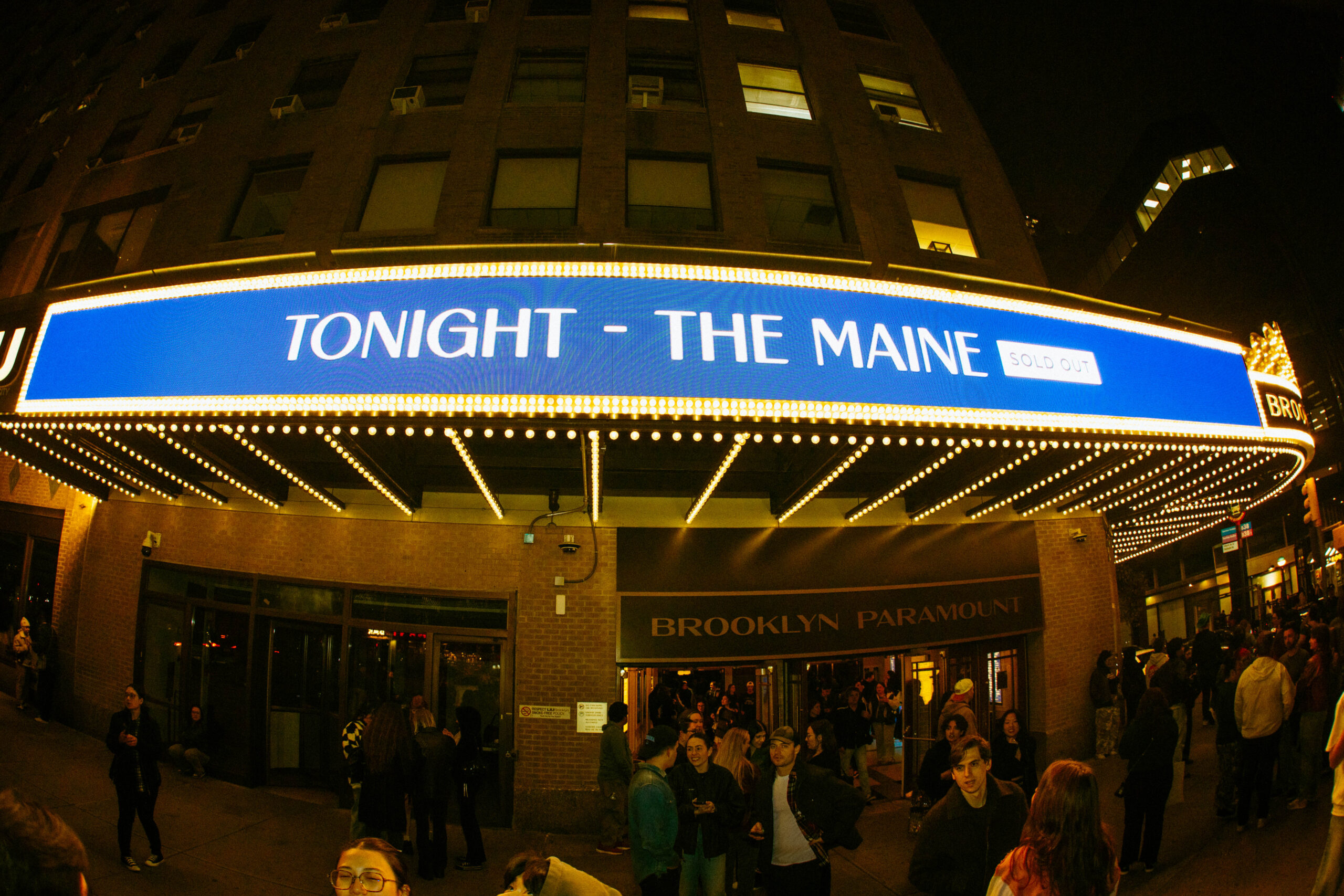
8123 showed up for the band’s sold-out show at the historic Brooklyn Paramount. I arrive at the theater 4 hours before doors to interview the band, and fans are already lined up, ready to dash to the barricade. Many are wearing green, the thematic color of their 10th studio album, Joy Next Door. Others are wearing merch that some would now call “vintage” from past eras of the band.
I join the band in Brooklyn Paramount’s exclusive Ella’s Lounge. The guys are spread about the space, frontman John O’Callagan playing notes on the piano. I introduce myself, despite having met them a handful of times at free meet and greets over the years. One of their ongoing band slogans is “why would you pay to meet a human?” It’s a refreshing take on fan to artistic interaction in an industry where everything is monetized. We discuss Joy Next Door, color choices behind each album, and reflect on the last 19 years.
After all these years of touring, I can only imagine how many times you’ve been to New York City. Do you have any memorable moments from being here over the years?
John: I always think about the first few times that we visited the city. It was always in a van and trailer. We did not know how to kind of traverse the streets. We were on a Garmin GPS, and people were honking the entire time. A lot of high stress.
Kennedy: I remember trying to find parking.
John: All of that paired with the excitement I remember feeling. Those feelings at the same time are always going to be the first thing that I think of when it comes to New York. Scared and anxious, but also incredibly exciting.
Do you remember what year that was?
All: 2007.
John: The first time was a showcase.
Pat: It was just like a random bar.
Jared: It wasn’t even really a venue. It was just a bar that had a stage.
Pat: Then the next time we came back would have been when we played The Knitting Factory, that was also in 2007.
John: I got my fake ID stolen.
Pat: It was the first proper show that we did in the city, and it was awesome.
2007 is nuts. 10 albums later, Joy Next Door is here! John, you shared on Instagram the day the album came out that this was the toughest album to make to date. Could you share more about that?
John: I think at this point, they’re all going to be tough. I probably said the same stuff about the last record. I think the reason that they get tougher as we go is that we’ve done it so many times and don’t like to do the same thing twice. That might cause some tension and headache. With this one, it had an open-ended timeline in terms of release, and I think that added extra stress. Now, with the luxury of hindsight and retrospect, I think that actually made it feel like it was ready, right, and perfect for our standards and for what we were trying to accomplish. If we’re fortunate enough to have another crack at more albums, I know that they will just continuously be hard, and they should be hard.
You’ve been on tour for about two weeks now and have been performing a handful of the new songs. Have there been any favorites with the crowd? Or your favorites to play with each other that you didn’t expect?
Pat: “Die To Fall” is the first one that came out, so it has an unfair advantage. It has a pace to it and a tempo that is faster than any other song that we have in the set. So that just brings a certain kind of energy.
Jared: It’s a fun one for Pat to play. It’s very fast.
Garrett: “Quiet Part Loud” is an interesting one because of the way the stage is set up. We’re on risers and it’s the first time in any show we’ve ever done where I’m not really paying attention to the crowd. I know that sounds weird, but all of us just in a moment together, and that’s never really happened. It’s this weird, cool dynamic where I zone out into just us playing, almost like a rehearsal. Then I look over, I’m finally at the end, and I’m like “Oh shit, there are still people here.” It’s this weird tunnel vision.
I want to talk about the color green. I was trying to think back to when you started playing with color on your albums with American Candy and blue. How did that start? What made you decide to continue with color?
John: It was with the blue suits we wore on that album.
Pat: We had decided on that album cycle that blue was just going to be it. This was back when people were trying to make their Instagram feed an aesthetic.
John: Like a Tumblr page.
Pat: We were putting a blue tint on everything, got the blue matching suits, and had the blue backdrop on Warped Tour that said “You’re watching a band called The Maine.” One day I wrote a caption like “the summer of blue.” Then we did it again the next year, and the color was red.
John: From there, we just prescribed a color to the first three albums that didn’t have one, and then it was sort of accidental, and more things for people to grasp outside of just the music. With the suits, it was always a professionalism thing. Maybe even subconsciously like, all right, you’re going to work. Even though this is a silly job.
With green, it was that collective consciousness thing. We all landed on the idea of new growth, but not necessarily new beginnings. Things have been pretty cyclical for us. We put a record out every two years, and this being our 10th, we’re just so fortunate to have another go at it. It felt like green was just supportive of all of those things.
I can’t believe there have been 10 albums. I have favorites from all of them. “Growing Up,” “Like We Did,” “Sound of Reverie,” to name a few. Those songs, along with so much of your body of work, include themes of nostalgia. Is that a conscious throughline? Or has it just come naturally?
John: Ray Manzaric from The Doors had a quote about music: “You don’t make music for immortality, you make music for the moment, capturing the sheer joy of being alive on planet Earth.” When thinking about lyrics, I’m not really thinking about what I think will resonate the most. I just try to speak as authentically as possible. Hopefully, that’s what people gravitate towards when it comes to our lyrics. The same goes for music; we’re not trying to pander. It’s really important that authenticity is paramount.
Talking to these guys over the last 20 years, there are a lot of feelings that all five of us have because we’re all around the same age, going through similar things. I like talking about those things, and I like reminiscing. Sometimes I’m so hyper-focused on the future and the next step that I think maybe that’s my form of therapy or way of coping.
One of the most special things about going to your shows over the years has been the 8123 community. Did you ever expect 8123 to be what it is now?
Jared No. I think what’s crazy about how it’s developed over the years. We start this thing, we’re so passionate about what we’re doing, and then it sort of slowly starts to translate to like other people. They start picking up on that and sharing. It just snowballed. We never could have imagined that it would be almost 20 years later, and it’s stronger than it has ever been.
We owe everything to 8123 because that kept us moving in so many ways. It pushes you to be better at literally every single thing that you do, and also makes it a little bit easier to take risks. I feel like there’s people that will be behind us no matter what we’re doing and believe in this.
Kennedy: What a reward it is to have people from the community around it.
John: In high school, these guys were all in bands before this band. For Jared and I, we went to that parking garage. I wasn’t even in a band, I just loved being around my friends and loved the camaraderie and friendship that was music. The special part, like Jared said, it had kind of transcended our band. Our band still does mean something to people, but you could argue that 8123 has overshadowed the entire thing in a beautiful way, in the way that it did for me when I was in school and wasn’t doing music. We’re just very fortunate, we have that on our side and we’re still growing with it as well, even almost close to 40. Fuck.
Pat: When the band first started, there was like a scene that you could be a part of. There was a clear path of bands that were in Alternative Press, and you played the Warped Tour, and you toured with these bands. That was the community, and that’s gone away. We had to form our own thing, or you’re just on an island. It’s 8123 that replaced that community for our fans. So now they have this other home that we’ve built with them.
Warped Tour, Alternative Press, that whole scene was so many people’s entire identities, including mine for a period of time. The last time I felt like I was a part of that same community was the last Sad Summer Fest in 2024. It got me thinking, “Wow, half of the times I’ve seen The Maine, it has been with Mayday Parade.” What has camaraderie with them looked like over the years?
Pat: We’ve done so much with them from early on to now. When we first toured with them, we were in a van, and it was their first tour in a bus. They were letting us sleep in the back lounge of the bus to have a break from the van. There aren’t a ton of bands that have survived this whole time. So the handful that have, I think there’s this unspoken bond that we have.

After all of these years, how do the five of you stay grounded as collaborators and as friends?
John: Just like any healthy relationship, communication is key. It’s strange because we haven’t toured in headlining mode for over two years. We’ve been in the studio plenty, but then you’re living in a 500-square-foot studio apartment on wheels, and you’re literally sleeping on top of each other. So it’s twofold. I think one half of it is that we really enjoy each other, and the other half is that we try our best to bring out people who help on the road who are all good-natured and have a solid character, so nobody feels like they’re all alone.
Jared: We’re super intertwined at this point, the five of us. On the technical side of things, playing music together, there’s just a way that the five of us do things. It’s second nature. When you take one piece away, it’s still great. That’s a luxury that we have and translates to how we approach other things: roles in the studio, roles here, there, wherever. After 19 years.
How have your relationships with touring changed over the last 19 years, especially now that some of you have gone on to have your own families?
John: It’s constantly evolving. Kids at these ages grow up so quickly, and they change so rapidly that you have to be as punctual and as flexible as possible. When it comes to time spent, I think it has to be as intentional as possible so that you can maximize your time away and also maximize your time when you are at home.
It’s just a strange gig all around. We’re very fortunate that our support systems are very strong and they have been from the jump, which is part of the reason why we are still a band, or why we even started in the first place, is because of our support systems at home. That hasn’t changed or wavered. We just try to be as hardworking as possible so that hopefully it doesn’t change for a long time.
Let’s say 15 years down the line, one of your kids tells you they want to be in a band. What do you say to them?
John: None of us got into this thinking that we could make a livelihood out of it. It was all based on passion, naivety, ignorance, enthusiasm, and excitement. Whatever my kids show me, if they show me that, I’ll go all in. It doesn’t matter.
What does 2026 have in store for y’all after the tour? Anything you could share?
Pat More shows. We’re going to keep getting people to hear this album. 2027 is the 20th anniversary of the band, so we’re going to take some time that year to look back.
John: Here’s some extra tea: we have a song that we’re going to try to finally drag over the finish line that we couldn’t get done in time for the release. We were certain that it needed to find a place, but that remains to be seen; we just need to take it the extra little step over.
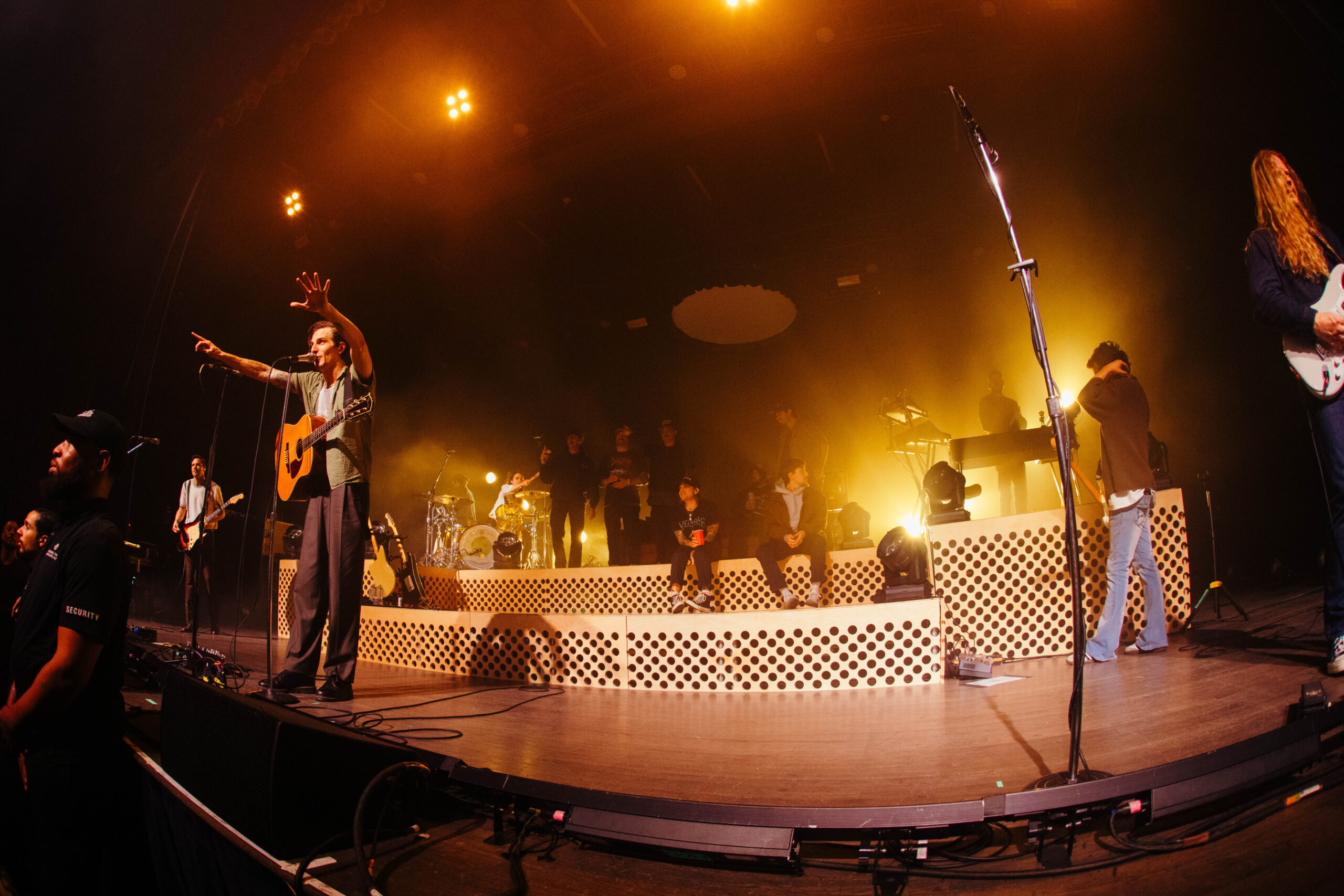
Later that night, I head up to Ella’s lounge once again to watch their set from the Brooklyn Paramount balcony. I make friends with two girls who are dancing and screaming along to every song. They empower me to do the same, no matter who may be watching. That is what 8123 means to me. Making friends with absolute strangers, and singing at the top of your lungs together.
As I approach 30, The Maine turns 20. These are the songs I was crying to in 2011, dancing to on the hottest summer days in 2014, and writing about in 2026. I’ll always be grateful to them for giving me a soundtrack to growing up and continuing to create community in the indie-rock scene.
Stream Joy Next Door & Connect with The Maine