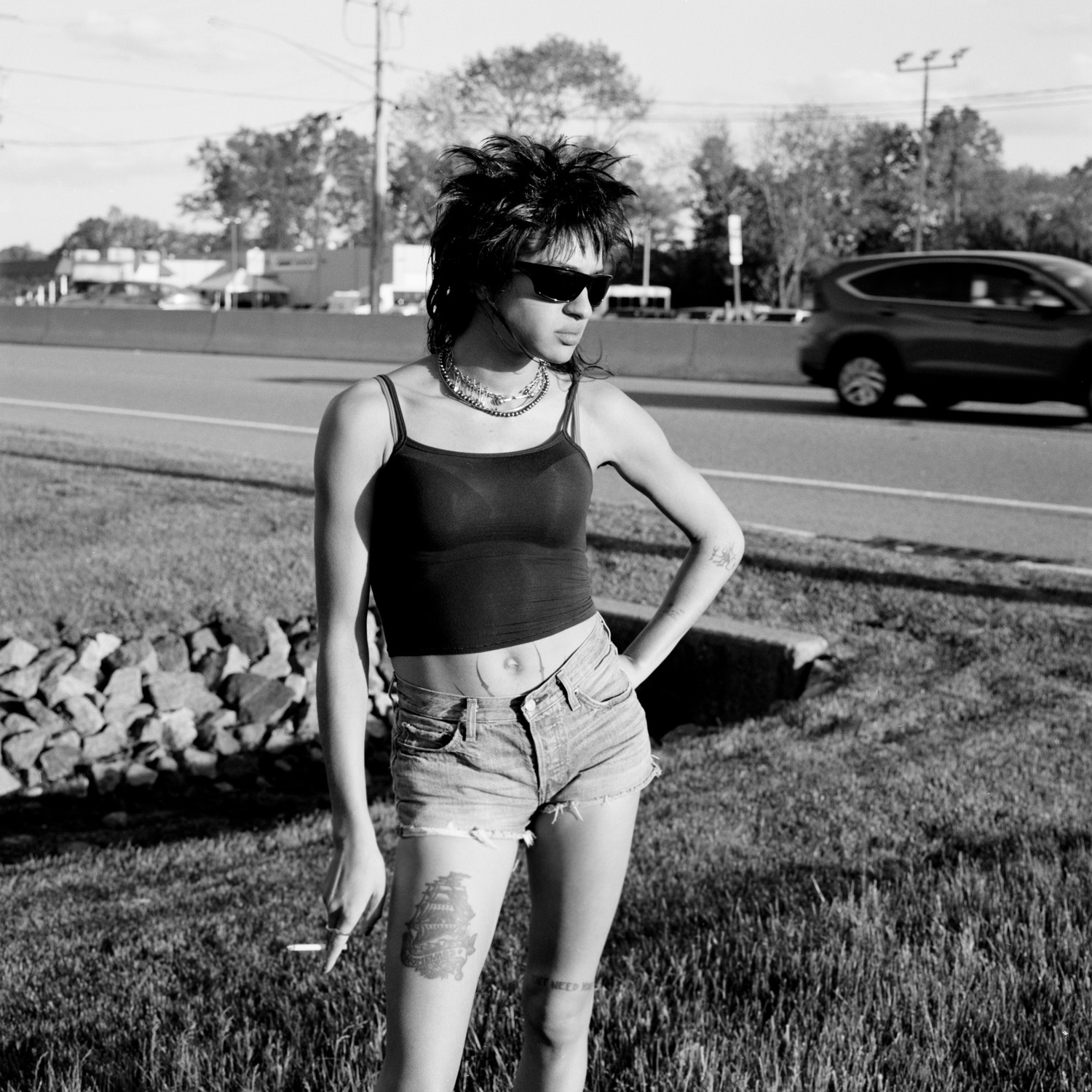
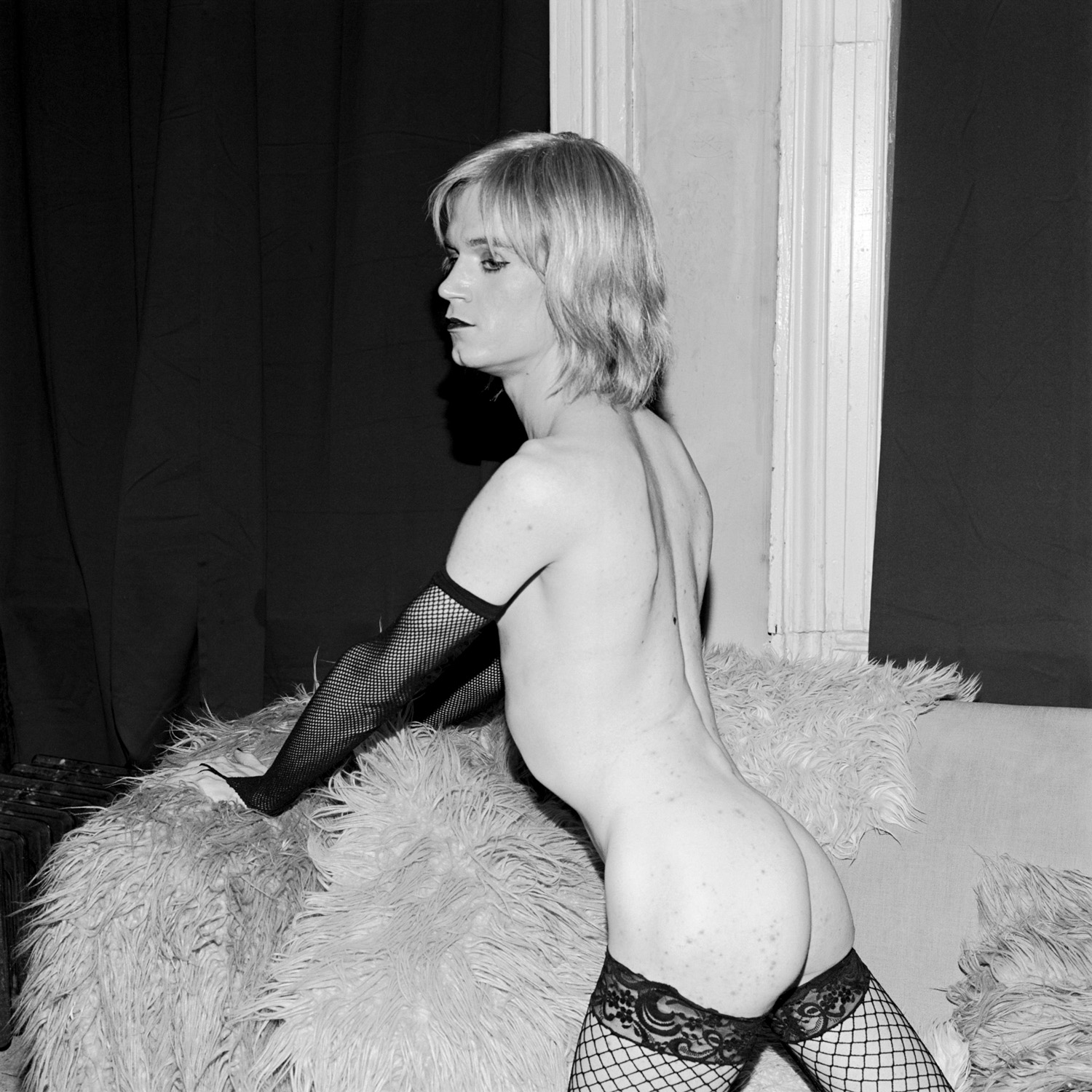
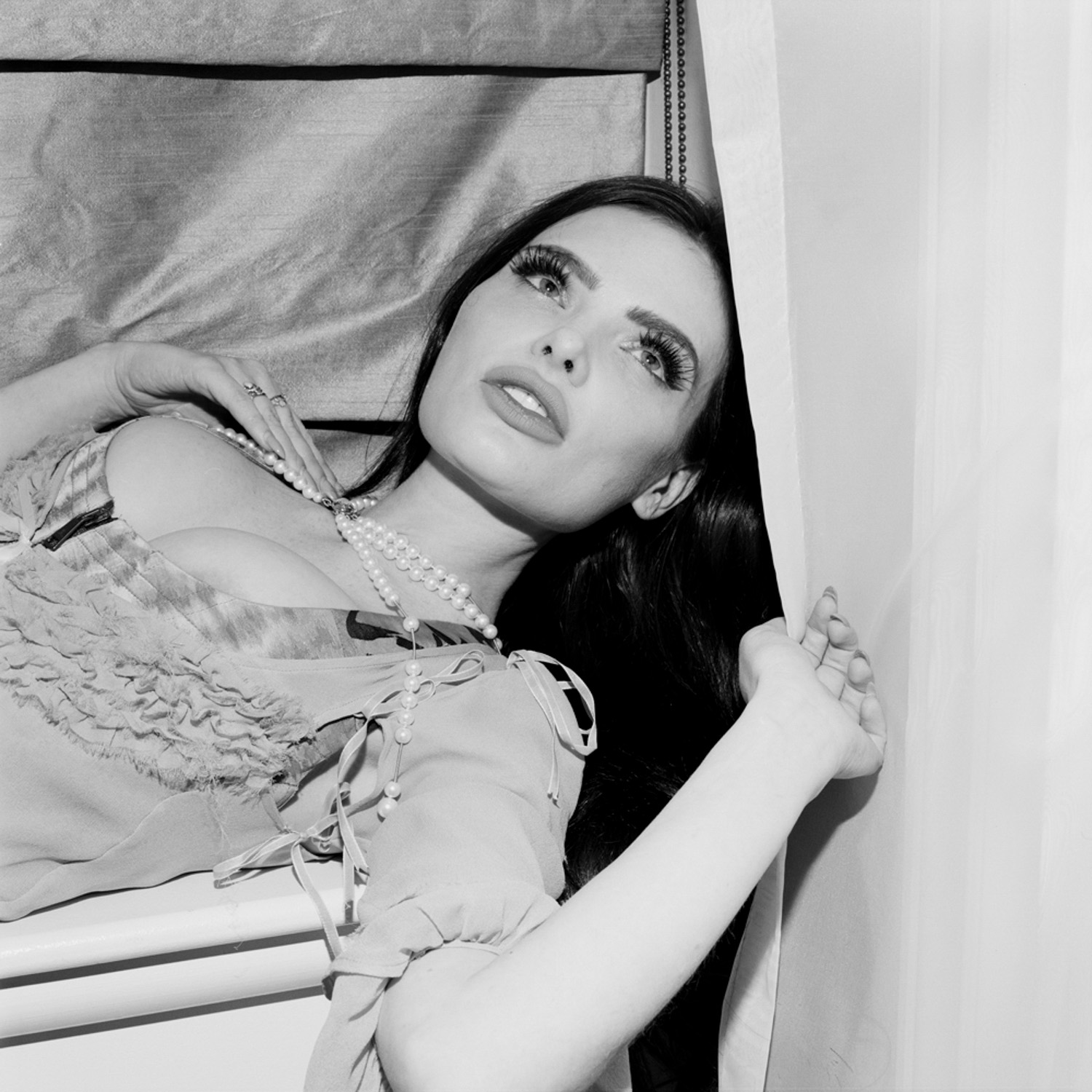
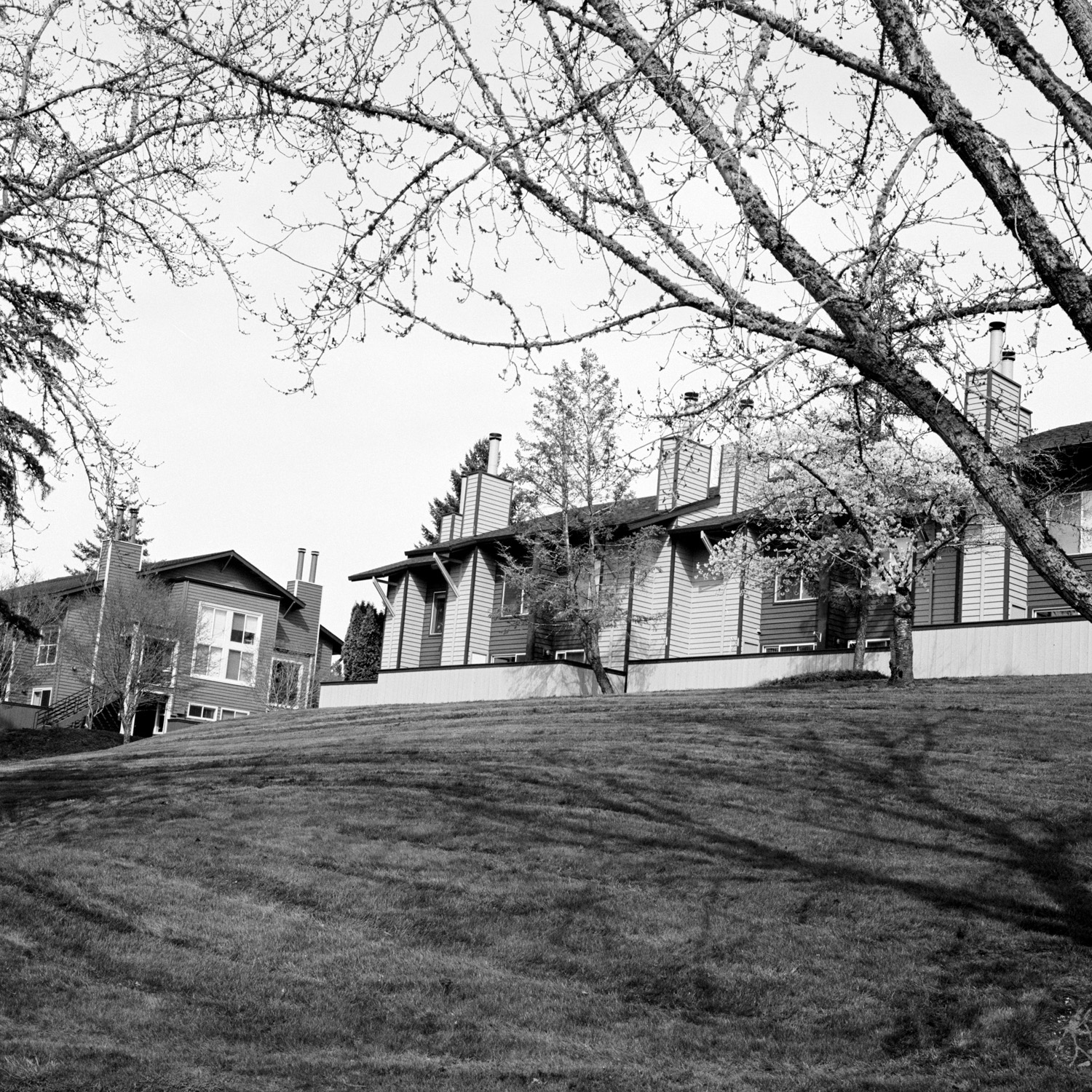
Photographs by Samantha Sutcliffe @Samanthasutcliffe
In conversation with Vodka Vida @Vodkavidanyc
Co-Producer / PR @Verapr.co
Raised in the quiet contradictions of suburban New Jersey and shaped by the restless churn of the city, photographer Samantha Sutcliffe has spent her life observing what people reveal—and conceal—when the camera is present. From taking her first photographs at four years old to stepping away from event photography in search of something more honest, Sutcliffe’s work interrogates identity, performance, and the emotional residue of American life.
In conversation with Vodka Vida, Sutcliffe reflects on the myth of the linear narrative, the exhaustion of personas, and why freezing a moment is no longer enough. What emerges is a meditation on memory, anonymity, and the spaces where empathy still survives—between the suburbs and the city, between who we are and who we’re expected to be.
Vodka Vida: When did you start working with photography?
Samantha: I took my first photographs in 1994 when I was four years old. My father always had a camera around and he documented my whole upbringing. He recently archived all of the work and I’m really grateful for that because I can look back and see everything that’s been forgotten. It’s sad and beautiful all the same. We are both from New Jersey. Do you recognize a suburban aesthetic in any of the images?
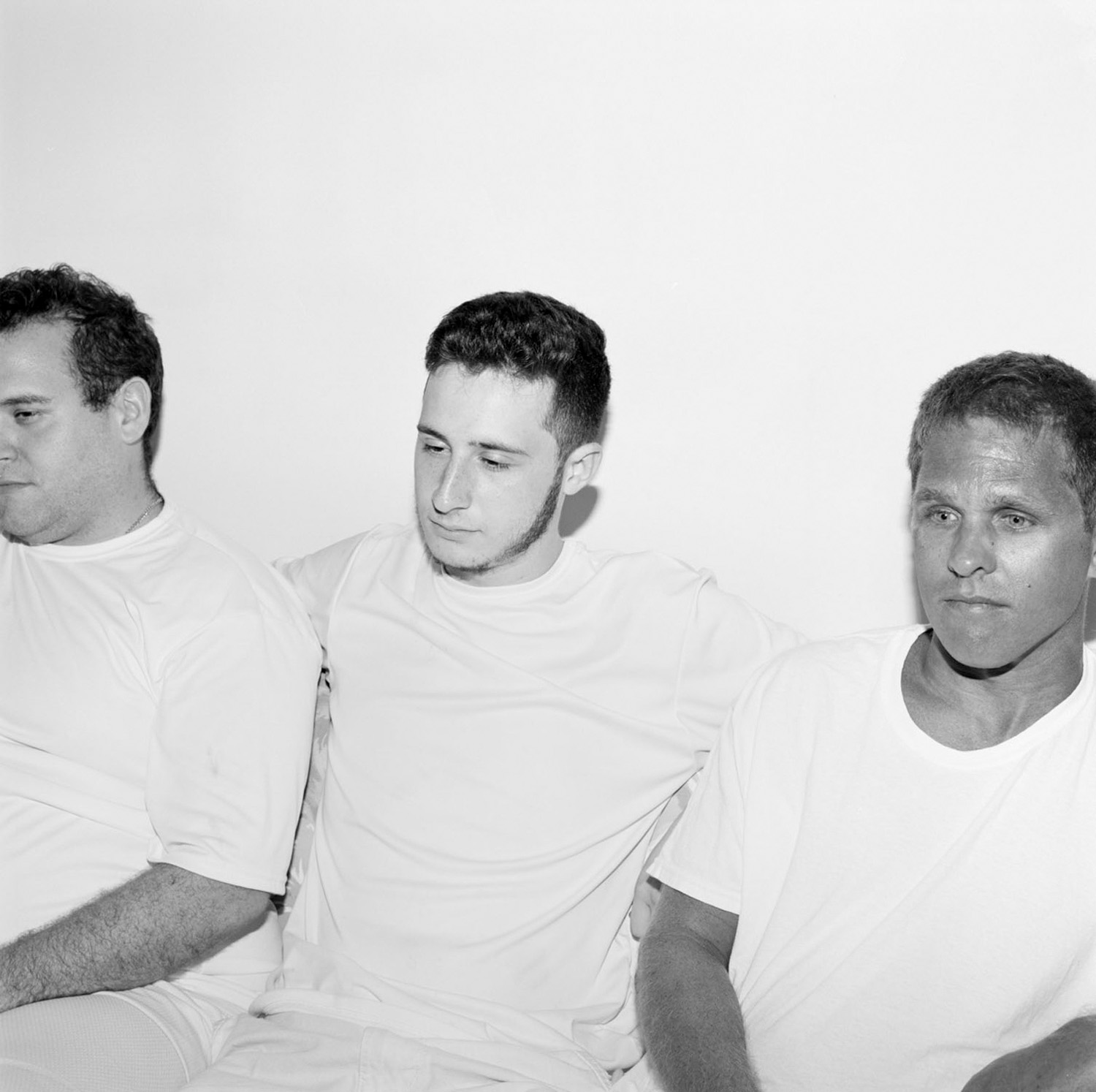
I am having a hard time distinguishing the locations. The photographs feel stripped down and very American. I recognize the emotions of the people because I see myself in them. Like the photograph of the three men on a couch. I can see and hear what is not depicted: the booze and top 40 radio. I know that couch and I know that party. How would you describe the differences between culture in the suburbs and in the city?
That’s interesting. Those men on the couch are from Philadelphia. They spent their summer at the Jersey Shore working on the beach. The Jersey Shore is notorious for stereotypes created by tourists and the television series on MTV, but that subculture only stays for the summer months. In the winter time it’s quiet and lonely. I think nowadays the differences between the culture in the suburbs and in the city are nuanced because the internet allows for more outlets of communication and expression for those on the outskirts who desire subculture. Culture disseminates between the suburbs and the city. The city has artists and influencers who are eventually mass produced and sold back to suburbia. During that process things are stripped down, commercialized, packaged into advertisements and presented as a brand. I am much more interested in studying the behavioral differences. You mention feeling connected to the emotions of the people in the portraits. I think that makes sense because emotions are universal and representative of human behavior. We are affected by our surroundings.
Do you think the image can create a stronger connection to oneself?
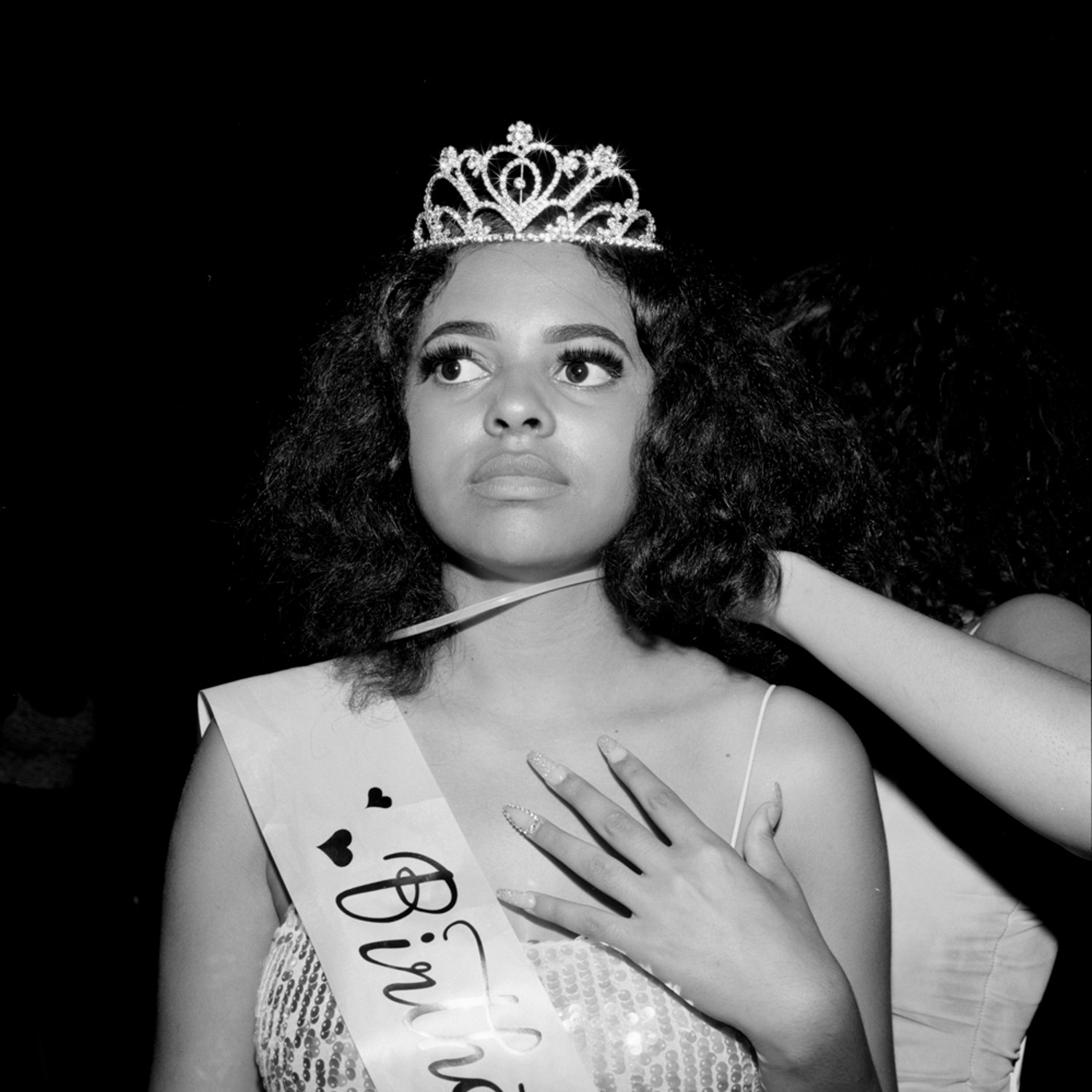
I think the connection, if there is one, is created between the photographer and subject. The camera captures the connection that is turned into a memory we can stare and project onto. I am drawn to people who leave their lives behind to start something new. In these circumstances the photograph can validate a new existence, and I think that is really important for anyone who feels disconnected from themselves.
What is your favorite photograph taken in New York City from the series?
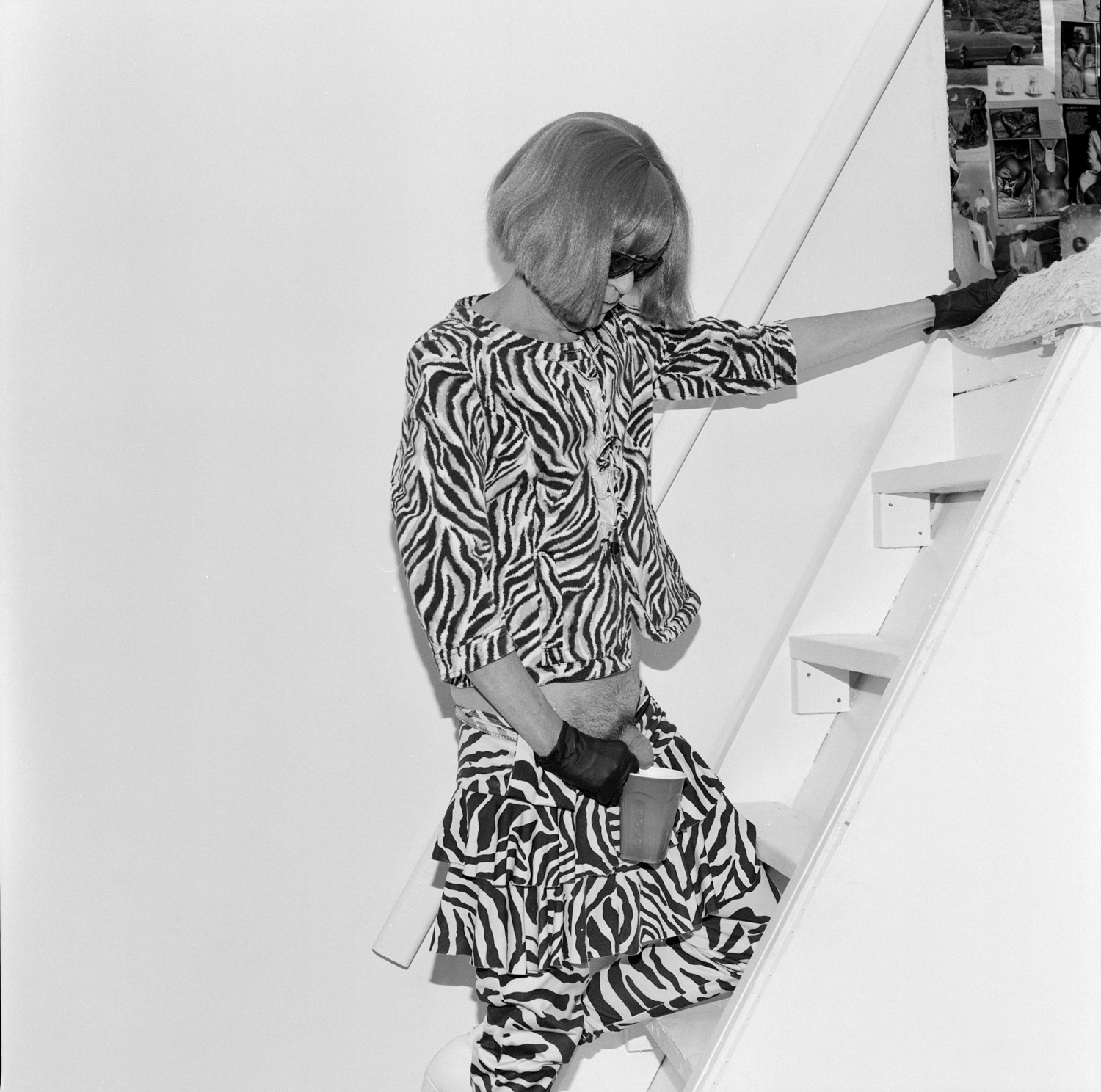
This portrait of Caroline Calloway that I took at a private literary reading on the Upper West Side. I had no idea who she was, but I was directed to capture portraits of her because she was well known. I did a photo shoot with her on the stairwell and later that night she ended up in tears. It reminded me of the house parties I would go to in high school. Alcohol, social cliques, and no one is actually your friend.
How do you feel about your position as an event photographer?
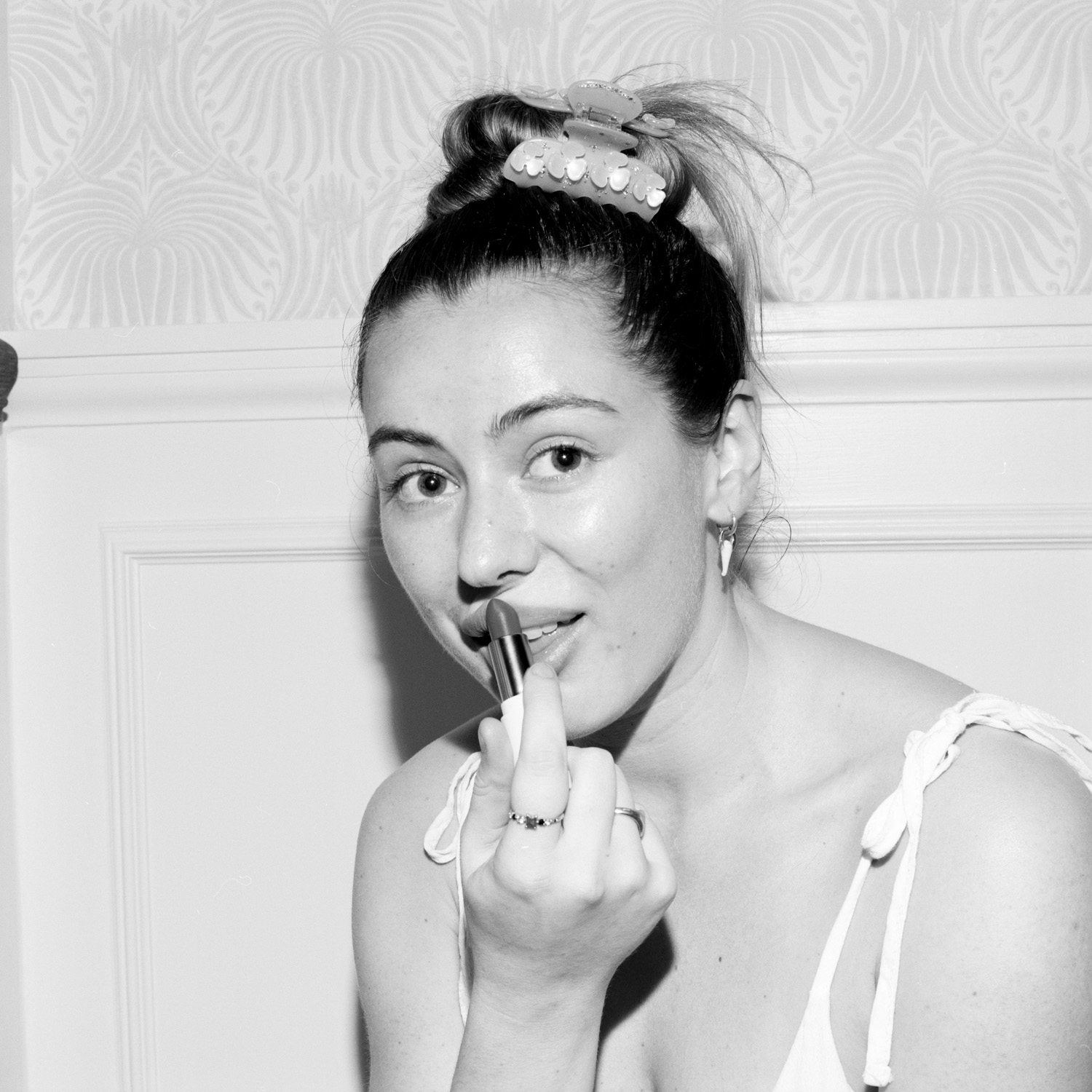
I quit event photography two years ago. I hate being seen but I love taking portraits of people. When I used to do events I would pick people out, bring them aside, and do photo shoots. That was always fun, especially with people that I did not know. Working an event is different than photographing in the suburbs. The entry point to event photography always felt superficial and hard to reckon with, you are creating an image of someone for consumption on social media.
What do you think about personas?
I think now more than ever people want to get away from their past. They want to take control over their narrative, but that doesn’t mean you can control how others perceive you. Judgement is a symptom of our generation. I think personas are inauthentic and create further disconnection from one another. Think about the discomfort people experience on a day to day basis from just existing. I’m a fan of anonymity that allows us the space to be our true selves without worrying about how we are perceived.
That reminds me of a quote from Kathy Acker’s My Death My Life by Pier Paolo Pasolini “Each statement is the absolute truth – and an absolute lie – because I’m changing all the time.” Would you say complexity is a driving force in your work?
I love that quote from Acker because she is stating that humans evolve. I’ve always been drawn to complexity. The imperfect person. The outcast. People who challenge societal norms. People are losing the capacity for empathy. There is so much judgement in our society today whether you’re rich or poor, famous or not. No one seems to be happy with themselves. Taking photographs is not enough for me anymore. Freezing a moment inside a box without context. I want the people to have a voice. I’m becoming more interested in performance, collaboration and my own personal history of archival material. I want to challenge the biographical illusion.
People’s private lives are extracted into content for online consumption. I understand your hesitation. Especially when content can be turned into a spectacle the meaning behind the image can be lost. What is the biographical illusion?
The biographical illusion is the way people shape and present their lives in linear form. It’s closer to fiction than reality. A heavily edited series of accomplishments with a happy ending. I think that’s boring. I’m much more interested in collaborating with people who have been discarded. I want to give them the space to express themselves and a chance to evolve. Their experiences can tell us a lot more about humanity than a person with an art degree.
That makes me feel better. I never went to college.
You don’t need to pay for a degree when you can pay for a publicist. Education should be free!