
Photos/ Ben Cope
Story /Luna Bacce
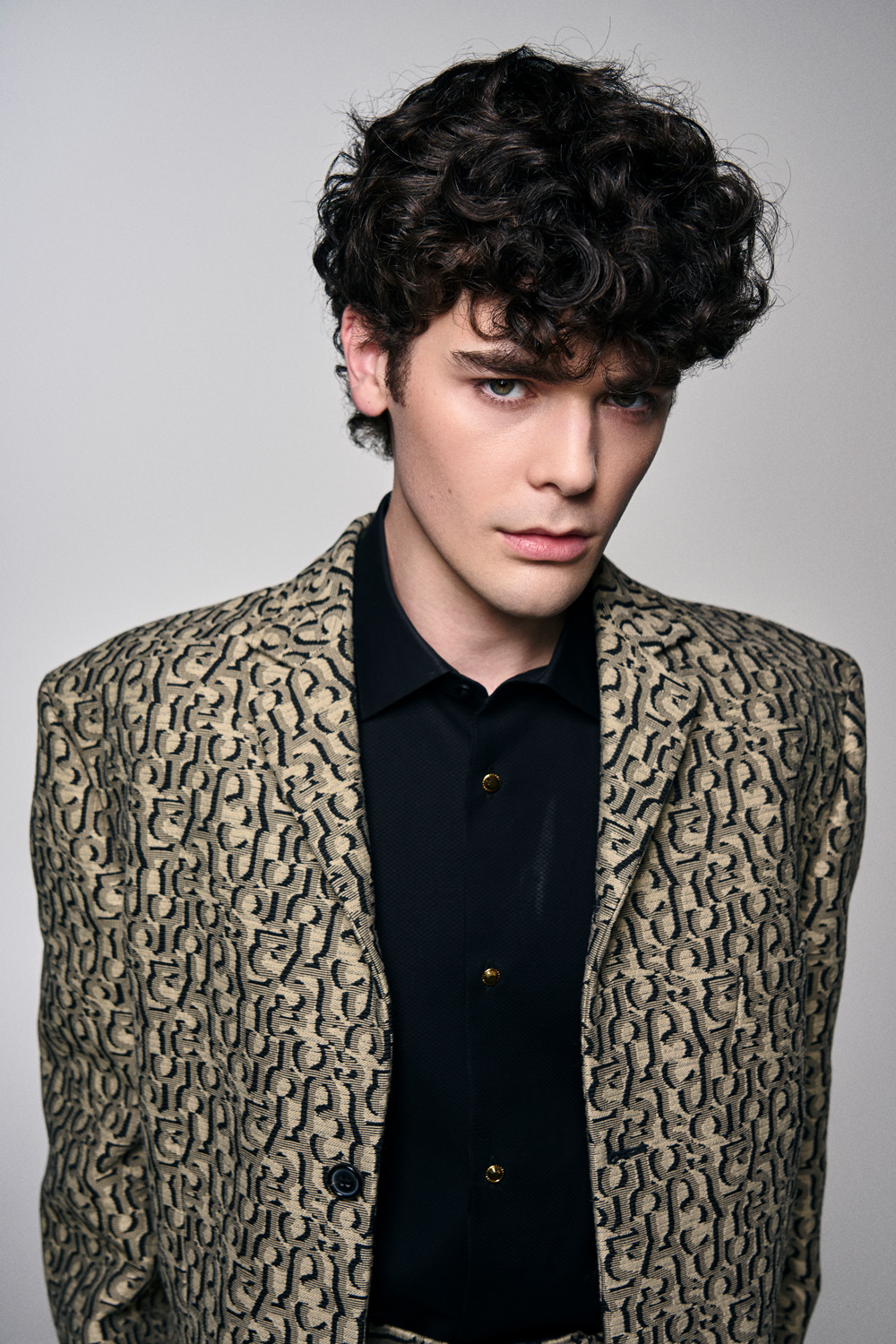
Duncan Joseph’ found a place on the internet where he could test ideas in front of millions of people. As duncanyounot, he turns the strangeness of online life, social awkwardness, and characters who push any situation to the point of absurdity into comedy.
“You Can’t Arrest a Diva,” his new merchandise collection, offers a glimpse of his evolution and points to his intention to create a fashion brand. His interview series explores another side of his work. Instead of following the usual rhythm of a promotional conversation, Joseph asks absurd questions, makes his guests uncomfortable, and plays with the fourth wall.
For Joseph, that expansion is not simply about adding new titles to what he does. Social media gave him the audience and confidence to experiment, but it also changed his understanding of what was possible beyond the format that first brought people to his work. We spoke with him about that transition, the creative instincts behind his comedy, and what he wants to build from here.
Duncan, you built a massive audience through digital comedy, but you’re now expanding into fashion, hosting, acting, writing, and directing. How would you describe where you are professionally right now and the way your perspective on your career has changed?
This is definitely a turning point in my career because social media gave me the confidence to expand what I create. There is a fire underneath me to show the world what I am capable of, and I’m so excited to do so. I viewed the way I made videos online so mechanically, but I think I’m starting to have more fun with it.
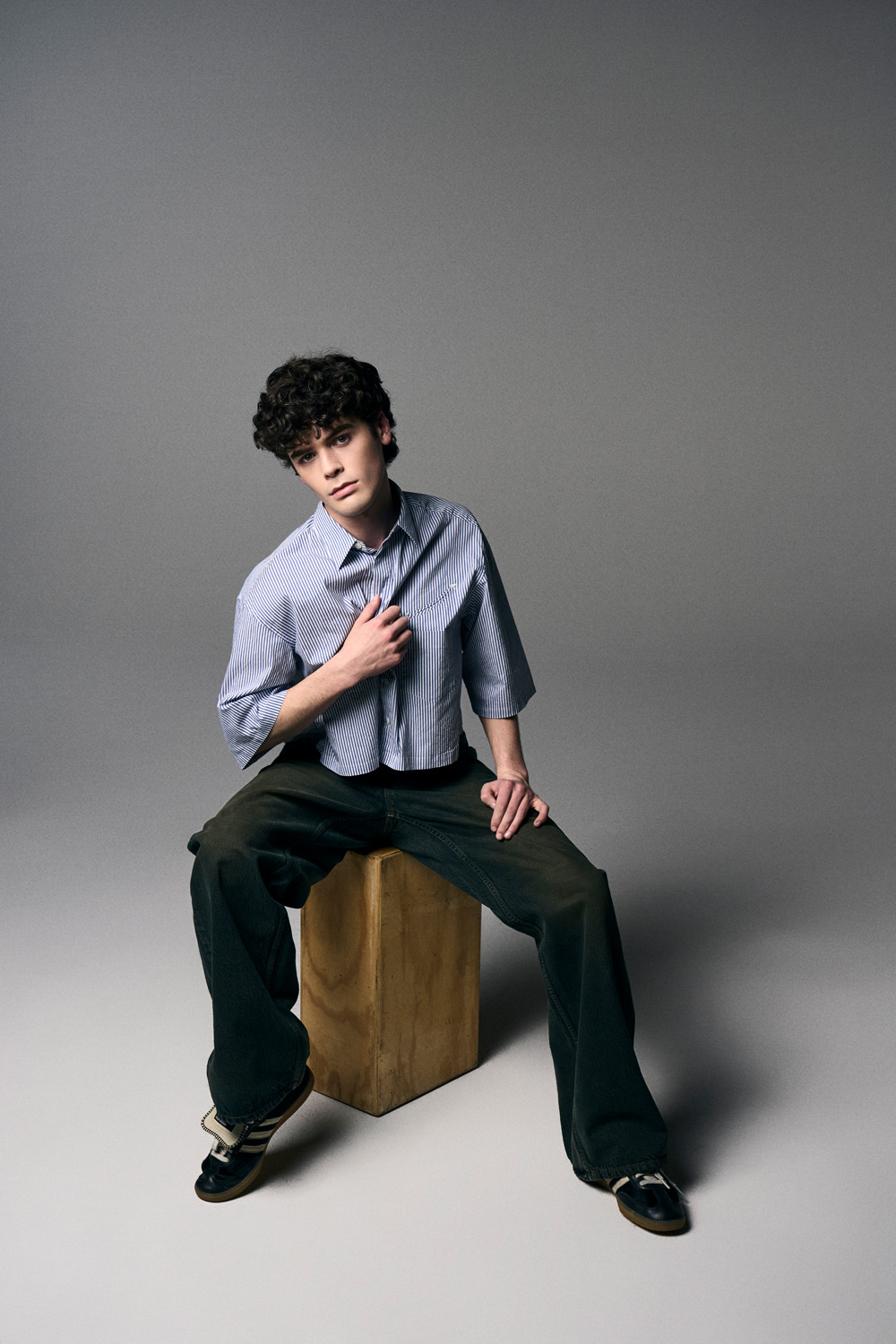
Your content combines surrealist humor with commentary on internet culture. How do you find the balance between creating something absurd and, at the same time, saying something recognizable about what is happening in society?
I think the balance is found in the fact that I find absurdity in everything. When I have commentary on things I see online, it really is commentary on the absurd things we can witness culturally, and I find it so fun to talk about. I think everyone can agree: right now, the world is absolutely crazy. Being able to talk about it in a comedic way is like therapy to me. And when there’s nothing else to talk about, I just make it myself!
You have built a community of more than 9.5 million followers across TikTok, YouTube, and Instagram. At what point did you realize that creating content had become more than a creative outlet and had evolved into a career?
I realized I had a career in front of me when my YouTube channel took off. YouTube really let me turn my creative outlet into a career, especially when I grew my audience on there so quickly. Then I wasn’t just someone who made videos that were viral every once in a while, but a comedian who had a fan base. I’m so grateful that it turned out that way.
A short video can involve a great deal of writing, production, and editing. How do you normally organize your day to develop ideas, film content, and maintain a consistent presence across several platforms?
Honestly, I wish I had a better system, but I write down ideas across multiple apps on my phone. Sometimes it’s a wild goose chase to remember an idea I came up with the other day. I’m doing my best to put a method behind the madness, but I realized I have to write things down with pen and paper for ideas to stick. However, if I know I’m going to film something that day, from the moment I wake up, I need to dedicate myself to completing it.
Many creators feel pressure to post constantly or repeat something that once went viral. How do you manage the demands of the algorithm without losing your creative freedom or becoming limited by the characters your audience already knows?
I’m no stranger to this pressure because I do have characters and bits that people love to see, and that can be very fun for me too. Sometimes I use those ideas as vessels to bring something new to the table. For example, when I had my Southern mom character but wanted to troll dating apps, I just made her the one to catfish. I still do my best to experiment with completely new ideas, but I think they usually stick if I’m having fun, and then my audience will have fun.
You are now developing a series in which you deliberately play with the idea of being a bad interviewer. How did the concept come about, and what comedic possibilities did you see in breaking the rules of a traditional interview?
I’m just a troll at heart, so when I wanted to interview a Southern mom, I thought it’d be funny to be as unserious as possible. But I think I have always felt socially awkward, so using that to my benefit to create the most awkward show possible is very fun. The show also feels like a playground for me to test new ideas because there really are no rules, so everyone is in an experiment for the most absurd ideas I have.
The first episode features TaraYummy. What did that first conversation teach you about the format and the type of interactions you want to create with future guests?
I think that episode taught me never to hold back in this format. My favorite moment was when I broke into her house, and I want to create more moments that break the fourth wall with my guests. Also, leaning into asking the stupidest questions possible is my favorite, ultimately to leave my guests speechless.
You intend to take the series beyond the creator world and include actors, musicians, designers, and other figures from pop culture. What kind of connection do you want to create between digital entertainment and more traditional spaces?
I definitely want to bridge the gap between traditional spaces and digital entertainment. Right now, when celebrities are on internet shows, it’s extremely high production with cookie-cutter questions that we’ve all heard the answers to. I just really want to cause chaos and allow the Internet to see their favorite actors, musicians, designers, etc., be uncomfortable.
Fashion has become an increasingly visible part of your public identity. When did you begin to see it as a tool for creating characters and expressing ideas, rather than simply as an aesthetic choice?
It was always hard for me growing up to express myself using fashion. So when I moved to Los Angeles and New York and became friends with people whose identity was based around fashion, it opened my eyes. I think an outfit can change the energy of a scene just as much as the soundtrack. Especially with my diva characters, it was important for me to have them dressed to the nines. But I think the shift started when I didn’t have access to my mom’s puffy coat closet anymore when I moved out.
Your style draws inspiration from couture, camp, and character design. How do you decide which elements to incorporate, and what do you want to communicate when putting together a look?
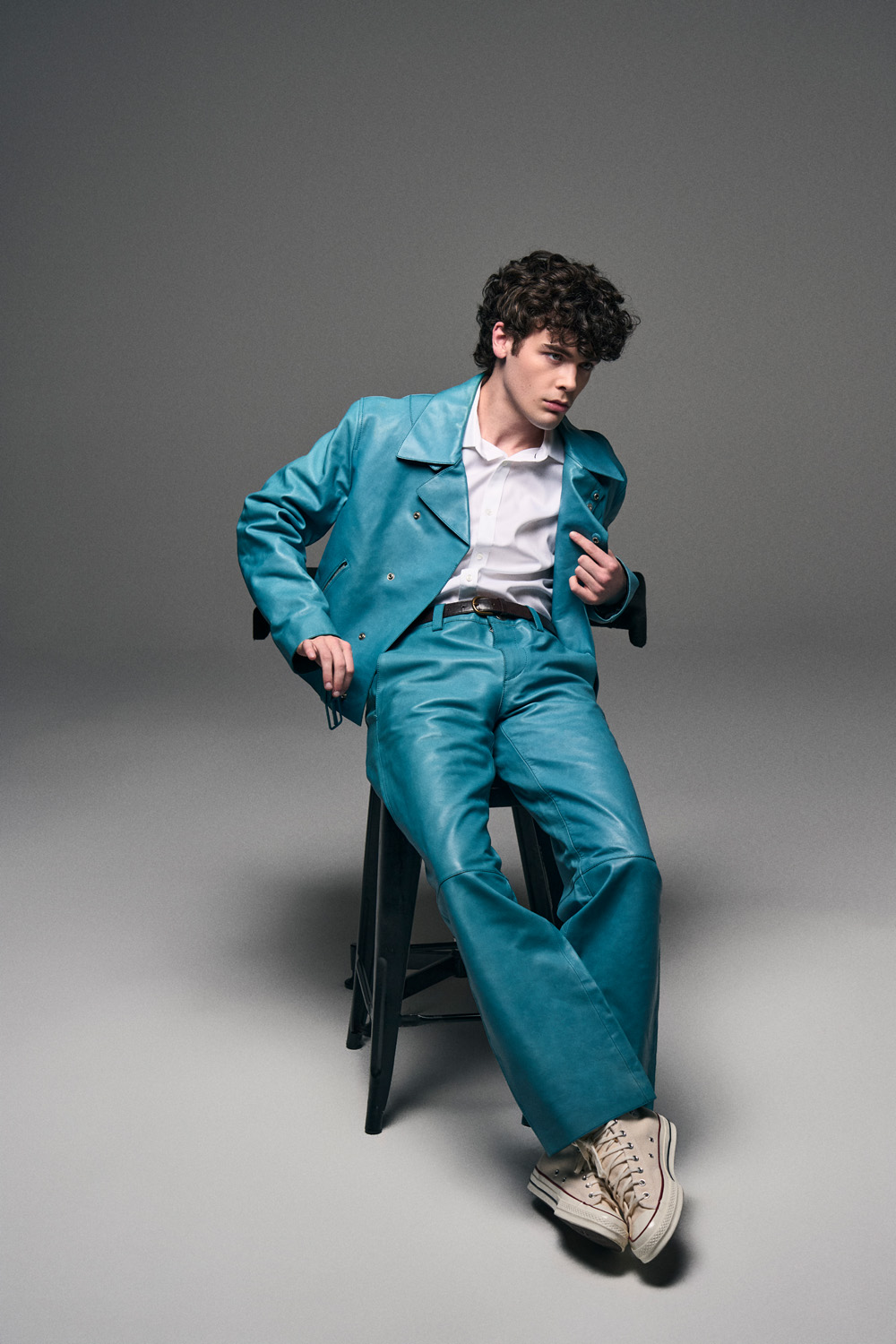
It really is just based on a feeling. I wish it was more methodical, but when I’m trying to express a character as much as I can, I just reach for the gaggiest clothes. I think my main motivator is that you could have the video on mute, but see my character’s outfit and know exactly what’s going on.
In addition to creating content and hosting, you are developing projects as an actor, writer, and director. What stories or characters are you interested in exploring through these new formats that you have not yet been able to show on social media?
A lot of the characters I present online are over-exaggerated caricatures of people we never really have the chance to interact with. However, I think it will be fun to start creating characters that are relatable and have a little more dimension than just a southern mom doing a prank call. I really want to pull from vulnerable parts of myself when creating these new characters that aren’t just a parody of someone silly.
Where do you see yourself five years from now?
I see myself with multiple projects out in the world that I’ve either directed, written, or acted in. Maybe some of those short films live on my YouTube channel, but I want to enter the professional entertainment space and not just be known as a digital creator. I’m excited to create things that I am even more passionate about and really have the world know me more for my creative vision rather than just my commentary.
Joseph has no intention of leaving the internet behind as his work expands. The years he has spent creating online have given him a particular understanding of comedy, visual storytelling, character, and audience, all of which he now wants to carry into the other formats he is exploring. Fashion is also part of that process. A costume can define the energy of a scene or make a character’s identity clear before they say a single word. Acting, writing, and directing, meanwhile, will allow him to step away from parody at times and work with emotions that are closer to his own experience.
CONNECT WITH DUNCAN