
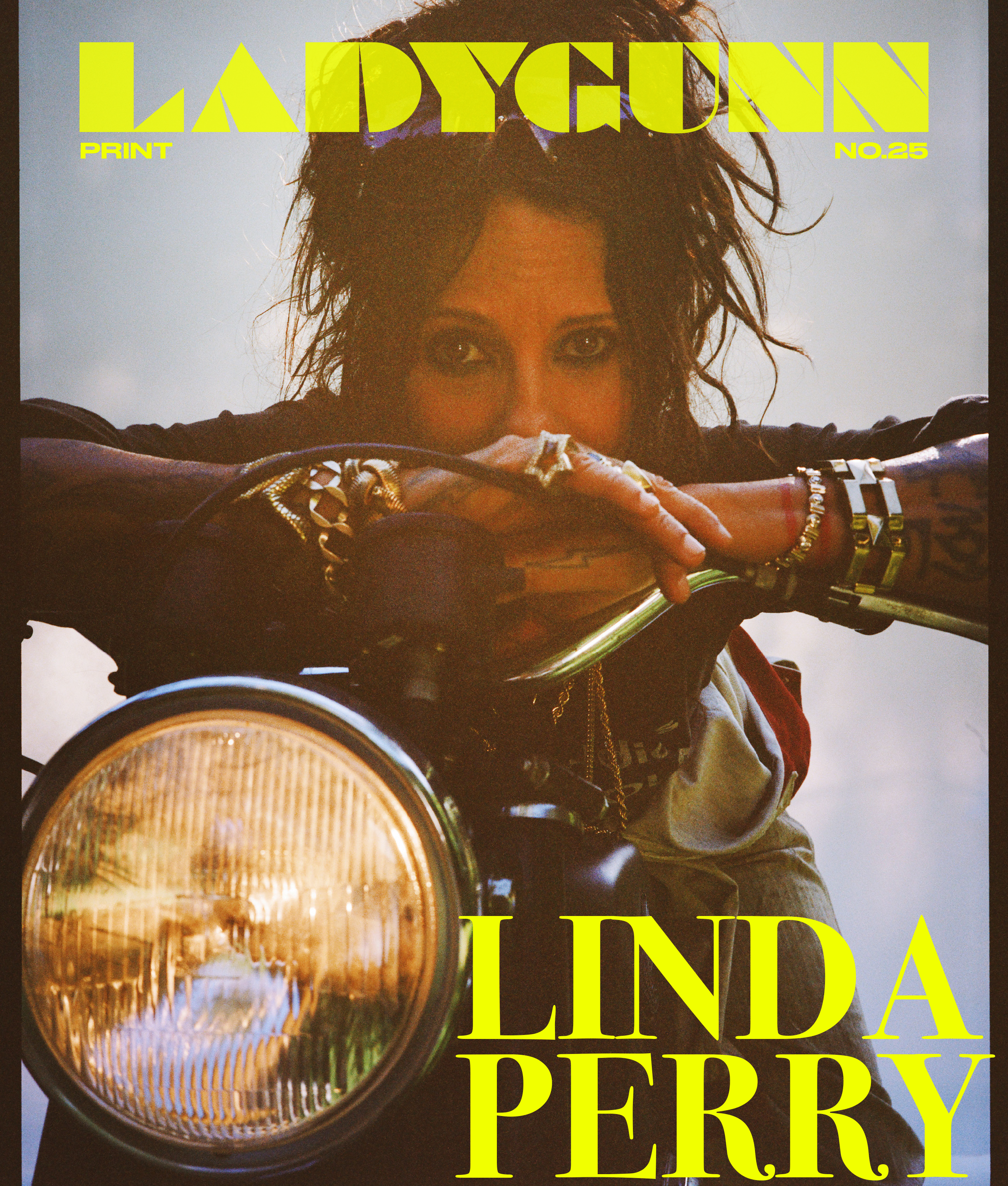
In Conversation With / Annika Bennett
Photos / Jason Rodgers
Styling / Gara Rose Gambucci
Story / Bri Ng Schwartz
Lighting Assistant / Dennis Lin
Editor-in-Chief / Phil Gomez
Founder / Koko Ntuen
The public perception of lyric-forward, emotional storytelling through song has varied decade to decade, especially coming from the female perspective. The late 90s brought about a movement of angsty young women with honest stories to tell. Y2K brought about a fusion between this and more catchy pop songs with simpler lyricism to reach wider mass appeal. In the 2020s, we are seeing the ways in which these genres coexist.
Linda Perry has always existed at these intersections. To her own front-facing artistic persona in 4 Non Blondes to her writing for mainstream superstars Christina Aguilera to P!nk, the lyrical mastermind has had career longevity that most do not get to see in their lifetime. Through her unapologetic approach to artistry and collaboration, she has carved out a unique place in the music industry.
After decades of giving voice to the biggest artists, Linda Perry takes center stage with her solo debut Let It Die Here and a documentary of the same name. Both explore Linda’s fraught relationship with her recently deceased mother and her own journey with health, her family, and her ever-evolving career ventures.
In my first encounter with Linda ahead of her show at New York City’s Silver Lining Lounge, she shared wisdom on what she believes sets apart a run-of-the-mill artist from a legend and navigating music development in a more tech-forward world than she came up in. Despite our age difference, I saw myself in Linda’s relationship to her work ethic and always striving for more, as well as what it means to be a young woman in the creative sphere.
When I thought of the artists in my generation doing the work of helping artists find their voice while nurturing their own, Annika Bennet was top of mind. A songwriter behind the viral Role Model hit “Sally, When The Wine Runs Out” along with credits spanning from Chappell Roan to Conan Gray, Annika follows in Linda’s footsteps of pursuing her solo work along with her band, Whale Songz.
Getting Linda and Annika in a *virtual* room together was like catching lightning in a bottle. The parallels between the two and genuine curiosity about one another’s process created grounds for an incredibly rich conversation between two pros on vulnerability in their shared craft.
*This interview has been edited for clarity and length
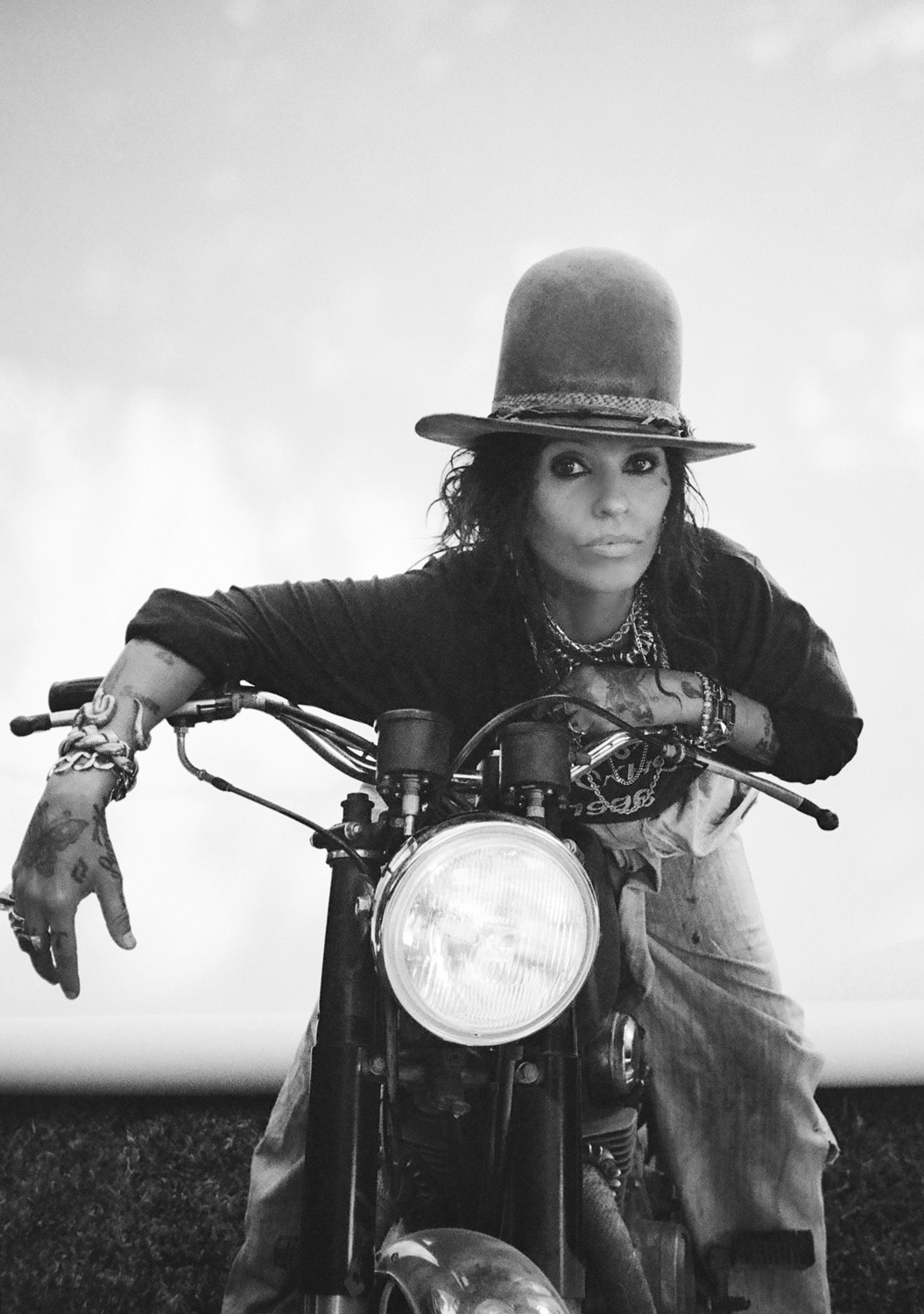
AB: It’s so nice to meet you. I’ve obviously known of you forever and I’m honored to be able to ask you questions.
LP: You’re doing amazing work too, and I think there’s an open dialogue that needs to happen musically right now with songwriters, the artists, and the audience. It’s about pushing the boundary and really trying to get those melodies that are classic, and you really do a great job with that. One of my questions for you was in your songwriting, what’s going on in that room? Is there a collaboration of a few people? How does it work?
AB: Similar to you, I write a lot on my own, by myself in a room. Then I write with other artists. [In the studio] it’s usually a producer, me, and the artist. I used to think that writing with other artists was about trying to write the best song possible. Now I’m just trying to help this person’s vision get across. Usually it’s more shaping melodies, or hearing the things someone’s saying and then finding the concept in it. I produce too, but I haven’t found my flow yet being the one that’s running the session. But you do a lot of that. You’re the producer in the room.
LP: I’m the engineer, I’m the producer, It’s just me. I have my instruments, I have all my stuff around me. If you and I were hanging out in the room, we would talk and then I would start hearing the song based on what you’re talking about: the tone of your voice, the energy of your emotion, and then a song is created from scratch. I put the microphone in front of you. I’m going to have you ad lib, but I’m going to ad lib first to make you feel comfortable. Then all of a sudden, that communication is going to start happening.
AB: What you just said about ad-libbing first to make the other person feel comfortable, that felt like the tone of the documentary in the most amazing way. I feel in music, it’s so much easier to be vulnerable in a container of a finished song. In your documentary, you’re truly vulnerable by showing the process and then showing your real emotions. I’m curious if that’s always been a side of yourself that you felt very comfortable with? Or if that’s something that you’ve grown into more?
LP: I’ve been lied to my whole life, and so it’s been extremely important to me to be honest because it doesn’t feel good to be lied to. I just somehow made it a point early on in my just life to be brutally honest. You have to find boundaries of how much honesty to give because there’s honesty that is hurtful and there’s honesty that is hurtful if you don’t express enough or too much of it.
It’s 11:11. Sorry, I just got to send a prayer to the world right now. I’m not trying to be anything but a warm hug around the world right now. We’re going to be okay.
AB: I always do 11:11.
LP: I always hug the world.
AB: Why not!
LP: We need love right now. It’s powerful to be vulnerable, it’s powerful to be honest, and I’ve just always been like that.
AB: Being raised on social media, you see a lot of perfection and a lot of manipulative vulnerability, like somebody crying to go viral. I was really moved by seeing true vulnerability [in the documentary]. I just saw myself, especially in the songwriting process. How did it feel to watch yourself writing? Have you ever seen your songwriting process reflected back to you in that way?
LP: No. There’s things going on in this documentary that are just shocking. I had to say at one point, “Oh my God, I want to hug that girl,” because I couldn’t even see myself in it. Recently, an artist reached out to me and I heard the music, and I just wrote back and I said, “Listen, I’m not trendy. I’m not looking for hits. I just am trying to find emotion, and I don’t think I’m the right person for you. It sounds like you’re chasing a sound, and that’s just not who I am.” I come from such a pure, raw state that a lot of people find that space intimidating because they don’t know how to explore that. That’s why I was interested in your process. How old are you?
AB: I’m 28.
LP: Okay. I’m 61. There’s a big gap there, right? And I’m not saying I’m great. I come from a different era, a different writing process. There was no social media. This is a whole new world that you are brought up in. But with that, there is a responsibility as a songwriter. It’s artists like you that are extremely important. You’re just starting, kid. You got a long way to go, and if you continue the way you’re going, it’s going to be amazing.
AB: Thanks. I write my own music, and that’s always been the thing that anchors me. All of the artists I’ve worked with, they want to work with me because they hear my music that I write for myself. I think maybe you also feel this, if somebody knows my music and then wants to be in a room with me, I have a feeling that they’re at least wanting to make something vulnerable since all of my solo music is sad as fuck.
I always have such a hard time when someone wants to write a song that’s flexing. The whole song is just a big flex. I feel a lot more comfortable creating from a place of writing about things that are vulnerable or sad or saying I’m not the best person in the world.
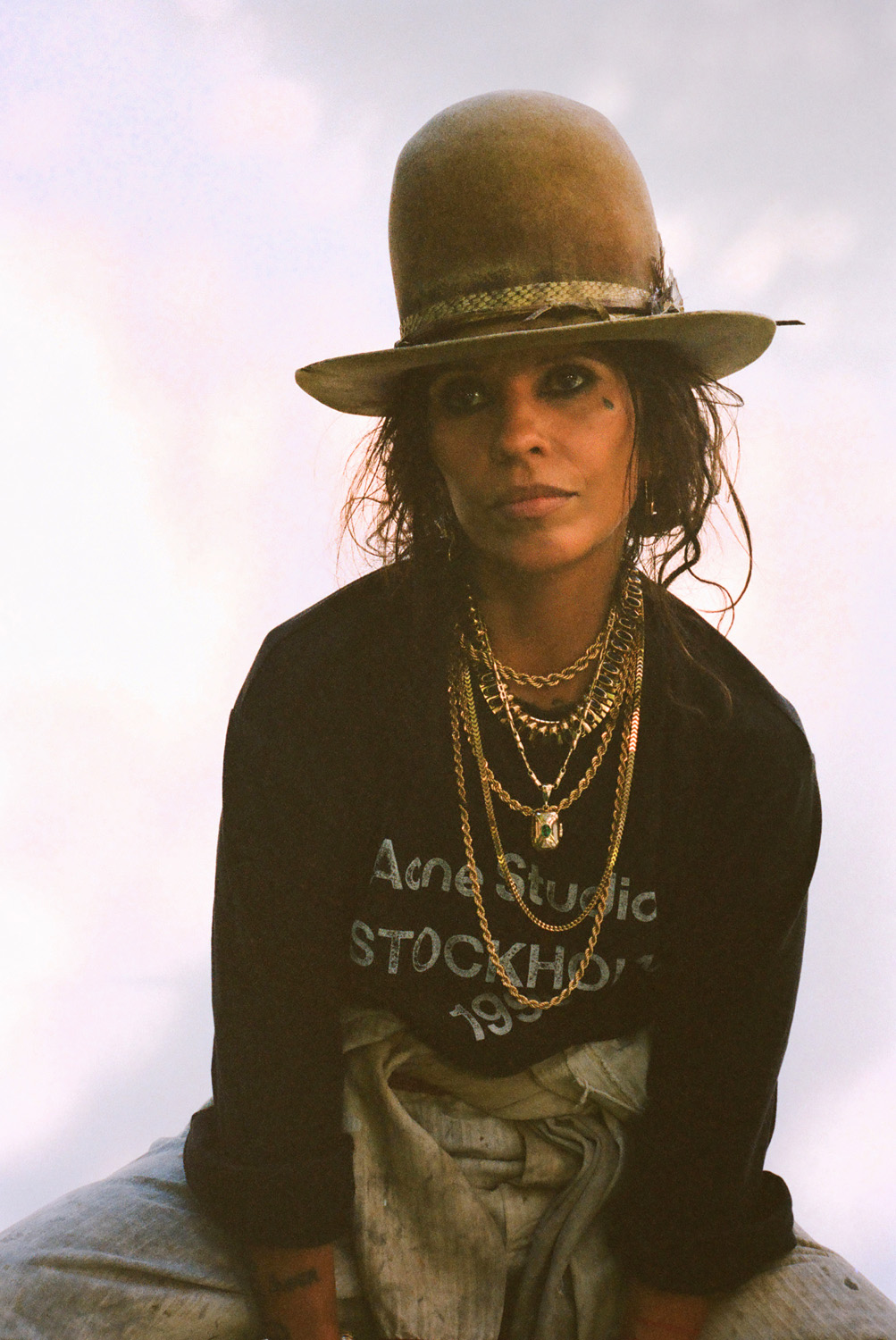
LP: Do you have a favorite song that you’ve written with somebody that you feel has a lot of you in it?
AB: The first one that comes to mind is this song I wrote with Role Model that’s called “Slipfast”, but the last album he put out before this new one. I remember when we were writing it, we were just like, “We can never put this out. It’s way too vulnerable.” And it’s basically about the feeling of wanting to blow up your life, but in this kind of fucked up way. And I get that feeling sometimes when I’m writing songs alone where I’m like, “I can never put this out.” And then a few weeks or a month go by and you’re like, “Actually, fuck it.” And so I was really glad that he put the song out, even though it doesn’t make him look good. I just have so much respect for people that put out songs where they’re not looking good.
LP: I have so many of those. There’s so many artists that won’t release songs that I’ve done with them because it was way too vulnerable. “I can’t release this. I’m going to hurt people’s feelings.” I’m like, “You know what? I don’t really care what you do with it. I’m glad that you’re able to experience and know that it still exists in you or that you have these emotions.” I look at myself more as a music therapist than a songwriter. I dig the experience of watching someone go through this emotion they didn’t even know existed. That’s my song. The song isn’t the song. The song is the fact that they’re walking out completely changed from the time with me, and that makes me feel proud. I contributed something to that person, and the song is a bonus if it ever sees the light of day, but I don’t really care. I just love creating.
AB: I always have such a hard time finding the balance between writing songs for myself by myself and writing songs for other artists, when to fill up my cup and when to fill up somebody else’s. What has your relationship to that been? Being such an artist yourself, but also giving away so much energy to other artists?
LP: “Hurt” by Christina Aguilera is a good example. I had just lost dad she’s like, “You know what? I’ve always wanted a song about loss.” And I looked at her going, and I said this to her, I’m like, “You fucking little bitch, you know I just lost my dad. I’m not going to write a song about my dad for you.” And then I just started laughing because it was so Christina to do that. Her and Mark Ronson came up with two notes. I love a challenge, so I took those two notes and made a whole song out of it, and it was about my dad. It’s, to me, probably one of the most beautiful songs I’ve written. I totally cried through the whole session. I would’ve never written that song if it wasn’t for Christina. I didn’t have a great relationship with my father, but I was sad that I didn’t give him the time of day.
AB: So you feel like you bring your artists your emotional self too?
LP: I have to, because even if there’s been times I haven’t liked the person, there’s still a connection. I don’t want a best friend, I don’t want someone to gossip with, and I don’t really need to like you. I just need to know there is a creative connection there. I’ve loved artists that I think are fantastic and had absolutely no creative connection with them. I could write a dumb song with you, but that’s just not who I am. I could take your money, but that’s not what I do.
AB: It’s the same with relationships where if it’s not right for one person, it’s not right for both people. I’ve been in LA for five years, and especially at the beginning it was so much doing what i’m told. If someone’s like, “You should work with this artist,” I would do it. Or someone’s like, “This artist wants to do more days,” and I’m like, “Okay, I’m supposed to do that.” And I think I’m getting to a point now where I know whether I’m looking forward to something or not. I know when something’s on the calendar, if I’m excited or not, and I just try to not do things I’m not gutterly excited about.
LP: Sorry, I have to be opinionated. What you should be looking at is the experience. By working with someone that may be not your favorite, you could be giving them something that they desperately need, or they might have something you need. You’re still young and growing, you can’t grow without experience. You need to understand why you don’t like someone’s energy and how you can turn that around and work for you. Maybe you might not write a song for that person, but you know what? You’ll have a weird session, but after that you’ll go write this really great song that’s going to be for somebody else because something happened in that session that inspired you, but it didn’t happen until after you processed the situation.
AB: I don’t know if you feel this, but I think I go through yes phases. Phases of feeling like I have so much energy and then phases of turning inward. Do you ever wish that you had somebody to do for you what you do for other artists? Or if you know how to do that fully for yourself.
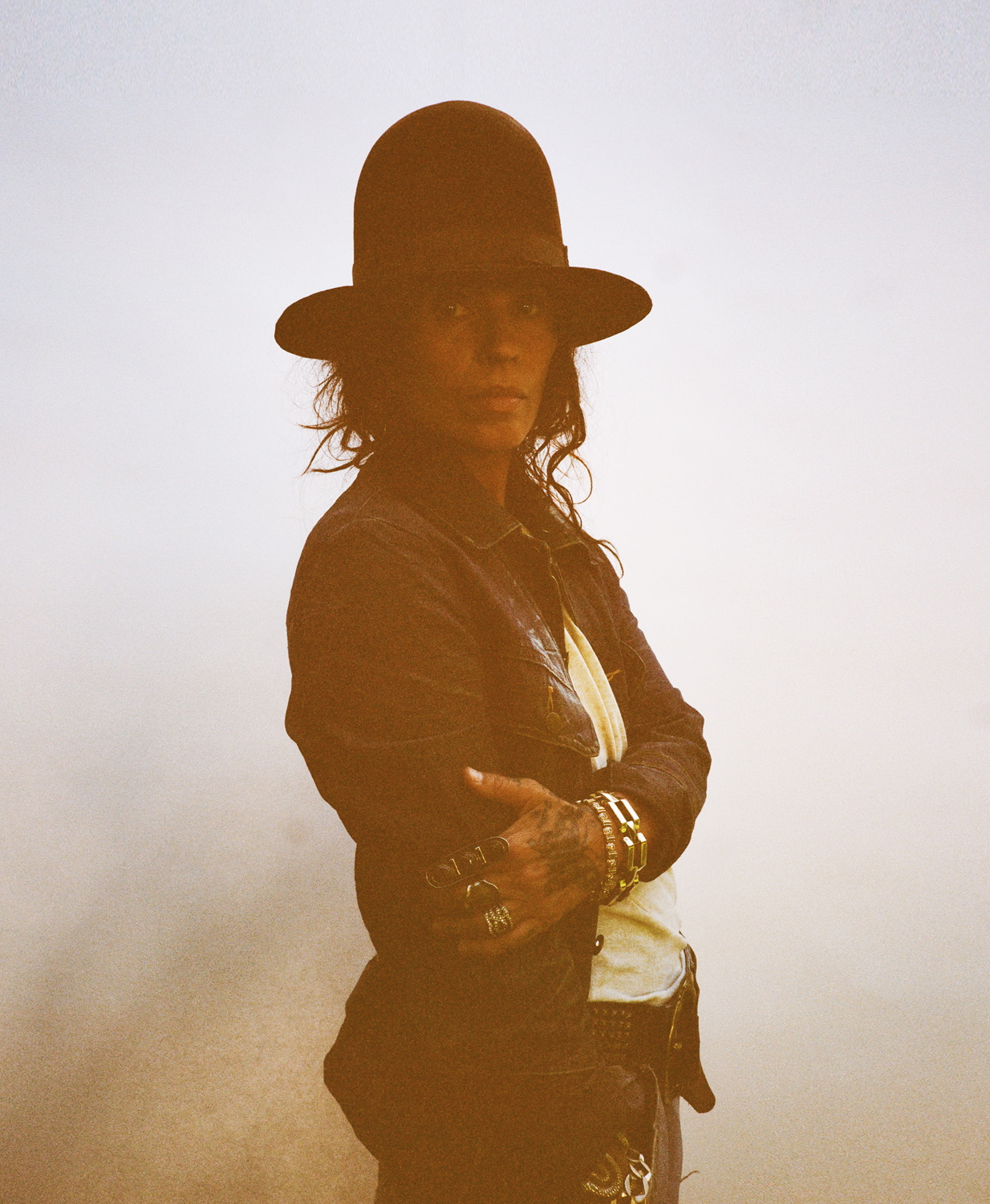
LP: Totally. I don’t think I would get along with a me. What I figured out is that I’m harsh with myself, but I’ll be totally nurturing with everybody else, but really like, “That’s not good enough, Linda. You’re not trying hard enough. That melody sucks. What are you doing?” I’m so bad to myself.
Rhodes, my 11-year-old, is constantly reminding me, “Hey mom, just want to remind you that you’re so authentically you.” She’ll say the most beautiful things like that and it reminds me to stay on track. Although my mom was the villain in my story, she’s an incredible muse for my pain and the artist in me. I am constantly reflecting on her incredible power and beauty. I loved my mom. I think that was my biggest problem. I loved her so much and I was so loyal to her that it didn’t matter the things that she did.
AB: You saw the human in her always.
LP: My mom was flawed, and I always embraced it. I took care of my mom like she was a queen, but I was able to emotionally pull back with her. That was an interesting flip, how I could be in control and still be loving and caring, and not use any of that stuff against her. I just turned it all into art.
AB: I loved “What Lies With You.” In the chorus, there’s a line: “Now you’re gone and there’s no one left to fight” That is the biggest line I’ve ever heard. It’s just interesting. Both my parents are alive, but I’m at this age where I’m really doing all of this inner child work, and it’s interesting how your childhood was your childhood regardless of if your parents are alive now or not. I remember my mom even saying to me once that when her parents died, she felt like “Oh, that’s who you were.” And then you just have to deal with everything.
LP: I’m so used to fighting this emotion, fighting my mom, struggling with manipulation and all this stuff, and now she’s gone and that presence is no longer, so having that space, there’s a void. So when that song showed up, it came in a very loving form. That whole scene at the end [of the documentary] when my mom died, I called the director and I said, “I need to get out of my studio. I need to go in a rehearsal room and I need to put a band together and I just need to fucking jam. If you want to be there to film it, great.” That’s how the whole documentary was. When you’re in 100% raw emotion, the most magical things can happen without an agenda, without an intention. If you just trust yourself, who you are, and that the music is going to come, you just operate from that place and it has not failed me yet.
AB: The feeling of writing something alone that you don’t really know where it’s going yet but you’re trusting yourself, I feel like that is the closest I ever feel to myself. Then I always get scared when it’s been a while since I’ve written something alone, but then it does always come back eventually, which is really magical. I don’t know if you feel that, if you go long stretches. Are you writing all the time or do you take steps back and then let it come to you again?
LP: I’m on tour right now with the Indigo Girls, and it’s been really fun. I haven’t been on a tour like this in years. We were in Washington, DC, and there was this really great bathroom there so I was like, “You know what? I haven’t written a song in a bathroom or played in the bathroom in quite a long time,” because of the acoustics, I always did that when I was a kid. So I went into the bathroom and I took my iPhone, I put it down because anytime I have a guitar or near a piano, a song always shows up. I’m playing two hours later and I’m really random in my set. I’m like, “You know what guys, I’m going to play you the song I wrote two hours ago in the bathroom.”
Rarely does anybody actually go play the song before it’s recorded. On stage playing it you’re getting instant feedback, a lot changes there. The key can change. The tempo can change. The lyrics may not be hitting or we don’t need this bridge at all. So you get this opportunity to really explore what the song is and then you record it.
AB: I love one extreme or the other. Sometimes when you’ve just written something, there’s this vulnerability to it that if you capture it in the moment where you wrote it, it’s just its own thing.
LP: Absolutely.
AB: But I completely agree. You hear a song when you’re playing it for somebody else. One of my friends in LA does these little song salons where everyone sits in her living room and goes around and plays a song, ideally something that’s very fresh. I always try to play a thing that I just wrote. You just feel it for better and for worse in every cell in your body, and then the parts that work you feel and the parts that don’t. I couldn’t agree more that that’s such a valuable part of the process that’s pretty lost now.
LP: What I’ll do is once we write the song, I’ll make sure when we demo it down acoustically or piano, and I’m recording the vocal the best I can for that very reason. To catch that vocal at its purest, most rawest, most emotional moment. Because yeah, sometimes you can’t get that back, but sometimes we do productions that are completely wrong because we don’t really know what the song is.
AB: Having this [solo] album out, does it make you want to make another one? Or does it make you want to do something else for a while?
LP: This album has been really healing for me. It’s been really fun exploring who I am. I think for my next adventure, I want to do a country Americana record. My older Linda doesn’t want to be so negative, and I want to explore a good feeling record. I’m just in a really good space of opening up and exploring different emotions now that I have lived in so much torture and darkness and depression. I think I’m open to seeing if there’s a lighter side to me that I can open up more.
AB: That’s beautiful. I’m stoked that you’re continuing to make music for you.
LP: It seems fun. But you know what? I think it would be fun to dig around and see if we could write something too. I would be totally into that if you’re up for hanging out. I like the vibe that we have.
AB: I would be honored to have that.
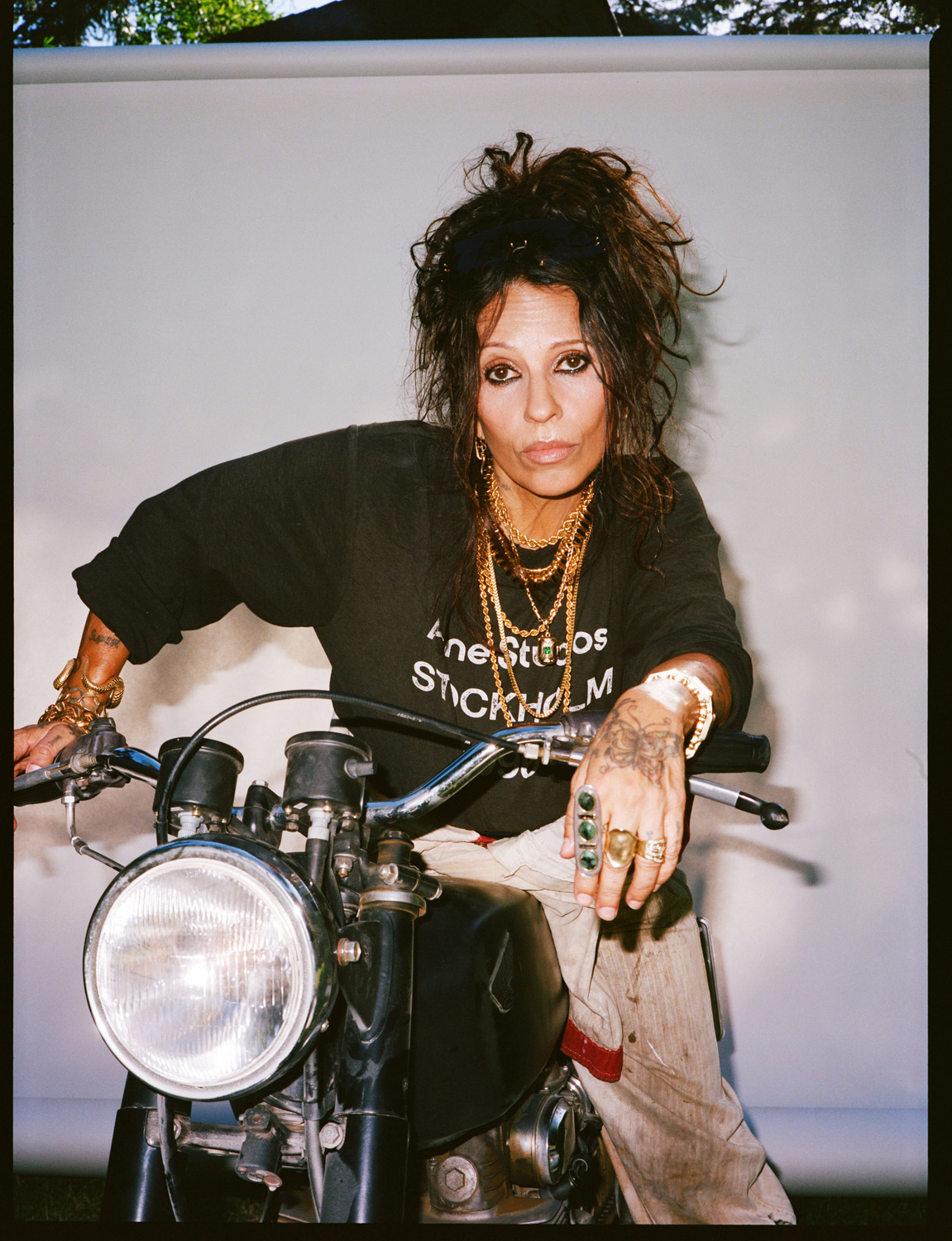
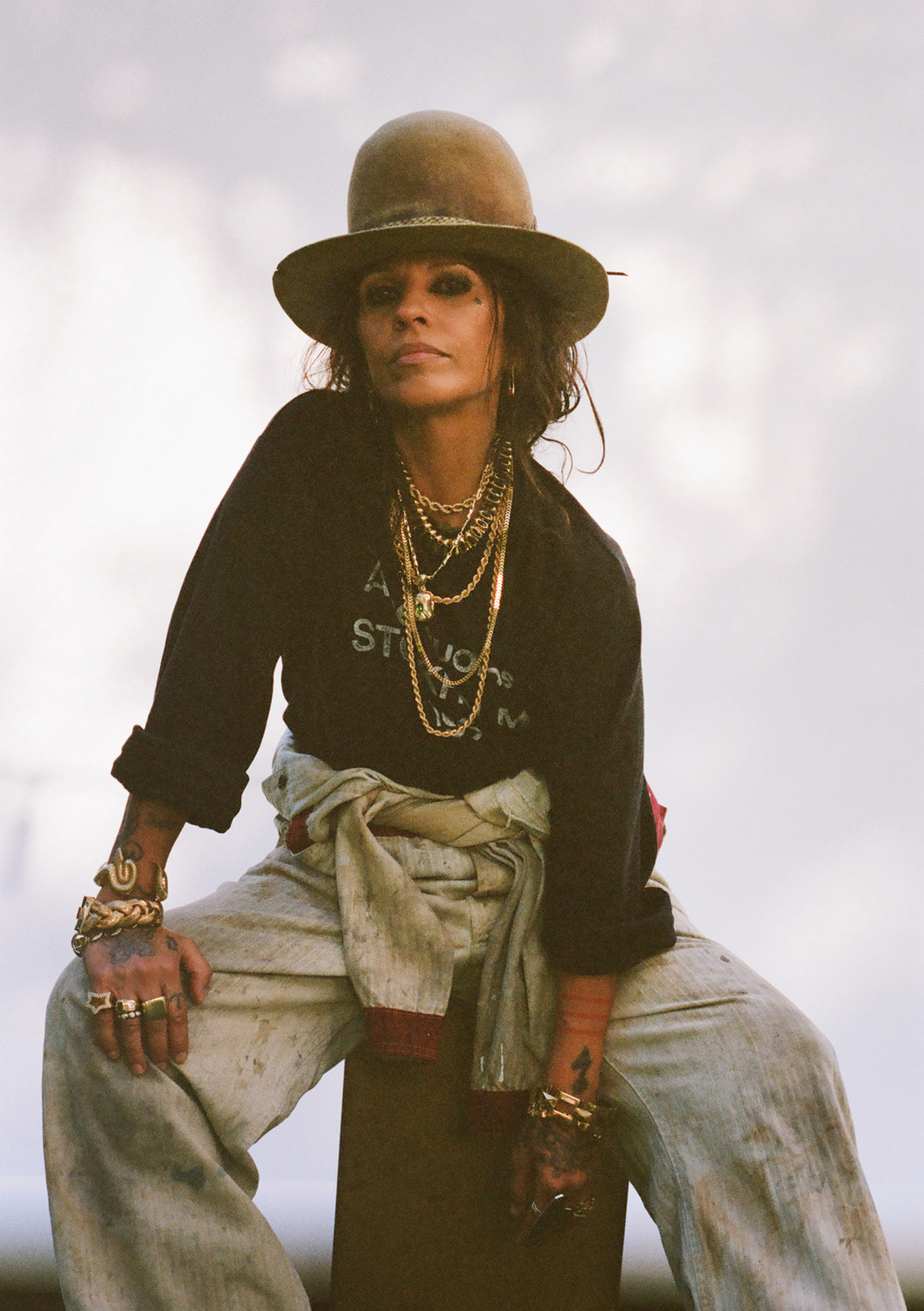
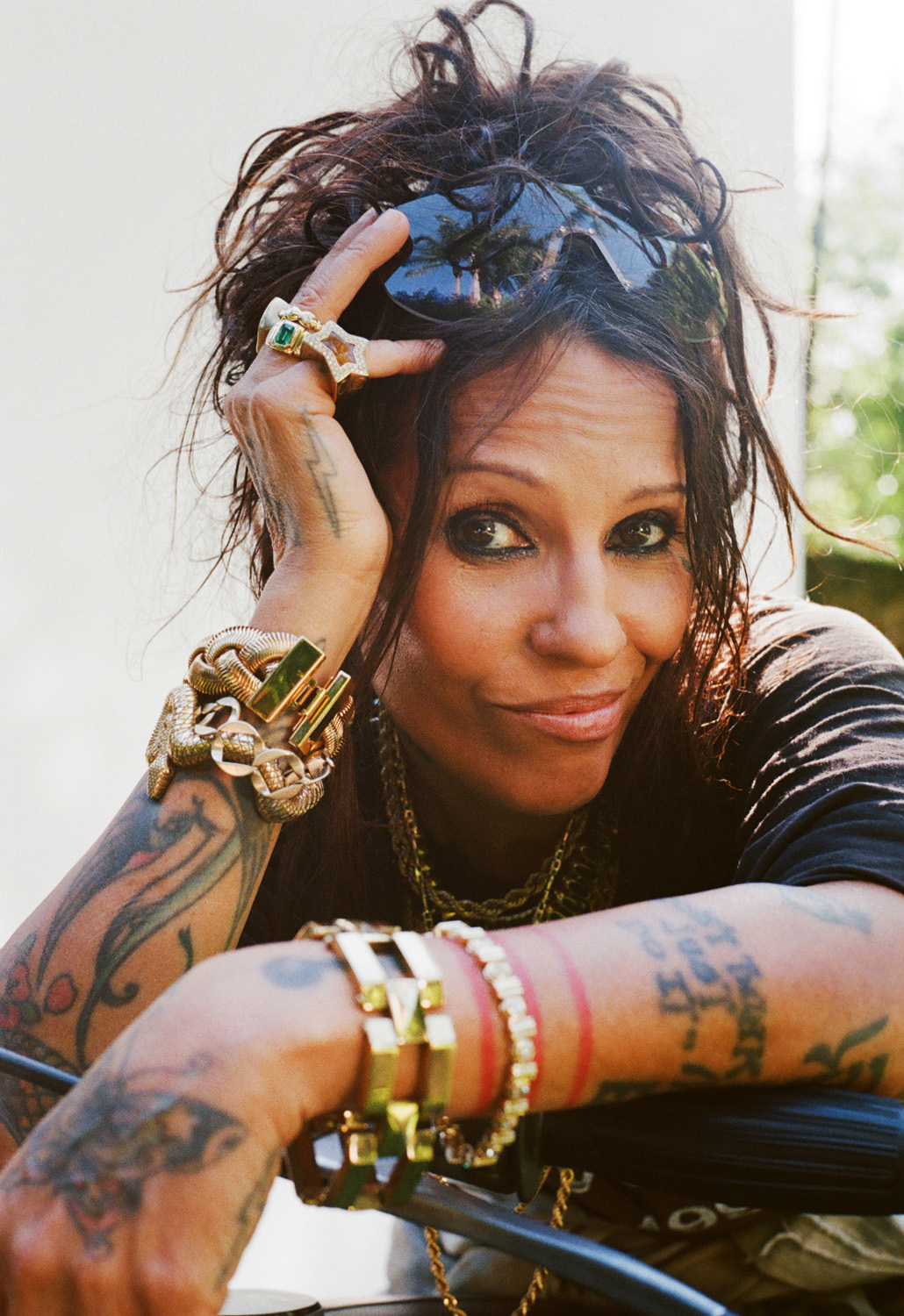
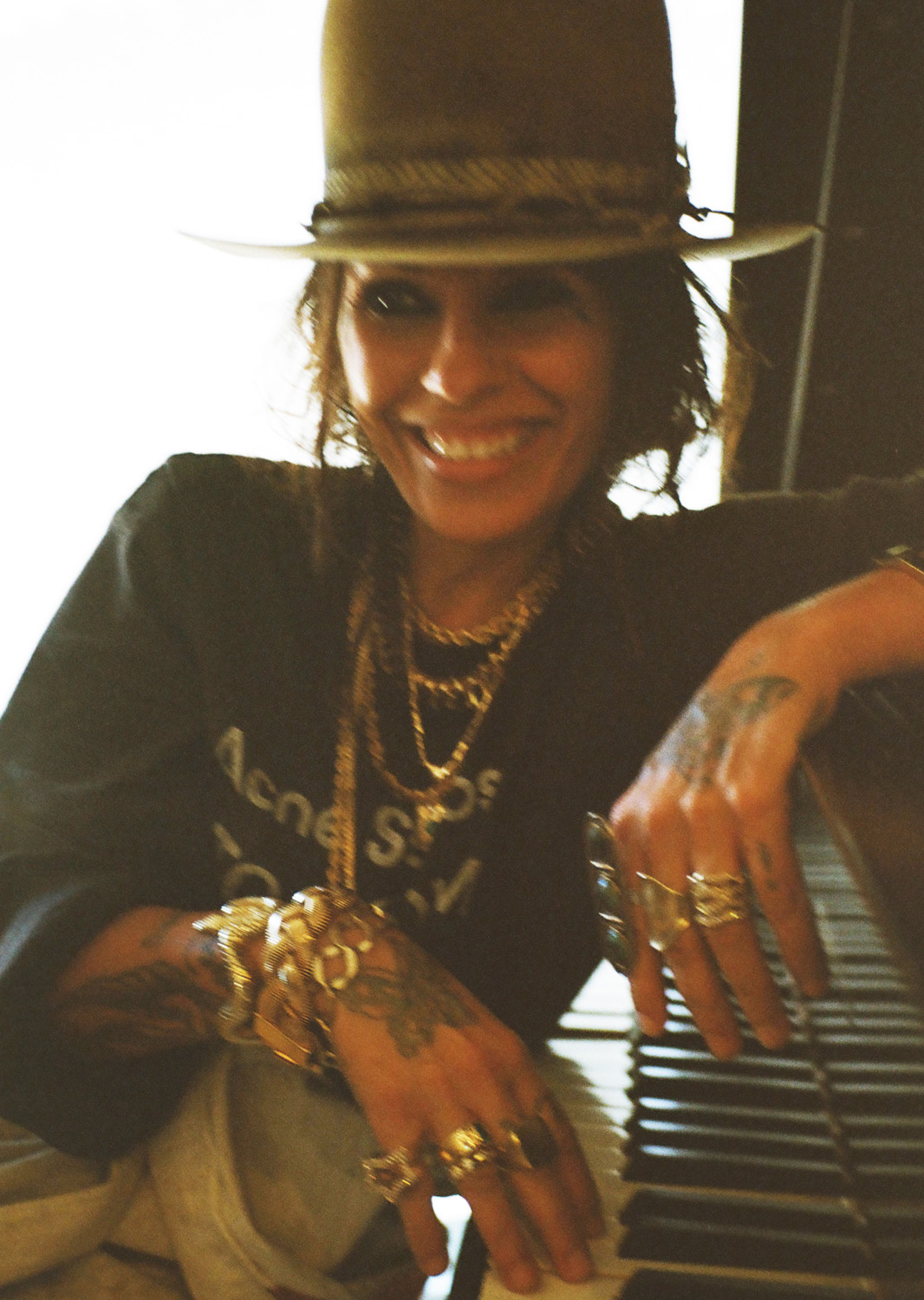
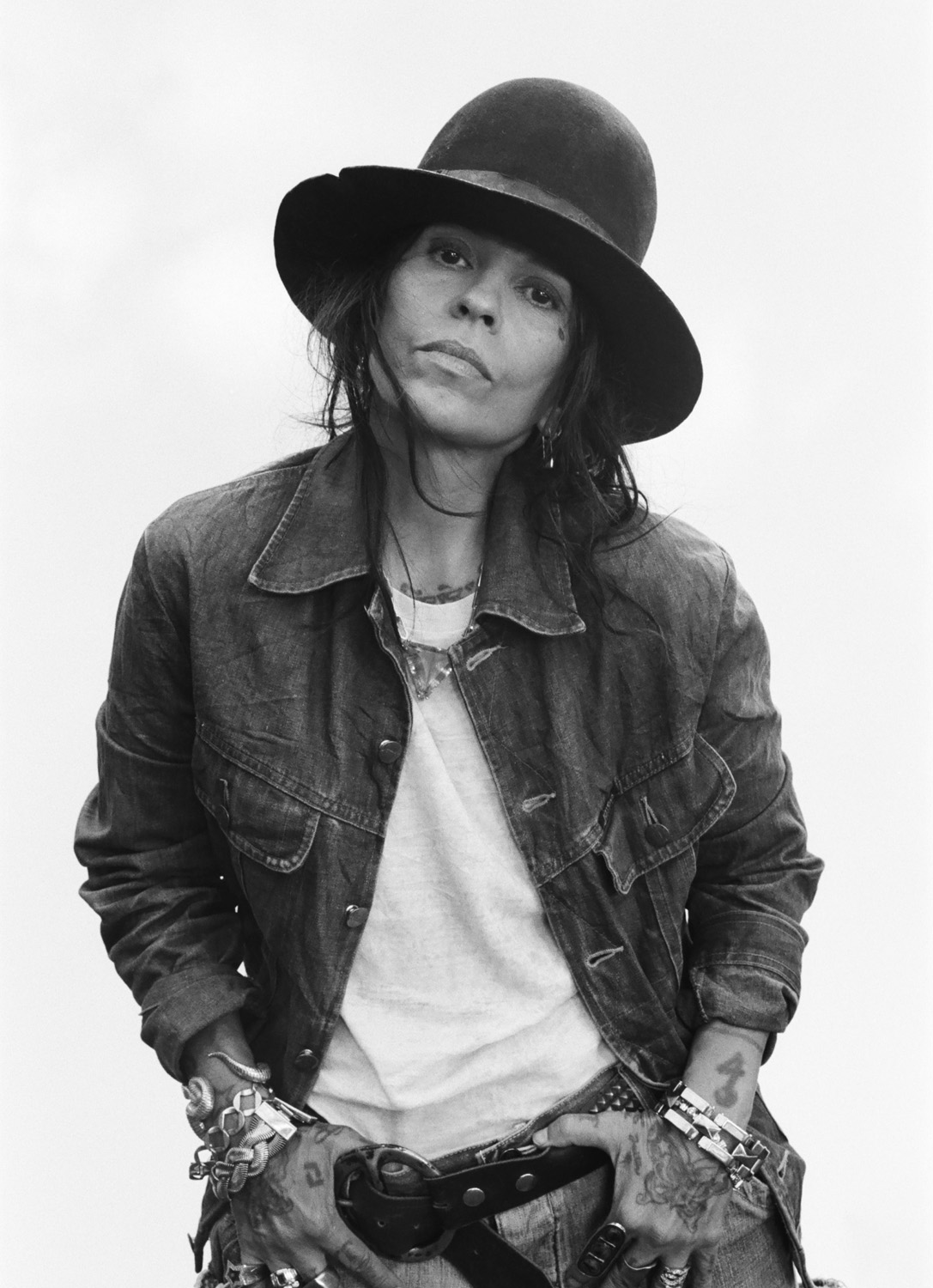
Following her most recent tour dates with The Indigo Girls, Linda will spend the new year on the festival circuit with 4 Non Blondes in anticipation of their newest album. Linda was just 24 years old when 2 Non Blondes’ “What’s Up” took the world by storm, only 4 years younger than Annika is today. Annika’s latest work can be witnessed on Role Model’s latest, Chuck Timely And The Hourglass along with hit single “Stop The Wedding” from Ashe.
Weeks after their conversation, I still find myself inspired by their shared wisdom and heartened at the common ground between Linda and Annika, even at such different places in their careers. What I would do to be a fly on the wall for this writing session between the two…